Enhancing Your Garden Design with the Pineapple sage Plant: A Landscaping Guide
1
Pineapple sage is a adaptable plant that can act as a centerpiece or a supportive element in your garden.
2
Consistent trimming and upkeep are crucial for sustaining the robust development of Pineapple sage.
3
Pineapple sage can draw in pollinators and enhance local biodiversity, positioning it as an environmentally sound option.
Introducing Pineapple Sage to Your Garden
Why choose Pineapple sage for your landscape
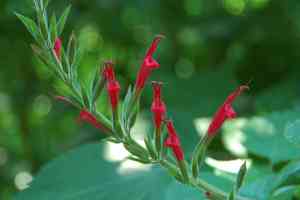
Incorporating Pineapple sage into your garden design offers numerous advantages. This plant is not only visually appealing with its vibrant red tubular blossoms and lush green foliage, but it's also simple to maintain, making it suitable for both beginner and experienced gardeners. Furthermore, the delightful pineapple aroma of its leaves adds a fragrant dimension to your garden, enhancing the sensory experience.
Initial considerations before planting Pineapple sage
Prior to planting Pineapple sage in your garden, it's crucial to assess the local climate and soil conditions. Pineapple sage flourishes in areas with full sun to partial shade and necessitates well-draining soil to prevent root rot. Ensure plants are spaced approximately 18-24 inches apart to allow for adequate air circulation and growth. Amending the soil with compost or organic matter will supply the essential nutrients for optimal development.
Best locations in the garden for Pineapple sage
When planning where to place Pineapple sage in your garden, consider spots that receive ample sunlight. Ideal locations include alongside pathways, at the edges of garden beds, or as part of a mixed perennial border. Pineapple sage can also be grown in containers, which offers flexibility in placement and allows for relocation indoors during colder months to shield it from frost.
Design Ideas with Pineapple Sage
Creating focal points with Pineapple sage
Pineapple sage can serve as a spectacular focal point in your garden. Its vivid red flowers and considerable height can attract attention and provide a striking visual anchor. Planting Pineapple sage in groupings can amplify its impact, making it a stunning centerpiece in any garden landscape.
Complementing other plants with Pineapple sage
To achieve a harmonious garden design, pair Pineapple sage with plants that exhibit contrasting colors and textures. For instance, combining it with purple or blue flowering plants can create an aesthetically pleasing contrast. Other suitable companions might include plants that thrive in similar conditions, such as lavender or ornamental grasses.
Seasonal planning for year-round appeal
Designing your garden with the seasons in mind ensures it remains attractive throughout the year. Pineapple sage typically blooms from late summer to fall, providing late-season color. Combine it with spring and early summer bloomers to maintain continuous visual interest in your garden. Additionally, utilizing evergreens and plants with striking winter bark or berries can complement Pineapple sage during non-blooming periods.
Maintenance Tips for Pineapple Sage in Landscaping
Pruning and care for optimal growth
Pruning is vital for encouraging the healthy development of Pineapple sage. Trim the plant back in early spring to stimulate new growth and to shape it. Removing spent flowers can also extend the blooming period and enhance the plant's appearance. Consistent watering, especially during dry spells, will help maintain its vigor.
Managing pests and disease in Pineapple sage
Pineapple sage is relatively resistant to pests and diseases, but it's not entirely immune. Monitor for common garden pests like aphids or spider mites. Employ natural pest control methods, such as insecticidal soap or introducing beneficial insects like ladybugs, to effectively manage these issues. Ensuring good air circulation and avoiding overhead watering can help prevent fungal diseases.
Seasonal maintenance checklist
To keep Pineapple sage thriving throughout the year, adhere to a seasonal maintenance checklist. In spring, fertilize the soil and prune the plant. During summer, maintain consistent watering and watch for pests. In fall, enjoy the blooms and begin preparing the plant for winter by mulching to protect the roots. Moving container plants indoors or providing frost protection is crucial in colder climates.
Eco-Friendly Benefits of Including Pineapple Sage in Your Landscape
Attracting pollinators with Pineapple sage
Pineapple sage is well-known for drawing in pollinators like bees, butterflies, and hummingbirds. Its bright flowers and abundant nectar serve as a valuable food source, supporting the local pollinator population and fostering biodiversity in your garden.
Contribution to local biodiversity
Incorporating Pineapple sage into your garden can significantly contribute to local biodiversity. Its presence can establish a habitat for various insects and birds, promoting a balanced and healthy ecosystem. Integrating diverse plant species like Pineapple sage enhances the resilience of your garden and supports the broader environment.
Natural pest control perks
Pineapple sage possesses natural pest-repellent qualities, reducing the need for chemical interventions. The pineapple-scented leaves can deter certain pests, offering a more natural and eco-friendly method of pest control. This, in turn, promotes a healthier garden environment for all plants and wildlife.



