How Often Should You Water Your White deadnettle?
1
The optimal time to hydrate your White deadnettle is in the early morning to minimize water loss and inhibit fungal development.
2
Excessive watering can cause root decay; allow the soil's top layer to dry somewhat between irrigation sessions.
3
Hydrate your White deadnettle weekly, modifying the schedule as required by climate and substrate conditions.
Grasping the Hydration Requirements of White deadnettle
The Significance of Adequate Moisture for White deadnettle
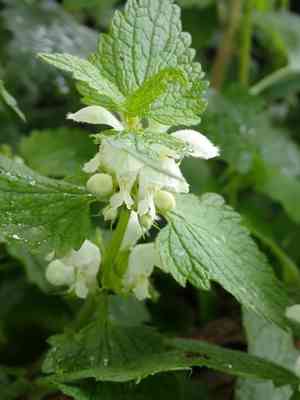
Sufficient moisture is vital for the robust development of your White deadnettle. This charming, resilient perennial showcases lovely clusters of white blooms and flourishes in adequately moist soil. Water is crucial for nutrient transport and photosynthesis, maintaining the plantâs turgor pressure, which keeps it upright and strong. A consistent watering regimen ensures your White deadnettle remains lush and vibrant, making it an appealing addition to your garden.
How Ground Composition Influences Watering Frequency
The kind of soil your White deadnettle is planted in greatly affects how often it needs watering. Sandy soil drains rapidly and might necessitate more frequent irrigation compared to clay soil, which holds moisture longer. Ideally, White deadnettle should be cultivated in well-draining, loamy soil rich in organic matter. For optimal hydration, inspect the top 2-3 inches (5-7.5 cm) of soil before watering; if it feels arid, it's time to irrigate your plant.
Optimal Irrigation Methods for White deadnettle
Best Time of Day to Hydrate White deadnettle
Watering your White deadnettle at the correct time of day can significantly impact plant health. Early morning is the prime time to water, as it allows the plant to absorb moisture before the day's heat. Early irrigation lessens the risk of fungal diseases that can develop from water remaining on the leaves overnight. This practice also ensures the plant can maintain its physiological processes throughout the day, keeping it healthy and vigorous.
Proper Water Distribution for Root Vitality
Ensuring water reaches the root zone is crucial for your White deadnettle's health. Deep watering encourages roots to penetrate deeper into the soil, making the plant more resistant to drought. Water uniformly around the plant's base and avoid overhead watering to prevent foliage diseases. Using drip irrigation or a soaker hose can help deliver water directly to the roots, reducing water waste and promoting efficient absorption.
Recognizing Indicators of Excessive and Insufficient Watering
Signs Your White deadnettle is Receiving Too Much Water
Overwatering can harm your White deadnettle, leading to waterlogged soil and root decay. Symptoms of overwatering include yellowing foliage, soft stems, and a general decline in plant vitality. If you observe these signs, reduce watering frequency and ensure proper drainage. In severe cases, you might need to repot the plant in fresh, well-draining soil to prevent further damage.
Signs Your White deadnettle Requires More Water
Underwatering presents its own set of problems for White deadnettle. Indicators of insufficient hydration include wilting, dry and brittle leaf edges, and stunted development. If you notice these signs, increase the watering frequency. Remember to regularly check soil moisture and adjust your watering schedule accordingly to maintain healthy hydration levels.
Seasonal Adjustments in White deadnettle Watering
Watering During the Active Growth Period
During the active growth season, typically spring through early autumn, your White deadnettle will need more frequent watering. Higher temperatures and increased sunlight will cause the soil to dry out more quickly. Establish a consistent schedule, such as watering weekly, but adjust based on weather conditions and soil moisture levels to ensure your plant receives adequate hydration.
Winter Irrigation Advice for White deadnettle
In winter, White deadnettle enters a dormant phase and requires less frequent watering. Cooler temperatures and reduced sunlight mean the soil retains moisture longer. During this season, water only when the top layer of soil feels completely dry to the touch, typically every two to three weeks. Be careful not to overwater as the plant's reduced metabolic activity means it needs less water to sustain itself.



