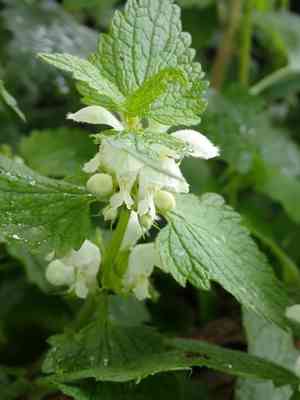
White deadnettle (Lamium album)
Also known as: Honey flower, White nettle
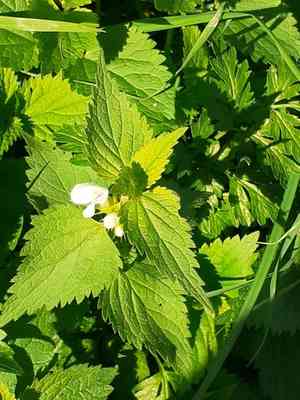
White Dead-Nettle (Lamium album) looks similar to the stinging nettle but lacks the sting. The young leaves are edible and can be used in various dishes. In the spring, it blooms with small white flowers that attract bumblebees and other pollinators.
In This Article
Attributes of White deadnettle
Lifespan
Perennial
Plant Type
Herb
Plant Height
50 cm to 1 m
Spread
40 cm
Leaf Color
Green
Flower Size
2 mm to 2.5 mm
Flower Color
White
Images of White deadnettle
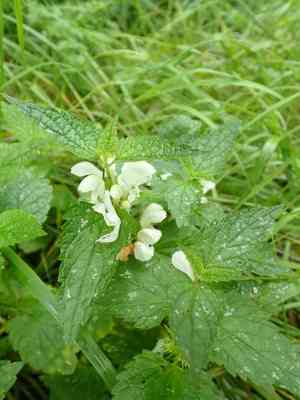
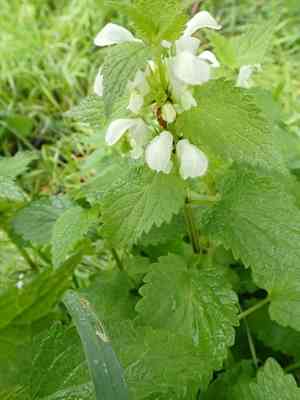
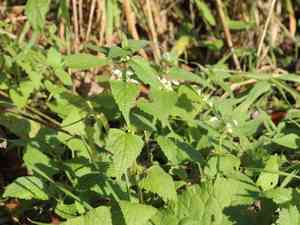
Quickly Identify White deadnettle
1
Look for heart-shaped leaves that resemble stinging nettle but without the stinging hairs. The plant produces small, white, tubular flowers in clusters.
Scientific Classification of White deadnettle
Phylum
Vascular plants
Class
Dicotyledons
Order
Lamiales
Family
Mint
Genus
Dead-nettles
Species
White deadnettle
Planting and Growing of White deadnettle
Care Difficulty
Easy
Watering Schedule
Every 4 days
Sunlight Requirements
Partial sun
Sunshine Duration
6-10 hours
Ideal Temperature
60-75℉
Soil Type
Potting Mix, Peat Mix
Soil pH
6.5-7.5
Fertilizer Type
Balanced
Pruning Season
Spring, Summer
Pruning Area
Branches, Leaves
Pruning Frequency
2 times a year
Repotting Season
Spring
Pot Type
Plastic, Ceramic
 How to Water White deadnettle?
Lamium album, also known as White Dead-nettle, prefers soil that remains slightly moist but not soggy. Watering should allow the soil to dry on the surface between sessions while ensuring deeper layers remain hydrated. Aim to reach the roots without drowning them, about 250ml per watering is typically sufficient.
More About Watering Techniques→
What are the symptoms of an underwatered White deadnettle?
›
What should I do if my White deadnettle is not getting enough water?
›
What are the symptoms of an overwatered White deadnettle?
›
How to save an overwatered White deadnettle?
›
 What Are the Sunlight Requirements for White deadnettle?
Lamium album thrives best with partial sun exposure, ideally morning light and afternoon shade. This balance fosters optimal photosynthetic activity, ensuring a robust and floriferous plant.
More About Sunlight Requirements Techniques→
Where should I place Lamium album?
›
How can I ensure it receives ideal lighting?
›
What benefits will it gain from ideal lighting?
›
 What Is the Ideal Temperature Range for White deadnettle?
The ideal temperature range for growing Lamium album is between 60°F and 75°F. This range encourages optimal growth and flowering by providing a consistent warm environment without excessive heat. Within this temperature window, the plant is able to perform photosynthesis efficiently, resulting in healthy foliage and robust development.
 What Soil is Best for White deadnettle?
Lamium album thrives in well-drained soil, which prevents waterlogging that could lead to root rot. Ensuring good drainage enhances root aeration and nutrient uptake, promoting healthier growth. This plant benefits from soil that retains some moisture without becoming soggy. A balance in moisture ensures Lamium album remains hydrated, which is vital for its photosynthesis and growth processes. Soil rich in organic matter provides essential nutrients that support Lamium album's vibrant foliage and flowering. Regular incorporation of compost can maintain this nutrient-rich environment.
More About Soil→
 How to Fertilize White deadnettle?
For Lamium album, the fertilizer should be applied sparingly, as the plant thrives in relatively nutrient-poor soils. Use a balanced fertilizer diluted to half strength with water. For liquid fertilizers, apply approximately 100 ml per plant per application to avoid over-fertilization.
More About Fertilizing Techniques→
 How to Prune White deadnettle?
Begin by removing any old or dead stems. These can be identified by their brownish color and lack of foliage. Cutting these back to the base will help the plant direct its energy towards new growth, promoting a healthier, bushier appearance. Once dead stems are removed, focus on shaping the plant. Trim back overgrown or unruly stems to maintain a compact and aesthetically pleasing form. Cut back the plant just above a leaf node to encourage branching. To encourage more blooms, regularly deadhead spent flowers. This means cutting off the flower stem just below the flower head. This process not only keeps the plant looking tidy but also stimulates further flowering, giving your garden prolonged color.
More About Pruning Techniques→
 How to Propagate White deadnettle plant?
1
Ensure the soil is loose and well-drained, rich in organic matter. This conditions the environment for successful root development, which is crucial during the early stages of plant growth.
2
Sow the seeds thinly on the surface of the soil. Doing so ensures even distribution and allows each seed enough space to germinate without competition for resources.
3
Select a healthy, non-flowering shoot and cut a segment about 7-10 cm long. Removing the lower leaves helps reduce moisture loss and encourages root growth at the cut ends.
 How to Repot White deadnettle plant?
1
Repot your Lamium album when you notice signs such as roots emerging from the drainage holes or the soil drying out rapidly after watering. These indicate the roots have outgrown their pot, and it's time for a new home.
2
Opt for a pot that is just one size larger than the current one. Look for good drainage holes to prevent waterlogging, which can lead to root rot. A slightly larger pot will give the roots more room to grow while preventing excessive moisture accumulation.
3
Select a loamy, well-draining soil mix enriched with organic matter. This type of soil retains necessary moisture but drains excess water, supporting healthy root development and preventing rot.
Learn More About White deadnettle Diseases
Anthracnose
Bacterial Leaf Spot
Bacterial Soft Rot
Bacterial Wilt
Chemical Injury
Damping-off
Downy Mildew
Drought Stress
Fusarium Wilt
Gray Mold
Leaf Curl
Leaf Spot
Mosaic
Nutrient Deficiency
Nutrient Toxicity
Powdery Mildew
Root Rot
Root-knot Nematode
Rusts
Sooty Mold
Spider Mites
Temperature Stress
Thrips Damage
White Mold



