Optimal Fertilizer for Growing White deadnettle: What You Need to Know
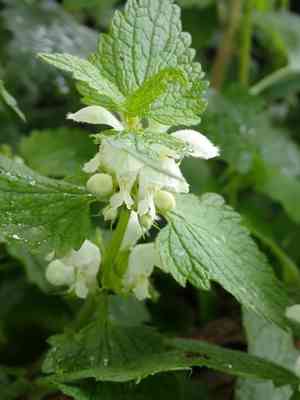
1
White deadnettle flourishes optimally with fertilization in early spring.
2
A 10-10-10 NPK balance is suitable for White deadnettle.
3
Excessive fertilization may cause scorched leaves and diminished plant vitality.
Understanding White deadnettle's Nutritional Requirements
What Makes White deadnettle Unique in Its Nutritional Requirements?
The White deadnettle is a robust perennial thriving in diverse settings, from forests to gardens. Its specific nutrient needs are adapted to its natural habitat, making it less demanding than many exotic species. While it can survive in poor soil, providing appropriate nutrients can greatly boost its health and spread, especially when used for ground cover or medicinal purposes. This plant's inherent adaptability means a balanced fertilization approach is best, avoiding excess.
Key Nutrients and Their Roles in Enhancing White deadnettle Health
For optimal development, White deadnettle benefits from essential nutrients: nitrogen (N), phosphorus (P), and potassium (K). Nitrogen promotes vigorous leaf growth, keeping your plant lush and green. Phosphorus aids root development and flower production, resulting in a flourishing and attractive plant. Potassium is vital for overall plant well-being, improving disease resistance and resilience to various environmental conditions.
Choosing the Right Fertilizer for White deadnettle
Organic vs. Synthetic: Choosing the Best Option
The choice between organic and synthetic fertilizers often depends on personal preference and specific plant demands. Organic options, such as compost or aged manure, release nutrients slowly, enhancing soil structure over time. They are eco-friendly and tend to minimize the risk of over-fertilization. Conversely, synthetic fertilizers offer an immediate nutrient boost, which can be useful for rapid growth spurts. For White deadnettle, a combination of both can provide a balanced nutrient supply.
Understanding NPK Ratio for White deadnettle
The NPK ratio indicates the percentage of nitrogen, phosphorus, and potassium in a fertilizer mix. For White deadnettle, a balanced ratio like 10-10-10 (10% nitrogen, 10% phosphorus, 10% potassium) is generally ideal. This balanced approach ensures your plant receives a comprehensive nutrient supply, fostering healthy growth and resilience. Gradual feeding with this ratio helps the plant develop strong foliage, robust roots, and vibrant blooms.
How Often to Fertilize White deadnettle
Seasonal Fertilization Schedules for Optimal Growth
Fertilizing White deadnettle should coincide with its natural growth cycles for best outcomes. The ideal time to fertilize is in the spring, around early to mid-April. This timing supports new growth as the plant emerges from winter dormancy. Depending on soil quality and plant vigor, a mid-summer application might also be beneficial, though always watch for signs of nutrient excess.
Indicator Signs that Your White deadnettle Needs Fertilization
Your White deadnettle will display several signs when it requires fertilization. Yellowing leaves, stunted development, reduced blooming, and a generally poor appearance may signal nutrient deficiencies. Conversely, vibrant leaves with no yellowing and consistent flowering patterns suggest the plant is receiving adequate nutrients. Regular observation is crucial for determining the correct feeding frequency.
Applying Fertilizer to White deadnettle
Step-by-Step Guide to Fertilizing White deadnettle
Ensuring proper fertilization involves a few simple steps: 1. Clear away debris and weeds from around the plant's base. 2. For liquid fertilizers, dilute according to instructions and water the soil evenly. 3. For granular fertilizers, sprinkle them around the base and gently work into the soil. 4. Water the plant thoroughly to help nutrients reach the root zone. Repeat as needed, guided by the plant's condition and annual growth cycles.
Common Mistakes to Avoid in Fertilization
Over-fertilization is a frequent error, leading to leaf burn and a weakened plant. Always follow recommended dosage instructions. Applying fertilizer too close to the plant stem can cause nutrient burn and root damage. Avoid fertilizing late in the season, as this can stimulate new growth vulnerable to winter damage. Consistently monitor your plant’s reaction to adjustments in its fertilization routine.
Monitoring Results and Adjusting Care for White deadnettle
Tracking Growth and Health Post-Fertilization
After fertilizing, closely observe your White deadnettle. Track changes in leaf color, size, and plant vitality. A healthy plant should show significant improvement in growth and flowering within a few weeks. Record these observations in a gardening journal to effectively customize future fertilization schedules.
When and How to Modify Your Fertilizing Techniques
Based on your observations, you may need to adjust your fertilizing methods. If the plant shows signs of excess nutrients, such as leaf burn, reduce or dilute the fertilizer. If growth remains stunted, consider a mid-season application or a different nutrient blend. Always use these adjustments to fine-tune your approach, aiming for the healthiest growth patterns.



