How to Prune White deadnettle?
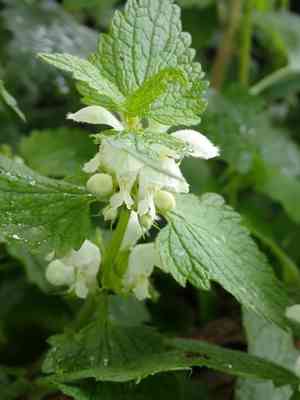
Recognized for its cap-shaped white blossoms and resemblance to stinging nettle, white deadnettle is a persistent herbaceous plant that thrives with trimming to foster compact development and control its expansion. Essential pruning methods involve removing faded blooms to stimulate additional flowering and reducing any excessive growth or unwanted spread within the garden. The most effective pruning should occur post-flowering in late spring or summer to preserve a neat look. Pruning not only manages white deadnettle but can also encourage fresh growth for a vigorous presentation in the subsequent season.
What Are the Benefits of Pruning White Deadnettle?
What Are the Benefits of Pruning White Deadnettle?
Trimming white deadnettle promotes more robust development, leading to fuller, denser foliage. It also assists in maintaining its desired form and shape, ensuring white deadnettle remains an attractive garden element.
What Is the Best Time for Pruning White Deadnettle?
What Is the Best Time for Pruning White Deadnettle?
The optimal time for pruning white deadnettle is during Spring or early Summer. These periods are ideal as they coincide with the plant's active growth phase, allowing white deadnettle to recover quickly from the trimming process. Pruning in Spring, as new growth emerges, fosters a healthier plant by eliminating old or dead parts and encouraging fresh, strong shoots. Pruning in early Summer, immediately after white deadnettle has bloomed, enables the plant to direct energy towards new growth and potentially a second flowering, rather than supporting spent flowers and seeds. These timings ensure white deadnettle maintains its vigor and exhibits a strong bloom during its flowering season, without negatively impacting the following year's growth.
What Tools Do I Need to Prune White Deadnettle?
Hand Pruners or Secateurs
These are suitable for making precise cuts on white deadnettle's relatively soft stems, allowing for maintaining plant shape and removing dead or diseased foliage.
Garden Shears
Ideal for shaping white deadnettle when cutting back larger sections or for giving the plant a more formal appearance, as they provide a straight, even cut across the growth.
Pruning Saw
Not typically required for white deadnettle due to its non-woody stem structure, making simpler hand tools sufficient for maintenance pruning.
Long-Handled Pruners
Useful if white deadnettle has grown extensively and gardeners need to reach into dense patches without damaging surrounding plants or themselves.
Gloves
While not a cutting tool, wearing gloves is essential to protect the hands from potential skin irritants on white deadnettle's stems and leaves.
How to Prune White Deadnettle
Disinfect Tools
Before starting, ensure that all pruning tools are clean and disinfected to prevent the spread of disease to white deadnettle or other plants.
Remove Diseased Leaves
Carefully inspect white deadnettle for any diseased leaves. Use sharp pruning shears to cut away the affected leaves at their base, making sure not to damage nearby healthy tissue.
Trim Withered Leaves
Identify withered or yellowed leaves on white deadnettle. Trim these leaves back to their base with clean shears to maintain the plant's vitality and appearance.
Cut Diseased Stems
Examine white deadnettle for any diseased stems. Make a clean cut well below the diseased area to remove the entire affected stem. Be judicious to avoid over-pruning which might stress white deadnettle.
Clean Up
After pruning, remove all cuttings from the area around white deadnettle to prevent the spread of disease and encourage healthy growth.
Common Pruning Mistakes with White Deadnettle
Overpruning
Removing too much foliage can stress white deadnettle and impede its ability to bloom. It's important not to cut more than one-third of the plant's overall volume during a pruning session.
Improper Cuts
Making cuts too far from the node can result in unsightly stubs and increase the risk of disease for white deadnettle. Cuts should be made just above leaf nodes to encourage healthy regrowth.
Pruning Healthy Growth
Occasionally, gardeners might mistake new, healthy growth for old or unwanted foliage and remove it. This can delay the flowering and growth of white deadnettle.
Ignoring Dead Or Diseased Stems
Failing to remove dead or diseased stems can hinder the plantâs vigor and open white deadnettle to infections and infestations.
Using Dull Tools
Using dull pruning shears can cause jagged cuts that make white deadnettle susceptible to pests and diseases. It is crucial to use sharp tools for clean cuts.
Shaping Without Understanding Growth Patterns
Attempting to shape white deadnettle without understanding its natural growth habit can result in a less than desirable appearance and harm the plant's health.
Common Pruning Tips for White Deadnettle
Selective Thinning
Thin out white deadnettle by selectively removing older, inner stems to increase air circulation and light penetration, which promotes healthy and vigorous growth.
Deadheading
Regularly removing spent flowers encourages white deadnettle to produce new blooms, extending the flowering period.
Prune For Pest Control
Regular inspection and pruning of affected foliage can help in controlling pest infestations in white deadnettle, keeping the plant healthy.
Clean Cuts
Make sure to make clean cuts at an angle, just above a leaf node or a branching point which will stimulate white deadnettle to produce new growth.
Sanitation
After pruning, sanitize your tools to prevent the spread of disease among garden plants, maintaining the health of white deadnettle.
Rejuvenation Pruning
Occasionally, more extensive pruning may be needed to rejuvenate older plants of white deadnettle. This involves cutting back a considerable portion of the plant, but not more than one-third, to encourage new, vigorous growth.



