How to Overwinter White deadnettle
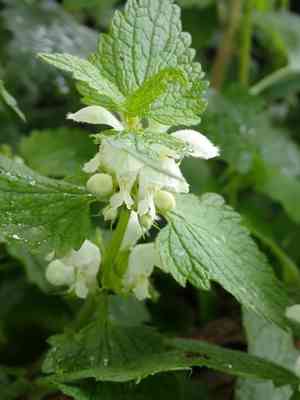
1
White deadnettle tolerates cold well and endures low temperatures.
2
Trimming and applying mulch are crucial for readying White deadnettle for winter.
3
Employing frost covers can aid in safeguarding White deadnettle during harsh freezes.
Understanding White deadnettle Frost Resistance
Understanding White deadnettle Frost Resistance
The White deadnettle (Lamium album) is a resilient perennial that thrives in diverse climates, making it an excellent choice for gardeners. It is particularly recognized for its frost tolerance, enabling it to endure cold winters. With its robust nature, White deadnettle can withstand temperatures significantly below freezing, proving reliable even in harsh winter conditions. However, comprehending its frost resistance is vital for ensuring its continued prosperity year after year.
Preparing White deadnettle for Winter
Pruning White deadnettle Before Winter
Pruning is a crucial step in readying your White deadnettle for winter. As colder months approach, trim back any spent blooms and foliage to encourage vigorous growth in spring. Aim to prune in late autumn, prior to the first significant frost. This helps lessen the plant's susceptibility to diseases and pests that can flourish in decaying plant matter over winter.
Soil and Mulching Tips
Proper soil preparation and mulching can greatly influence your White deadnettle's winter survival. Ensure the soil drains well to prevent waterlogging, which can lead to root rot in freezing temperatures. Apply a thick layer of mulch, approximately 5-7 centimeters (2-3 inches), around the plant's base. This insulates the roots and helps maintain a consistent soil temperature. Mulch can be composed of organic materials like straw, wood chips, or compost.
Protecting White deadnettle from Severe Frosts
Using Frost Cloths and Coverings
Even though White deadnettle is frost-hardy, extreme frosts can cause damage. To provide additional protection, use frost cloths or garden blankets to cover the plants during especially cold nights. These coverings can be draped directly over the plants, ensuring they are secured at the edges to prevent cold air from entering. Frost cloths are breathable, guaranteeing your plants receive airflow while remaining shielded from harsh frost.
Monitoring Weather Conditions
One of the most effective ways to safeguard your White deadnettle is by staying informed about upcoming weather conditions. Consistently check local weather forecasts, particularly during winter. If a severe frost or sudden temperature drop is predicted, take preventative measures such as covering the plants or relocating potted plants to a sheltered spot. Timely action can significantly impact the plant's winter survival.



