How Much Sunlight Do White deadnettle Need?
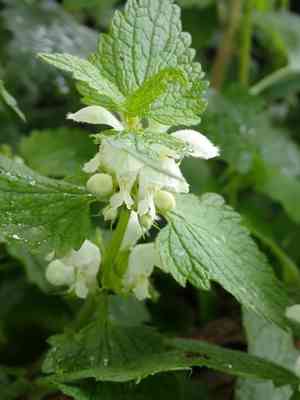
1
White deadnettle flourishes in partial sunlight, receiving approximately 3-6 hours of sun each day.
2
This adaptable plant also endures both complete sun and full shade environments.
3
Observing the plant's state will indicate whether it's receiving an excessive or insufficient amount of light.
Optimal Light Conditions for White deadnettle
Does White deadnettle Prefer Full Sun or Partial Shade?
When selecting between full sun and partial shade, White deadnettle distinctly favors partial shade. This robust plant can thrive in various light conditions, including both full sun and complete shade. However, for peak growth and vitality, partial shade is ideal. Partial shade typically means White deadnettle should receive diffused light for several hours or be situated in an area with intermittent sunlight throughout the day.
Ideal Daily Sunlight Duration
White deadnettle generally flourishes with approximately 3-6 hours of daily sunlight. This duration is ample to fuel its photosynthesis, promoting lush, vibrant development without risking leaf burn or dehydration. Position it where it receives morning sun and afternoon shade for best outcomes.
Seasonal Light Variations and Their Impact
The amount of available sunlight changes with the seasons, which can influence White deadnettle. During spring and summer, when the sun is stronger and days are longer, ensure your plant is shielded from excessive direct sunlight to prevent leaf scorching. In autumn and winter, as daylight diminishes, you might need to move the plant to a brighter spot or consider supplemental artificial lighting to compensate for reduced natural light.
Indicators of Excessive or Insufficient Sunlight for White deadnettle
Recognizing Sunburn in White deadnettle
Sunburn in White deadnettle appears as browning or yellowing of foliage, beginning at the edges. These leaves may become brittle and dry to the touch. If these symptoms are observed, it's essential to act by relocating the plant to a more shaded area or providing protection from intense sunlight.
Signs of Inadequate Sunlight Exposure
Conversely, insufficient sunlight exposure can also be harmful. Symptoms of light deficiency in White deadnettle include elongated stems (as the plant stretches toward light), dull or pale leaves, and stunted development. If these signs emerge, consider moving the plant to a brighter location or supplementing with artificial illumination.
Strategies for Adjusting Sunlight Exposure for White deadnettle
Modifying Placement for Ideal Light
One of the simplest methods to ensure your White deadnettle receives adequate sunlight is to alter its position. For instance, if indoors, try placing it near a south or west-facing window for ample light. Outdoors, consider planting it in a location that gets morning sun and afternoon shade.
Utilizing Shade Cloths and Artificial Lighting
To protect White deadnettle from intense sun, you can employ shade cloths that filter direct sunlight, providing sufficient light without harmful intensity. In areas with limited natural light, especially during colder months, using artificial grow lights can help maintain plant health. Position these lights about 30 cm (12 inches) above the plant and operate them for approximately 12 hours daily.
Common Errors in Managing Sunlight for White deadnettle
Overexposure to Direct Sunlight
A frequent error gardeners make is exposing White deadnettle to excessive direct sunlight. While this plant is adaptable, too much exposure can lead to sunburn and other damage. Always observe your plant for signs of overexposure, such as scorched leaves, and take prompt corrective action.
Underestimating Light Requirements
Another common misunderstanding is underestimating White deadnettle's light needs. While it tolerates lower light conditions, insufficient light can hinder its growth and vigor. Ensure a balanced light environment, adjusting as necessary to preserve its health.



