Optimal Soil for Growing White deadnettle: What You Need to Know
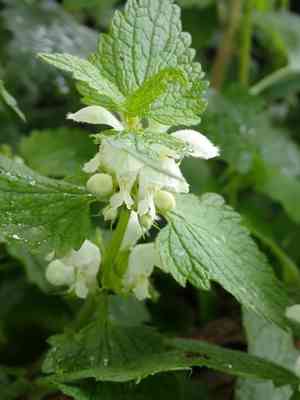
1
White deadnettle flourishes in ground with a pH between 6.5 and 8, favoring somewhat alkaline environments.
2
Dense soil can impede White deadnettle development, making regular soil aeration crucial.
3
Incorporating organic materials such as compost can greatly enhance soil fertility for robust White deadnettle growth.
What Soil Type is Best for White Deadnettle?
Soil Makeup and Structure
For planting White deadnettle, the correct soil composition and structure are essential. This resilient perennial prefers well-drained, loamy soil, which is a blend of sand, silt, and clay. The key is balance; sandy soil ensures good drainage, clay aids in nutrient retention, and silt holds moisture while remaining aerated. Properly structured soil allows roots to spread easily, enabling efficient water and nutrient uptake.
Significance of Soil Classification
Understanding soil classification is vital for successful White deadnettle cultivation. Soil types are categorized by particle size and texture: sandy, clayey, silty, loamy, and peaty. Loamy soil is ideal for White deadnettle due to its balanced makeup. Loamy soil is fertile, drains well, and retains moisture, creating the perfect environment for White deadnettle's root systems. If your garden's soil isn't loamy, you can improve it by adding organic materials like compost or aged manure to enhance its structure and fertility.
How to Prepare Soil for White Deadnettle?
Soil Analysis and Modifications
Before planting White deadnettle, soil testing is crucial to assess its current state. A simple soil test kit can reveal pH, nutrient levels, and soil composition. With the results, you can make necessary adjustments. For instance, if your soil is too sandy and drains quickly, adding organic matter can boost moisture retention. Conversely, if the soil is heavy clay, incorporating sand and compost can improve drainage and aeration. These changes create an optimal environment for White deadnettle to flourish.
Adjusting pH Levels
The ideal pH range for White deadnettle is between 6.5 and 8. Slightly alkaline conditions are preferred. You can modify soil pH by adding lime to increase alkalinity or sulfur to decrease it. Perform a soil pH test before making any adjustments. Once the pH is determined, apply amendments according to manufacturer instructions and retest the soil after a few weeks to confirm it has reached the desired pH level.
Common Soil Problems for White Deadnettle and Solutions
Compact Soil
Compact soil can impede White deadnettle growth by restricting root penetration and hindering water and nutrient absorption. To remedy compacted soil, regularly aerate the garden bed during the growing season. This involves loosening the soil with a garden fork or aerator tool, promoting better air circulation and water infiltration. Incorporating organic matter like compost can also enhance soil structure, making it less prone to compaction.
Poor Drainage
White deadnettle does not thrive in waterlogged soil. Inadequate drainage can lead to root rot and other fungal diseases. To improve drainage, consider raised beds or adding sand and organic matter to the soil. These amendments enhance soil structure and create an environment where water can move freely without causing saturation.
Nutrient Deficiencies
Like all plants, White deadnettle needs essential nutrients such as nitrogen, phosphorus, and potassium. Nutrient deficiencies appear as pale leaves, stunted growth, and poor flowering. Regularly incorporating organic fertilizers like compost or well-rotted manure can prevent these issues. Additionally, periodic soil testing can help identify nutrient deficiencies early, allowing for timely interventions.
Tips for Maintaining Optimal Soil Conditions for White Deadnettle
Regular Soil Testing
Routine soil testing is vital for maintaining ideal soil conditions for White deadnettle. A soil test every 1-2 years helps monitor pH levels and nutrient availability, ensuring your soil remains conducive to healthy plant growth. These tests provide a snapshot of your soil's health, enabling informed decisions about necessary amendments.
Proper Mulching Techniques
Mulching offers several benefits for White deadnettle. A layer of organic mulch around the plant bases helps retain soil moisture, regulate temperature, and suppress weed growth. Use materials like straw, wood chips, or shredded leaves. Spread a 5-7 cm (2-3 inch) layer around the plants, ensuring it doesn't directly touch the stems to prevent rot.
Organic Amendments
Organic amendments are excellent for improving soil health. Incorporate materials like compost, leaf mold, or well-rotted manure into the soil. These not only enhance soil structure but also provide slow-release nutrients that benefit White deadnettle. Organic matter increases microbial activity and promotes a healthy soil ecosystem, providing a sustained nutrient supply for your plants.



