Enhancing Your Garden Design with the White deadnettle Plant: A Landscaping Guide
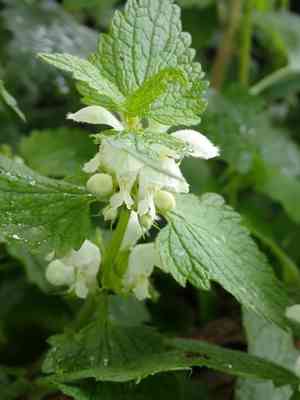
1
White deadnettle flourishes in full sun or partial shade, offering flexibility for diverse garden locations.
2
Its pale blossoms can introduce a vibrant highlight and distinction to your outdoor space.
3
White deadnettle needs little care after it's rooted, ideal for gardeners with limited time.
Grasping the Fundamentals of White deadnettle in Garden Design
Why is White deadnettle an Excellent Choice for Your Landscape?
Before delving into aesthetic considerations, it's crucial to understand the appeal of White deadnettle for your garden. This plant is celebrated for its delicate white blooms that can brighten any space. Its foliage remains vibrant green, offering a consistent backdrop for other flora. Furthermore, it requires minimal upkeep and thrives in both sunny and partially shaded spots, making it highly adaptable.
Initial Considerations Before Introducing White deadnettle
Prior to incorporating White deadnettle into your garden, assess your soil conditions and the amount of sunlight your area receives. White deadnettle prefers well-drained soil and can tolerate various pH levels. It's also wise to contemplate the overall layout and how White deadnettle will integrate with your current garden scheme. Are there areas needing a splash of white or underutilized shaded spots? Forethought can save time and enhance your garden's visual appeal.
Design Principles for Incorporating White deadnettle into Your Outdoor Space
Selecting the Optimal Location for White deadnettle
The placement of White deadnettle significantly impacts its growth and your garden's overall appearance. Choose a site with partial shade to full sun. Given its adaptability to different light conditions, you have flexibility. However, ensure the soil drains well to prevent waterlogging. Consider planting White deadnettle along garden edges, in mixed perennial beds, or even in containers for added versatility.
Companion Plants for White deadnettle
When selecting plants to accompany White deadnettle, opt for those that will accentuate its white flowers and green leaves. Perennials such as hostas, ferns, and astilbes can complement its texture, creating a visually pleasing arrangement. The key is to choose plants that flourish in similar conditions to ensure harmonious growth and maintenance.
Achieving Color and Textural Contrast with White deadnettle
A key advantage of White deadnettle in landscaping is its capacity to provide color and textural contrast. Pair it with darker-leaved plants like heucheras or purple ornamental grasses to make the white blooms pop. For added texture, integrate White deadnettle with plants featuring larger or distinctively shaped leaves. This adds depth to your garden design, making it more dynamic and visually engaging.
Practical Advice for Planting and Caring for White deadnettle
Ideal Season for Planting White deadnettle
The optimal time to plant White deadnettle is during spring or autumn when the soil is moist and temperatures are moderate. Avoid planting during the intense heat of summer or the cold of winter, as these conditions can stress the plant. Planting in cooler seasons allows White deadnettle to develop a robust root system before encountering harsh weather.
Maintenance Guidelines for White deadnettle
Once established, White deadnettle requires minimal attention, making it perfect for busy gardeners. Water it consistently during its first growing season to aid establishment. Once mature, it can withstand periods of drought. Pruning after the blooming season can help maintain its form and encourage more flowers the following year. Pest and disease issues are uncommon, but always inspect your plants to detect any problems early.
Utilizing White deadnettle for Specific Landscape Themes
Integrating White deadnettle into a Cottage-Style Garden
White deadnettle fits perfectly within a cottage-style garden, known for its informal, charming plant arrangements. Its delicate white flowers and lush green foliage complement the free-flowing design typical of cottage gardens. Combine it with self-seeding annuals and other perennials for a natural, effortless aesthetic.
Employing White deadnettle in Contemporary Landscape Designs
Modern landscape designs often emphasize clean lines and minimalist plant selections. White deadnettle can be used strategically in such settings to introduce a touch of softness and contrast. Plant it in geometric beds or along sleek pathways to break the uniformity of hardscaping elements like stone and concrete, adding a hint of nature's intricacy.
Common Issues and Solutions When Landscaping with White deadnettle
Addressing Overgrowth and Spread of White deadnettle
White deadnettle can spread rapidly under favorable conditions, potentially becoming invasive. To manage its growth, regularly trim the plants and remove any runners that extend beyond your designated garden area. Using garden borders can also help contain its spread, keeping your garden looking tidy and planned.
Managing Pests and Diseases in White deadnettle
While White deadnettle is generally resistant to pests and diseases, occasional problems may arise. Aphids and spider mites can sometimes be an issue. Regular inspection of your plants can help detect these pests early. For minor infestations, a strong spray of water can dislodge pests. For more severe cases, consider using organic insecticidal soap. Always ensure good air circulation around the plants to prevent fungal diseases.



