How to Transplant French tamarisk?
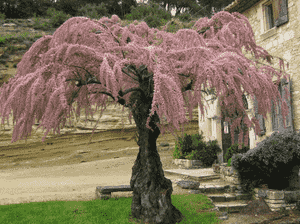
For French tamarisk, transplanting during late spring and early summer guarantees effective root establishment, since moderate temperatures stimulate development. Select a bright location featuring soil that drains efficiently. Careful handling of the root system during the relocation process is advised to promote successful integration.
What Preparations are Needed Before Transplanting French Tamarisk?
What is the Ideal Time for Transplanting French Tamarisk?
The perfect time for relocating french tamarisk extends from early spring through mid-summer. This period aligns with the plant's natural growth cycle, fostering robust root development in warm soil and extended daylight. Moving french tamarisk during this window promotes vigorous growth and adaptation, utilizing the season's prime conditions for a thriving start. By transplanting at this opportune moment, gardeners provide french tamarisk with ideal temperatures and the gentle touch of the season, ensuring a strong and lively display.
How Much Space Should You Leave Between French Tamarisk Plants?
When getting ready to plant your french tamarisk, remember to allow ample room for growth! Aim for a separation of approximately 6-8 ft (1.8-2.4 m) between them. This will enable your french tamarisk to reach their full potential without becoming crowded.
What is the Best Soil Mix for French Tamarisk Transplanting?
For your french tamarisk, well-draining soil is essential for optimal growth. Prepare the area by loosening the soil and incorporating some compost or a balanced slow-release fertilizer. This will assist your french tamarisk in developing a strong root system.
Where Should You Relocate Your French Tamarisk?
Your french tamarisk thrives in sunlight! Locate a spot in your garden that receives direct sunlight for most of the day. This will ensure your french tamarisk gets the energy it requires to grow healthy and strong.
What Equipments Should You Prepare Before Transplantation French Tamarisk?
Gardening Gloves
To safeguard your hands while handling soil and plants.
Shovel or Spade
For excavating the plant without harming the root ball.
Garden Fork
To loosen and aerate the soil surrounding the roots during extraction.
Wheelbarrow
To move the french tamarisk and soil from its original spot to the new planting site.
Pruning Shears
For trimming any damaged roots or excessive growth prior to transplanting.
Watering Can or Hose
To hydrate the french tamarisk before and after the transplanting process.
Mulch
To apply around the base of the french tamarisk after transplant for moisture retention.
How Do You Remove French Tamarisk from the Soil?
How Do You Remove French Tamarisk from the Soil?
From Ground: Water the french tamarisk thoroughly to make the soil easier to work with. Using a shovel or garden fork, create a wide circle around the plant to avoid root damage. Carefully slide the tool beneath the root ball and gently lift the entire plant from the ground.From Pot: Start by watering the french tamarisk to ensure the root ball is moist. Tilt the pot sideways and gently tap or squeeze the container to loosen the plant. Carefully ease the plant out, supporting the root ball with your hand to prevent it from breaking apart.From Seedling Tray: Moisten the soil in the tray to facilitate root removal. Use a small tool or your fingers to gently pry the french tamarisk seedling from its compartment, being careful not to injure the root system.
Step-by-Step Guide for Transplanting French Tamarisk
Preparing the french tamarisk
Assess the overall health of the french tamarisk and trim any broken or diseased roots with pruning shears, making clean cuts.
Digging the Hole
Excavate a hole at the new site that is twice the width of the french tamarisk's root ball, and of equal depth to prevent planting too deep.
Placing the french tamarisk
Position the french tamarisk in the center of the hole, spreading its roots out evenly. The top of the root ball should be level with the surrounding soil surface.
Refilling the Hole
Carefully backfill the hole with the removed soil, gently compacting it to eliminate air pockets without over-compressing the soil, which would hinder root growth.
Watering
After planting the french tamarisk, water it thoroughly to settle the soil around the roots and remove any remaining air pockets.
Mulching
Apply a layer of mulch around the base of the french tamarisk to help retain moisture and regulate soil temperature.
How Do You Care For French Tamarisk After Transplanting?
Staking
If the french tamarisk is tall or in a windy area, consider providing support with stakes while its roots become established.
Monitoring Plant Health
Regularly inspect the french tamarisk for indications of stress, such as wilting or discolored leaves, and take appropriate measures.
Adjusting Watering
Depending on weather conditions, modify your watering schedule to ensure the french tamarisk receives sufficient moisture without becoming waterlogged.
Protecting from Pests
Examine the french tamarisk for pests and diseases and treat them promptly to prevent any harm to the newly transplanted specimen.
Troubleshooting Common Issues with French Tamarisk Transplantation.
What's the best time to transplant french tamarisk?
Relocate french tamarisk during the pleasant days of late spring to early summer for optimal root establishment.
How far apart should I space french tamarisk when transplanting?
Allow each french tamarisk ample room to thrive by spacing them 6-8 feet (1.8-2.4 meters) apart.
Why are french tamarisk's leaves turning yellow after transplanting?
French tamarisk may show yellowing leaves due to transplant shock. Ensure proper watering and avoid high-nitrogen fertilizers to aid recovery.
Should I prune french tamarisk before transplanting?
Light trimming can help french tamarisk focus on root development after transplant. Remove only damaged or excessively long branches.
How much should I water french tamarisk after transplanting?
Keep the soil consistently moist for the initial few weeks. Water deeply to encourage strong root growth without waterlogging the roots.
What soil conditions favor french tamarisk post-transplanting?
French tamarisk thrives in well-draining soil. Amend with organic matter if needed to improve soil structure and nutrient content.
Is full sun exposure necessary after transplanting french tamarisk?
French tamarisk loves full sunlight. Ensure it receives at least 6 hours of direct sun daily for vigorous growth.
How do I know if french tamarisk has transplant shock?
Signs include drooping or discolored foliage, stunted growth, or wilting. Maintain proper care, and it should recover in time.
Can I fertilize french tamarisk immediately after transplanting?
Wait until french tamarisk is established, typically a few months post-transplant, before fertilizing. This allows it to settle without stress.
What type of climate is suitable for transplanting french tamarisk?
French tamarisk is adaptable but prefers temperate regions. Ensure it's planted in an area with moderate temperatures for best results.



