How to Prune French tamarisk?
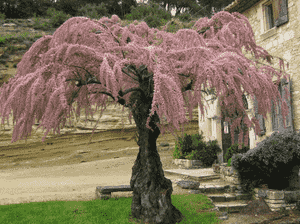
A deciduous bush featuring delicate branches and plume-like leaves, french tamarisk flourishes in dry environments. Trim french tamarisk during late winter or early spring, prior to the emergence of new shoots. Eliminate any deceased or compromised wood, and reduce crowded sections to enhance air movement. Cut back elongated stems to foster a more compact form. Trimming revitalizes french tamarisk, managing its dimensions and bolstering the plant's well-being, concurrently restricting seed dispersal, given its recognized invasive tendencies.
What Are the Benefits of Pruning French Tamarisk?
What Are the Benefits of Pruning French Tamarisk?
Trimming french tamarisk promotes robust development and preserves its desired form. Strategic cutting back stimulates fresh, healthy branches, enhancing the plant's vigor and aesthetic appeal.
What Is the Best Time for Pruning French Tamarisk?
What Is the Best Time for Pruning French Tamarisk?
Trimming or cutting french tamarisk during late winter or early spring is optimal as this coincides with the plant's dormant phase before new growth emerges. This timing helps prevent stress on the plant and minimizes the risk of disease transmission. Additionally, it encourages healthy new growth that will define the plant's structure in the upcoming season. Pruning after the start of new spring growth could remove developing buds and negatively impact flowering. Adhering to these recommended periods ensures the vitality and beauty of french tamarisk, preparing it better for its growth cycle. Early pruning also offers the advantage of easier visibility for gardeners to make selective cuts since the plant is less dense without its full foliage.
What Tools Do I Need to Prune French Tamarisk?
Hand Pruners
Suitable for cutting small twigs and shaping french tamarisk, ensuring clean cuts for branch diameters up to 3/4 inches.
Loppers
Ideal for reaching into french tamarisk's dense branches and cutting thicker stems, generally between 3/4 and 2 inches in diameter.
Pruning Saws
Necessary for removing larger branches over 2 inches thick from french tamarisk, allowing for precise cuts without damaging the plant.
Hedge Shears
Effective for trimming and shaping french tamarisk's foliage, particularly useful for maintaining the desired dense, bushy growth habit.
How to Prune French Tamarisk
Clean And Sharpen Tools
Before pruning french tamarisk, ensure all cutting tools are clean and sharp to prevent disease spread and to make precise cuts.
Sanitize Tools
Disinfect pruning tools with a solution of 1 part bleach to 9 parts water or use rubbing alcohol to minimize the risk of transmitting pathogens to french tamarisk.
Remove Dead Branches
Cut dead branches at their base where they meet healthy wood, using clean cuts angled away from french tamarisk's main stem, to promote healthy growth and reduce disease risk.
Prune Diseased Branches
Identify and trim diseased branches of french tamarisk by cutting them back to healthy tissue, ensuring not to spread any disease to other parts of french tamarisk or nearby plants.
Disposal Of Trimmed Material
Dispose of all trimmed dead and diseased material away from french tamarisk and other plants to prevent any potential spread of disease and to maintain good garden hygiene.
Common Pruning Mistakes with French Tamarisk
Overpruning
Removing too much growth in one session can stress french tamarisk, leading to a weakened or stunted plant that is more susceptible to disease.
Cutting At Wrong Angle
Incorrectly angled cuts may result in damage to french tamarisk's bark or can create water pockets that encourage rot and disease.
Leaving Stubs
Leaving stubs after removing branches can hinder french tamarisk's natural healing process, also potentially attracting pests and diseases to the open wounds.
Pruning Into Old Wood
Severely cutting into the old wood, which does not easily produce new shoots, can limit french tamarisk's ability to rejuvenate and flower effectively.
Neglecting Sanitation
Failing to sterilize pruning tools before and after use can spread pathogens from infected to healthy parts of french tamarisk or between different plants.
Shaping Excessively
Attempting to shape french tamarisk severely or into unnatural forms can compromise its natural growth pattern and overall health.
Common Pruning Tips for French Tamarisk
Sterilize Equipment
Always use clean, sharp tools when pruning french tamarisk. Sterilize your cutting instruments before and after each use to prevent the spread of disease.
Prune For Structure
Focus on removing any dead or damaged branches first. Prune to maintain the natural, open, vase-like structure of french tamarisk, which promotes air circulation and reduces disease risk.
Make Clean Cuts
Ensure cuts are made at a slight angle away from the bud and are smooth, not jagged, to promote effective healing and prevent water accumulation.
Thin Crowded Areas
Thin out crowded branches to increase light penetration and improve air circulation throughout french tamarisk, which helps maintain health and encourages more blooms.
Cut At Nodes
Target cuts just above leaf nodes or branching points to stimulate healthy new growth. This technique is known to elicit vigorous development in french tamarisk.
Monitor Regeneration
After pruning, monitor french tamarisk for signs of new growth. Adjust future pruning intensity based on the plant's response to encourage a balance of vegetative growth and flowering.



