The French tamarisk Plant Advantage: Maximizing Home and Office Appeal and Wellness
1
Tamarix gallica excels at preventing soil degradation.
2
This species is recognized for its tolerance to arid conditions and its capacity to flourish in salty ground.
3
Tamarix gallica provides visual appeal and environmental advantages to outdoor spaces.
How Does French tamarisk Benefit the Environment?
Soil Erosion Control
A primary environmental advantage of French tamarisk is its capacity to manage soil erosion. The plant's root system is highly effective at stabilizing earth, lessening the loss of fertile topsoil, and preventing land degradation. This characteristic makes it especially valuable in areas prone to erosion, such as riverbanks, coastal regions, and arid zones.
Drought Resistance
French tamarisk exhibits remarkable drought tolerance, making it suitable for arid and semi-arid climates. Its ability to thrive with minimal water input reduces the need for irrigation, thereby conserving water resources. This attribute is vital for fostering sustainable landscaping practices in regions experiencing water scarcity.
Saline Soil Tolerance
The capacity of French tamarisk to flourish in saline soils distinguishes it from many other plant species. This adaptation allows its use in areas affected by soil salinization, where it can aid in land reclamation and the enhancement of soil quality. By thriving in challenging soil conditions, the plant helps lessen the negative effects of salinity on other vegetation.
Why Is French tamarisk Essential for Landscaping?
Aesthetic Appeal
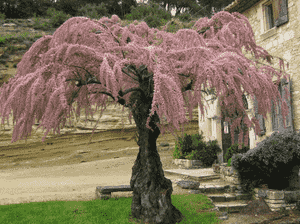
French tamarisk offers a distinct aesthetic charm that enhances the beauty of outdoor spaces and gardens. Its delicate foliage and graceful form provide a soft, elegant texture that complements various landscape designs. Whether used as a solitary specimen or in group plantings, French tamarisk adds visual interest and year-round beauty to any setting.
Wildlife Habitat
Beyond its visual attractiveness, French tamarisk serves as a valuable habitat for local wildlife. Its dense leaves offer shelter and nesting locations for birds and small mammals. Furthermore, the plant attracts pollinators like bees and butterflies, contributing to the area's overall biodiversity. By incorporating French tamarisk into landscaping, one can create a more vibrant and ecologically balanced environment.
Windbreaks and Privacy Screens
The robust nature of French tamarisk also makes it an excellent option for windbreaks and privacy screens. It can be planted in rows to form barriers that protect against wind, dust, and noise. Additionally, these barriers provide seclusion for outdoor areas, making French tamarisk a functional and visually pleasing addition to residential and commercial landscapes.
What Are the Ecological Contributions of French tamarisk?
Carbon Sequestration
French tamarisk plays a role in carbon sequestration, which is the process of capturing and storing atmospheric carbon dioxide. By absorbing CO2 during photosynthesis, the plant helps decrease the concentration of greenhouse gases in the atmosphere. This activity is crucial for mitigating the impacts of climate change and promoting environmental sustainability.
Improving Soil Fertility
Another ecological benefit of French tamarisk is its contribution to enhancing soil fertility. The plant's fallen leaves and organic matter decompose, enriching the soil with nutrients and improving its structure. This natural process fosters healthier soil ecosystems and supports the growth of other vegetation in the surrounding area.
Supporting Native Flora and Fauna
The presence of French tamarisk supports native plant and animal life by providing essential resources such as food, habitat, and shelter. By integrating this plant into reforestation and habitat restoration projects, we can help restore ecological balance and support the resurgence of native species. This contributes to the overall health and resilience of local ecosystems.



