How Much Sunlight Do French tamarisk Need?
1
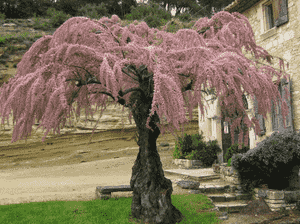
French tamarisk flourishes optimally with over six hours of direct sun exposure each day.
2
Insufficient light may result in stunted development and diminished bloom production.
3
Urban environments are suitable for French tamarisk, given sufficient solar illumination.
How Much Sunlight Does French tamarisk Need?
Full Sun Requirement
French tamarisk thrives in bright, direct sunlight. It requires a minimum of six hours of direct sun daily. Insufficient light can hinder its development and reduce the abundance of its beautiful blooms. Proper placement in a sunny spot is vital for its health and vibrant appearance.
Benefits of Full Sun for French tamarisk
Ample sun exposure provides numerous advantages for French tamarisk. It encourages strong growth and prolific flowering, while also boosting the plant's overall vitality. Sunlight facilitates efficient photosynthesis, generating the energy needed for sturdy stems, lush leaves, and vivid blossoms. Furthermore, full sun helps deter pests and diseases that prefer shadier, moister environments.
Best Locations for French tamarisk
Ideal Outdoor Spots
When selecting outdoor planting sites for French tamarisk, choose areas that receive maximum sunlight throughout the day. Gardens, open lawns, and sunny borders are perfect. Ensure the location isn't shaded by tall structures or trees, which can restrict light exposure. A south-facing position is often optimal for consistent sun from morning to evening.
Considerations for Urban Settings
Urban gardening presents unique challenges but also opportunities for cultivating French tamarisk. Balconies, rooftops, and sunny patios can be excellent locations, provided they get enough sunlight. Avoid spots where buildings or other structures cast significant shade. Light-colored surfaces can reflect extra sunlight, increasing the plant's exposure. Regularly observe sun patterns to ensure your French tamarisk receives its daily light needs.
Signs of Sunlight Stress in French tamarisk
Symptoms of Sunburn
While French tamarisk loves sun, excessive exposure, especially during extreme heat, can cause sunburn. Symptoms include yellowing or browning leaves, with scorched edges. If these signs appear, consider providing temporary shade during peak sun hours, particularly in the afternoon.
Responses to Insufficient Light
Inadequate light can negatively impact French tamarisk. Signs include leggy growth, fewer and smaller flowers, and a general lack of vigor. In severe cases, the plant may become more prone to diseases. If your plant exhibits these symptoms, try moving it to a brighter location or pruning any light-blocking obstructions.
Adjusting Sunlight for Seasonal Changes
Winter Sunlight Adjustments
During colder months, the sun's angle shifts, potentially reducing direct sunlight for your French tamarisk. If containerized, consider moving it to a south-facing window or patio to maximize light. Also, protect the plant from extreme cold and frost, which can be more damaging when sunlight is limited.
Summer Sunlight Adaptations
In summer, ensure your French tamarisk continues to receive ample sunlight, but be mindful of potential heatwaves. Prolonged periods of intense heat can stress the plant. Providing temporary shade during the hottest part of the day or ensuring proper watering can help alleviate heat stress. Mulching around the plant's base can also help retain soil moisture.
Companion Planting with French tamarisk for Optimal Sun Exposure
Complementary Plant Species
Companion planting can enhance the growing environment for French tamarisk. Pair it with other sun-loving plants like lavender, salvia, or ornamental grasses that thrive in similar conditions. These plants can help create a visually appealing and supportive garden ecosystem.
Creating a Balanced Garden Ecosystem
Establishing a balanced garden ecosystem involves considering plant height, water requirements, and soil type. Ensure that companion plants do not overshadow the French tamarisk and compete for sunlight. By maintaining balance, you foster a healthy environment where all plants can flourish, improving your garden's overall aesthetics and biodiversity.



