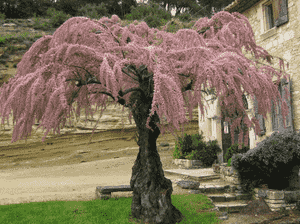
French tamarisk (Tamarix gallica)
Also known as: French Tamarisk, Salt Cedar
The plant you're referring to is likely French tamarisk (Tamarix gallica). This deciduous shrub can reach a height of 4 meters and produces pinkish-purple flowers during the summer, attracting bees and other pollinators. It thrives in full sunlight and prefers well-drained soil, whether dry or moist. Native to Europe, it has naturalized in parts of the United States and is known to be potentially invasive.
In This Article
Attributes of French tamarisk
Lifespan
Perennial
Plant Type
Tree, Shrub
Plant Height
5 m
Spread
3 m to 5 m
Leaf Color
Green Blue Gray
Flower Size
1.5 mm to 2 mm
Flower Color
Pink White
Images of French tamarisk
Quickly Identify French tamarisk
1
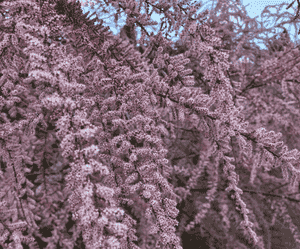
Tamarix gallica can be identified by its slender, branching stems, small, scale-like leaves, and dense clusters of tiny pink flowers. The leaves are often covered with a bluish-green bloom, and the plant typically grows in saline or alkaline soils.
Scientific Classification of French tamarisk
Phylum
Vascular plants
Class
Dicotyledons
Order
Caryophyllales
Family
Tamarisk
Genus
Tamarisks
Species
French tamarisk
Planting and Growing of French tamarisk
Care Difficulty
Easy
Watering Schedule
Every 2 days
Sunlight Requirements
Full sun
Sunshine Duration
4-8 hours
Ideal Temperature
60-80℉
Soil Type
Potting Mix, Peat Mix
Soil pH
6.5-8.5
Fertilizer Type
Balanced
Pruning Season
Spring, Summer
Pruning Area
Branches, Leaves
Pruning Frequency
2 times a year
Repotting Season
Spring
Pot Type
Plastic, Ceramic
 How to Water French tamarisk?
For Tamarix gallica, ensure the soil is thoroughly moistened, typically with about 1000 ml per watering session. This amount helps mimic the natural flood conditions they thrive in, ensuring moisture reaches down to their roots without excessive pooling.
More About Watering Techniques→
What are the symptoms of an underwatered French tamarisk?
›
What should I do if my French tamarisk is not getting enough water?
›
What are the symptoms of an overwatered French tamarisk?
›
How to save an overwatered French tamarisk?
›
 What Are the Sunlight Requirements for French tamarisk?
Partial shade to full sun is ideal. Tamarix gallica benefits from strong, consistent sunlight, which enhances flowering and overall vigor, aiding in pest resistance and vitality. Full-day sun ensures robust photosynthesis and nutrient synthesis.
More About Sunlight Requirements Techniques→
Best Time of Day
›
Protecting From Intense Afternoon Sun
›
Maximizing Light in Cloudy Climates
›
 What Is the Ideal Temperature Range for French tamarisk?
The ideal temperature range for growing Tamarix gallica is between 60 and 80 degrees Fahrenheit. This range allows the plant to thrive and maintain optimal growth and development. While it can tolerate temperatures slightly outside this range, maintaining these conditions ensures the plant remains healthy and vigorous.
 What Soil is Best for French tamarisk?
Tamarix gallica thrives in well-drained soils, allowing excess moisture to escape easily. This prevents root rot and ensures the plant's longevity and health. Proper drainage enhances root oxygenation, promoting strong growth. This plant can adapt to moderately fertile soils where nutrients are not excessively abundant. Such conditions prevent excessive vegetative growth and support balanced nutrient uptake, fostering a sturdy structure. Tamarix gallica exhibits remarkable tolerance towards saline soils, allowing it to grow in challenging environments. This trait provides opportunities for ornamental planting near coastal areas or roadsides where other species might struggle.
More About Soil→
 How to Fertilize French tamarisk?
When fertilizing Tamarix gallica, it is important to use a balanced fertilizer with equal parts of nitrogen, phosphorus, and potassium. Apply about one cup of liquid fertilizer diluted to half-strength per plant for monthly applications. For solid fertilizer, apply around two tablespoons per square foot of soil, ensuring even distribution for optimal plant health.
More About Fertilizing Techniques→
 How to Prune French tamarisk?
Always use sharp and clean pruning tools. This reduces the risk of damaging the branches and minimizes the spread of pathogens. Ensure your tools are sanitized before and after use. While regular pruning is beneficial, over-pruning can stress the plant and impede its growth. Remove only what is necessary to maintain its shape and health, typically no more than one-third of the plant at a time.
More About Pruning Techniques→
 How to Propagate French tamarisk plant?
1
Start by filling seed trays with soil and gently press the seeds into the surface. Cover lightly with soil and mist with water. Maintain a consistent moisture level for successful germination.
2
Select healthy stems for cuttings, making clean cuts with pruning shears. Remove the lower leaves and prepare the cuttings by dipping the ends in rooting hormone before planting them in a potting mix.
3
Ensure the cuttings or seeds are kept in a warm, bright spot out of direct sunlight. Water regularly to keep the soil moist, but avoid over-watering, which can cause rot.
 How to Repot French tamarisk plant?
1
Tamarix gallica, also known as French tamarisk, should be repotted when its roots begin to outgrow the current pot, often becoming visible through the drainage holes. Spring and autumn are ideal times, as the plant will be less stressed and can recover more efficiently from the process.
2
Choose a pot that is one to two sizes larger than the current one. Ensure it has ample drainage holes to prevent waterlogging. A pot that provides enough space for root expansion promotes healthy growth and helps avoid root-bound issues.
3
Opt for a well-draining sandy loam soil. This particular blend facilitates good aeration and avoids the retention of excessive moisture, which is crucial for maintaining the plant's health and preventing root rot.



