Enhancing Your Garden Design with the French tamarisk Plant: A Landscaping Guide
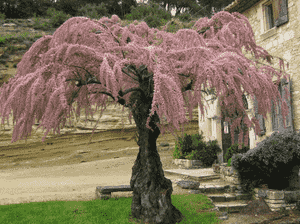
1
French tamarisk exhibits a fairly rapid growth rate, offering significant leaf density in a short timeframe.
2
Cultivate French tamarisk in areas receiving ample sunlight for optimal development.
3
Consistent trimming of French tamarisk aids in preserving its form and stimulating fresh shoots.
Grasping the Growth Characteristics of French Tamarisk
Height and width specifics
When thinking about French tamarisk for your landscape, it's vital to grasp its growth patterns. French tamarisk typically reaches a height of 10 to 20 feet with a similarly impressive spread. This makes it a significant feature in any garden design. Given its dimensions, proper spacing is key to allow it ample room to expand without crowding nearby flora.
Seasonal changes and foliage shifts
Another notable aspect of French tamarisk is its seasonality and the dynamic alterations in its leaves. Throughout the year, French tamarisk displays a range of hues, from deep green during the active growth period to a lovely reddish-brown in autumn. These seasonal transformations can add a vibrant touch to your garden, making it visually engaging year-round.
Growth pace details
French tamarisk is recognized for its relatively rapid growth rate, especially in its initial years. Under ideal conditions, you can anticipate it to grow several feet annually. This swift development can be beneficial if you're aiming to quickly establish a green screen or add mature-looking shrubs to your outdoor space.
Design Principles for Incorporating French Tamarisk in Your Yard
Utilizing French tamarisk as a central feature
Due to its stature and breadth, French tamarisk can serve as a striking focal point in your landscape design. Whether you plant it as a solitary specimen or in small clusters, its presence can attract attention and provide a central visual anchor for your yard. Consider placing it at the end of garden paths or in the middle of larger garden beds to maximize its impact.
Companion plant suggestions for French tamarisk
Selecting companion plants for French tamarisk can enhance its beauty and the overall aesthetic of your garden. Plants with contrasting textures and colors can be particularly effective. For instance, consider pairing French tamarisk with fine-leaved grasses or low-growing perennials that offer a mix of shades and bloom times. This approach creates a balanced and harmonious garden composition.
Balancing color and texture
Balancing color and texture is crucial when integrating French tamarisk into your landscaping. Given its dynamic foliage and structural form, it pairs well with plants that have different leaf shapes and sizes. Mixing in plants with bold, broad leaves alongside French tamarisk's finer foliage can create an intriguing textural contrast, making your garden more visually appealing.
Practical Advice for Planting and Placement of French Tamarisk
Optimal planting sites
Choosing the correct location is vital for the success of French tamarisk in your garden. Ideally, French tamarisk should be planted in well-drained soil, away from areas prone to waterlogging. Additionally, consider its mature size and ensure it has sufficient space to grow without encroaching on other plants or structures.
Preferred soil types
French tamarisk is adaptable to various soil types, but it thrives best in sandy or loamy soils that provide good drainage. Amending your soil with organic matter can improve its structure and fertility, offering a better growing environment for French tamarisk.
Sunlight exposure requirements
For optimal development, French tamarisk needs full sun exposure. Planting it in a spot that receives at least six to eight hours of direct sunlight daily will ensure it develops strong, healthy foliage and vigorous growth.
Long-Term Care and Upkeep of French Tamarisk
Pruning best practices
Regular pruning is essential for maintaining the shape and health of French tamarisk. Prune during late winter or early spring before new growth begins. Focus on removing dead or damaged branches and thinning out dense areas to improve air circulation and light penetration.
Seasonal care recommendations
Seasonal care practices for French tamarisk include mulching in the spring to retain moisture and suppress weeds, and applying a balanced fertilizer during the growing season to support its nutritional needs. Additionally, be mindful of watering during prolonged dry spells to keep the plant hydrated.
Common issues and remedies
One common challenge with French tamarisk can be managing its spread, as it can be an assertive grower. Regular pruning and monitoring can help keep it in check. Additionally, be vigilant for signs of pests or diseases, and address any issues promptly with appropriate treatments to maintain the health and vigor of your French tamarisk plants.



