How to Propagate French tamarisk?
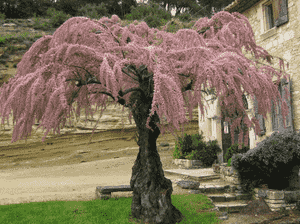
Tamarix gallica is a resilient woody plant recognized for its capacity to flourish in difficult environments, rendering it a favored option for ground stabilization and decorative uses. Its reproduction is effectively accomplished via sections, which ought to be harvested from robust, non-blooming shoots. These sections benefit from the use of a rooting stimulant and should be inserted into porous soil in an environment where they can sustain elevated moisture levels without becoming waterlogged. Effective root formation demands perseverance and steady growing medium dampness until the plant is established.
Optimal Period for French Tamarisk Propagation
Propagation Method
Cutting
Propagation Period
Autumn,Winter
Essential Tools for French Tamarisk Propagation
Sharp Pruning Shears
Sharp pruning shears are vital for making clean cuts on french tamarisk branches, which is key for cuttings. A precise cut minimizes tissue damage, boosting rooting potential and preventing infection.
Rooting Hormone Powder
This hormone stimulates root development on french tamarisk cuttings, improving success rates. It works by promoting root cell growth at the cut site, essential for new plant establishment.
Sterile Potting Mix
Using a sterile potting mix for french tamarisk cuttings helps prevent disease and fungal attacks during the delicate root development stage. A well-draining, light mix supports new root growth without excessive moisture that causes rot.
Humidity Dome or Plastic Cover
A humidity dome or clear plastic cover helps maintain high humidity around french tamarisk cuttings, crucial for hydration before roots form. This tool reduces transpiration and aids overall propagation success.
Heat Mat
A heat mat can provide consistent warmth from below, which benefits rooting french tamarisk cuttings, especially in cooler conditions. Root zone temperature control is critical for faster root growth and improved health.
French Tamarisk Propagation Guide
Propagation Difficulty
Moderately Difficult
Post-Propagation Care for French Tamarisk
How to Care for Your Newly Propagated French Tamarisk?
Once roots are established, gradually introduce french tamarisk to less sheltered conditions before moving to their permanent spot. Ensure adequate spacing, as french tamarisk grows into a dense, bushy tree. French tamarisk thrives in full sun and well-drained soil, and while drought-tolerant once mature, ensure consistent watering during the initial growing season. Minimal pruning is typically needed, mainly for shaping or removing damaged branches.
Common Errors to Avoid When Propagating French Tamarisk
Overwatering
Excessive moisture can lead to root rot in french tamarisk, compromising plant health and hindering root development.
Deep Planting
Planting cuttings too deeply can cause french tamarisk cuttings to rot before they can establish roots.
Ignoring Pest Control
Pests can quickly harm or destroy french tamarisk cuttings and seedlings, reducing propagation success.
Neglecting Pruning
Failure to prune french tamarisk after planting can result in poor air circulation and weak growth.
Poor Soil Preparation
Without well-draining soil, french tamarisk cuttings are susceptible to moisture-related diseases.
Advice for Propagating French Tamarisk
Use Healthy Cuttings
Selecting disease-free and robust cuttings increases the likelihood of successful french tamarisk propagation.
Provide Proper Lighting
Ensuring sufficient but indirect sunlight promotes healthy growth without scorching french tamarisk cuttings.
Moderate Watering
Maintaining a balance by keeping the soil moist but not waterlogged is crucial for french tamarisk cuttings to root successfully.
Use Rooting Hormone
Applying rooting hormone to cuttings can enhance root development and increase the propagation success rate for french tamarisk.
Pest and Disease Monitoring
Regular checks for pests and signs of disease can prevent infestations and protect french tamarisk during the sensitive propagation phase.



