Optimal Fertilizer for Growing French tamarisk: What You Need to Know
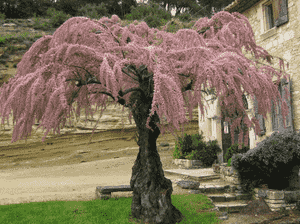
1
French tamarisk thrives with fertilizer application during the spring.
2
Keeping soil pH within 6.0 to 7.5 range enhances nutrient uptake for French tamarisk.
3
Excessive fertilization can cause nutrient overload, harming roots and general plant vitality.
Understanding the Nutritional Needs of French tamarisk
Key Macronutrients and Their Roles
For your French tamarisk to flourish, comprehending its macronutrient requirements is vital. Nitrogen (N), phosphorus (P), and potassium (K) are the primary macronutrients essential for its development. Nitrogen promotes lush, green leaves; phosphorus encourages root and bloom formation; while potassium enhances overall plant vigor, making it resistant to illnesses and harsh conditions. When choosing fertilizers, check the N-P-K ratio on the label to ensure these crucial nutrients are balanced.
Importance of Micronutrients
Beyond the main macronutrients, French tamarisk also needs various micronutrients, though in smaller quantities. Elements such as iron, manganese, zinc, and copper play critical roles in metabolic processes and enzyme functions. Iron is essential for chlorophyll production, ensuring leaves stay green and healthy. Deficiencies in these micronutrients can cause issues like chlorosis, where leaves turn yellow due to a lack of chlorophyll.
Soil pH and Nutrient Availability
Soil pH significantly impacts how available nutrients are to the French tamarisk. Ideally, maintain the soil pH between 6.0 and 7.5. If the soil is too acidic (low pH) or too alkaline (high pH), it can bind essential nutrients, making them inaccessible for plant uptake. To maintain optimal pH levels, perform regular soil analyses and amend the soil as necessary, using lime to raise pH or sulfur to lower it.
Selecting the Right Fertilizer for French tamarisk
Types of Fertilizers Suitable for French tamarisk
French tamarisk can thrive with various fertilizers, but it's crucial to select those that offer a balanced N-P-K ratio. General-purpose fertilizers with ratios like 10-10-10 or 20-20-20 are appropriate. Slow-release fertilizers are also an excellent option as they provide a consistent supply of nutrients over time, reducing the risk of excessive fertilization and nutrient runoff.
Organic vs. Inorganic Options
When deciding between organic and inorganic fertilizers, both have advantages. Organic fertilizers, such as compost, manure, and bone meal, improve soil structure and boost microbial activity, benefiting the plant ecosystem long-term. Inorganic fertilizers, while offering immediate nutrient availability, can sometimes lead to soil degradation if overused. A balanced approach, combining both organic matter and inorganic fertilizers, often yields the best results for French tamarisk.
Applying Fertilizer to French tamarisk
Best Time of the Year for Fertilization
Spring is the ideal season to fertilize your French tamarisk. As the plant awakens from dormancy and begins new growth, applying fertilizer in spring ensures it has all the vital nutrients needed for a vigorous growing season. It's important to start fertilizing early in the season before new growth appears to maximize nutrient absorption.
Proper Techniques for Fertilizer Application
Applying fertilizer effectively involves several steps. First, measure the correct amount based on the fertilizer type and your plant's size. Distribute granular fertilizers evenly around the plant's base, being careful not to let it touch the trunk directly. Water the area thoroughly after application to help dissolve the fertilizer and allow it to reach the root zone. For liquid fertilizers, follow the package instructions for dilution rates and apply uniformly to the soil around the plant.
Monitoring Fertilization Effectiveness
After applying fertilizer, observe your French tamarisk for signs of improvement. Healthy new growth, vibrant green foliage, and abundant flowering indicate successful fertilization. Regularly check for any negative reactions like leaf burn or stunted growth, which could signal over-fertilization or nutrient imbalances. Conduct periodic soil tests to monitor nutrient levels and adjust your fertilization plan accordingly.
Common Mistakes to Avoid While Fertilizing French tamarisk
Over-fertilization Risks
Over-fertilizing French tamarisk can lead to an excess of nutrients, which can be harmful. Too many nutrients, especially nitrogen, can cause rapid, weak growth that is more vulnerable to pests and diseases. Furthermore, it can result in nutrient runoff, affecting local water sources. Always adhere to recommended application rates and schedules to prevent these risks.
Ignoring Soil Tests
A common error when fertilizing French tamarisk is neglecting the results of soil tests. Soil tests provide valuable insights into nutrient deficiencies and pH levels, helping you customize your fertilization strategy to your plant's specific needs. Skipping this step can lead to either excessive or insufficient fertilization, both of which can stress the plant and hinder growth. Regular soil testing is a best practice that should not be overlooked.



