How to Transplant Yellow loosestrife?
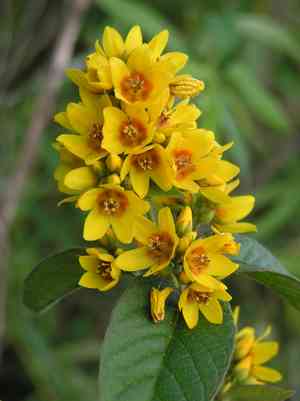
The ideal period for relocating yellow loosestrife is in early to late spring, as the earth warms and revitalizes. Choose a location offering partial sunlight to complete shade and damp ground to foster vigorous development. Bear in mind that yellow loosestrife flourishes with some additional attention during its establishment stage.
What Preparations are Needed Before Transplanting Yellow Loosestrife?
What is the Ideal Time for Transplanting Yellow Loosestrife?
The optimal period to relocate yellow loosestrife is during the peak of spring. This season, characterized by vigorous growth, promotes strong root development and adaptation. Moving yellow loosestrife at this time aligns with its natural growth cycle, facilitating a smooth transition to its new spot and improved resilience. Select a cool, overcast day for the move to minimize transplant shock, ensuring the best start in its fresh home.
How Much Space Should You Leave Between Yellow Loosestrife Plants?
When preparing to rehome yellow loosestrife, provide them with ample room to thrive! Position them approximately 18-24 inches (45-60 cm) apart. This spacing guarantees sufficient area for their growth and vibrant expansion.
What is the Best Soil Mix for Yellow Loosestrife Transplanting?
Your yellow loosestrife will flourish in well-draining soil rich in organic matter. Prior to planting, incorporate some compost or a balanced slow-release fertilizer to give them an excellent start. This preliminary effort will result in impressive growth.
Where Should You Relocate Your Yellow Loosestrife?
Select a site for yellow loosestrife that receives partial to full sunlight, ideally about 4-6 hours of sun daily. A location that mimics their natural environment will make them feel comfortable and encourage beautiful growth.
What Equipments Should You Prepare Before Transplantation Yellow Loosestrife?
Gardening Gloves
To safeguard your hands while handling soil and plants.
Spade or Shovel
To excavate the yellow loosestrife without harming its root ball.
Garden Fork
To loosen the soil around the plant's roots, if necessary.
Watering Can or Hose
To hydrate the yellow loosestrife before and after its relocation.
Wheelbarrow or Gardening Trowel
To move the yellow loosestrife and its soil to the new site.
Secateurs or Pruning Shears
To trim any dead or excess plant parts prior to transplanting.
How Do You Remove Yellow Loosestrife from the Soil?
How Do You Remove Yellow Loosestrife from the Soil?
From Ground: First, moisten the yellow loosestrife plant to dampen the soil. Next, dig a wide trench around the plant using a spade or shovel, ensuring the plant's root ball remains intact. Carefully work the spade beneath the root ball to lift the yellow loosestrife from its original spot.From Pot: Begin by watering the yellow loosestrife to facilitate its removal. Tilt the pot sideways and gently tap its sides to loosen the soil. Support the yellow loosestrife by its base and carefully slide it out of the pot, making sure to keep the root ball whole.From Seedling Tray: Water the seedlings sufficiently before beginning. Use a gardening trowel or your fingers to gently lift the yellow loosestrife from its compartment, ensuring minimal root disturbance.
Step-by-Step Guide for Transplanting Yellow Loosestrife
Preparation
Ensure all your tools and equipment are ready before you begin.
Excavating
Dig a hole in the ground that is twice as wide and equal in depth to the yellow loosestrife's root ball.
Plant Removal
Carefully extract the yellow loosestrife from its previous location, following specific instructions based on whether it originated from the ground, a pot, or a seedling tray.
Transplanting
Position the yellow loosestrife in the center of the new hole. Adjust the plant so it stands upright and at the same depth it was previously growing.
Refilling
Gently backfill the hole with soil, lightly tamping it down around the root ball to eliminate air pockets.
Watering
Thoroughly water the yellow loosestrife after planting to settle the soil and provide moisture for its roots.
Stabilizing
Add support if the yellow loosestrife is tall or tends to droop. Use plant stakes and soft ties if necessary.
How Do You Care For Yellow Loosestrife After Transplanting?
Regular Watering
Maintain consistent soil moisture around the yellow loosestrife, especially during dry spells, without overwatering to prevent root rot. Monitor the soil and adjust irrigation as needed based on weather and drainage.
Mulching
After transplanting, apply a layer of organic mulch around the base of the yellow loosestrife, being careful not to pile it against the stems. This aids in moisture retention, temperature regulation, and weed suppression.
Monitoring & Adjusting
Observe the yellow loosestrife for indications of transplant shock, such as wilting, leaf drop, or discoloration. If symptoms appear, modify care accordingly and allow the yellow loosestrife time to recover.
Staking Support
If the yellow loosestrife is tall or prone to leaning, provide appropriate staking or other supports to help it remain upright as it establishes.
Pruning
Trim off any dead or damaged stems or leaves with clean secateurs or pruning shears to encourage healthy growth and shape the yellow loosestrife.
Seasonal Care
Be mindful of the yellow loosestrife's seasonal requirements, such as offering extra protection from extreme temperatures or adjusting care for different growth stages.
Troubleshooting Common Issues with Yellow Loosestrife Transplantation.
What's the best time to transplant yellow loosestrife?
Choose mid to late spring when the soil is warm yet moist, to give yellow loosestrife a strong start.
How do I space yellow loosestrife correctly when transplanting?
Position yellow loosestrife at intervals of 18-24 inches (45-60 cm) to ensure ample growth space.
Why is my transplanted yellow loosestrife wilting?
Wilting often results from water stress. Ensure the soil is moist and check for root damage.
Can I transplant yellow loosestrife in full sun?
Yes, yellow loosestrife thrives in full sun to partial shade; just keep the soil consistently moist after transplanting.
How deep should I plant yellow loosestrife roots?
Plant yellow loosestrife's roots at the same depth they grew previously to avoid stress on the plant.
Is it necessary to amend the soil for yellow loosestrife?
Enriching soil with compost improves aeration and nutrients, which benefits yellow loosestrife's growth post-transplant.
Should I prune yellow loosestrife before transplanting?
Trimming back foliage can reduce stress and help yellow loosestrife focus on root establishment after moving.
How do I water yellow loosestrife after transplanting?
Water thoroughly after transplanting and keep the soil moist, but not waterlogged, to support yellow loosestrife's recovery.
Can I mulch around transplanted yellow loosestrife?
Mulching helps retain moisture and temperature, which is advantageous for yellow loosestrife's adaptation to its new location.
Why isn't my yellow loosestrife growing after transplant?
Growth delay could be due to transplant shock. Give it time and ensure it's getting the right care.



