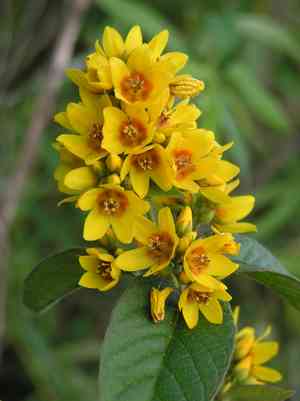
Yellow loosestrife (Lysimachia vulgaris)
Also known as: Garden yellow loosestrife
Yellow loosestrife (Lysimachia vulgaris) is a herbaceous perennial that typically grows between 91 and 183 cm in height. It features bright yellow, cup-shaped flowers with reddish-brown centers, blooming from summer to fall. This plant can be quite aggressive, spreading through underground rhizomes and self-seeding prolifically. Due to its invasive nature, it is considered a noxious weed in certain areas.
Attributes of Yellow loosestrife
Images of Yellow loosestrife
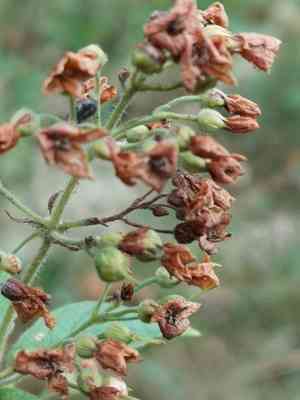
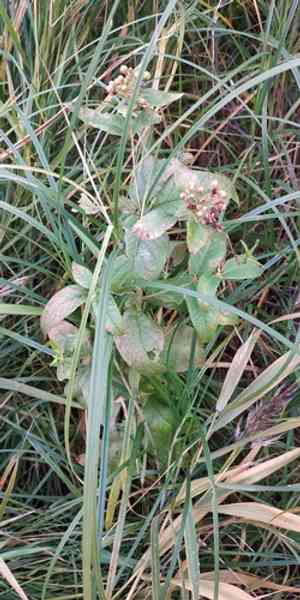
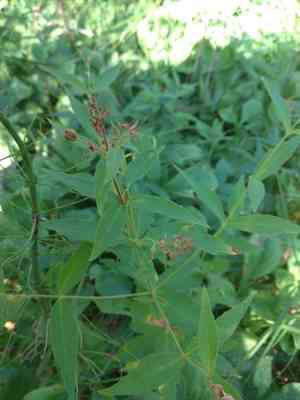
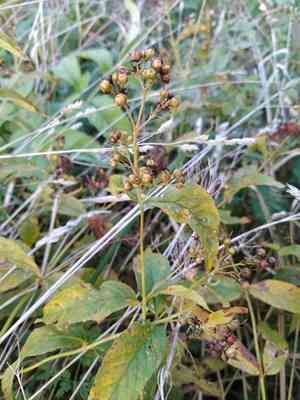
Quickly Identify Yellow loosestrife
Scientific Classification of Yellow loosestrife
Planting and Growing of Yellow loosestrife
 How to Water Yellow loosestrife?
 What Are the Sunlight Requirements for Yellow loosestrife?
 What Is the Ideal Temperature Range for Yellow loosestrife?
 What Soil is Best for Yellow loosestrife?
 How to Fertilize Yellow loosestrife?
 How to Prune Yellow loosestrife?
 How to Propagate Yellow loosestrife plant?
 How to Repot Yellow loosestrife plant?
Toxicity of Yellow loosestrife
Is Yellow loosestrife toxic to humans?
Yellow loosestrife exhibits a moderate level of toxicity in humans, primarily resulting from consumption. The entire plant harbors saponins, which are the agents behind its toxic properties. When consumed, even in small amounts, yellow loosestrife can trigger various symptoms. Affected individuals may suffer from gastrointestinal disturbances including nausea, vomiting, and diarrhea. Furthermore, saponins can irritate the mucous membranes, potentially resulting in a sore throat. It is crucial for individuals to exercise caution and prevent unintentional ingestion of yellow loosestrife, as every part of the plant is toxic and can lead to uncomfortable symptoms.
Is Yellow loosestrife toxic to cat?
Yellow loosestrife possesses a low toxicity level for cats and could present a danger if consumed, even unintentionally. Every part of the yellow loosestrife plant contains harmful compounds, particularly saponins. These elements may lead to undesirable reactions in cats if they ingest any portion of the plant. Cat owners should vigilantly supervise their pets in environments where yellow loosestrife is present to avoid accidental ingestion. If any signs of physical distress or illness that suggest potential poisoning appear, it is crucial to obtain prompt veterinary assistance to safeguard the cat's health.
Is Yellow loosestrife toxic to dog?
Yellow loosestrife is regarded as having a low level of toxicity for dogs. Canine poisoning usually takes place when dogs inadvertently consume parts of the plant. Every part of the plant, including the leaves, stems, and flowers, contains toxic substances that could jeopardize a dog’s health. If ingested, yellow loosestrife may result in various symptoms, such as gastrointestinal distress, which can present as vomiting or diarrhea. It is essential for dog owners to remain alert and prevent their pets from entering areas where yellow loosestrife is found. If a dog does happen to ingest yellow loosestrife, seeking immediate veterinary attention is vital to ensure the most favorable outcome for the affected dog.



