Enhancing Your Garden Design with the Yellow loosestrife Plant: A Landscaping Guide
1
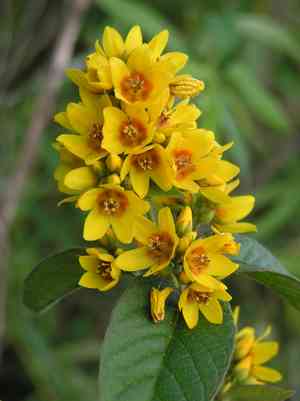
Lysimachia punctata displays vivid yellow flowers, enhancing any garden's aesthetic.
2
This plant flourishes in damp, adequately drained soil, under full or partial sun exposure.
3
Incorporating Lysimachia punctata alongside other flora can achieve a harmonious and attractive garden design.
Appreciating the Aesthetic Qualities of Yellow Loosestrife
Highlighting its vivid yellow blossoms
A key characteristic of Yellow loosestrife is its brilliant yellow flowers. These blooms can inject a burst of color into your garden, lasting all summer. The bright yellow petals are not only visually appealing but also draw in various pollinators, like bees and butterflies, making your garden lively and active.
Describing the growth pattern of Yellow loosestrife
Yellow loosestrife possesses a distinct growth habit that can enhance your garden's structure. It typically grows upright, reaching 2 to 3 feet, with multiple stems forming a dense, bushy look. This compact growth makes it an excellent choice for garden borders, creating a natural, soft edge. Its lush green foliage further complements the bright flowers, resulting in a balanced and attractive plant.
Seasonal changes in its look
Throughout the year, Yellow loosestrife undergoes subtle shifts that keep your garden engaging. In spring, new growth appears, followed by a profusion of yellow flowers in summer. As autumn nears, the plant's leaves may turn a lovely bronze, adding fall colors to your garden. In winter, while Yellow loosestrife might die back, its structure can still offer texture and visual interest.
Optimal Placement for Yellow Loosestrife in Your Garden
Selecting the ideal spot for visual impact
When planting Yellow loosestrife, choosing the correct location can maximize its visual appeal. Consider placing it where you wish to draw attention or emphasize specific garden features. For example, it works beautifully along paths or near garden entrances, where its bright blooms can greet visitors and create a welcoming ambiance.
Considering sun exposure and soil conditions
Yellow loosestrife thrives in full to partial sunlight, making it adaptable for various garden environments. It prefers moist, well-drained soil but can tolerate different soil types as long as they aren't too dry. Ensuring your Yellow loosestrife gets sufficient sunlight and proper soil conditions will help it flourish and maintain its vibrant appearance.
Proximity to water features or other garden elements
Positioning Yellow loosestrife near water features, such as ponds or fountains, can create a picturesque scene. The reflection of the yellow blooms in the water can amplify their beauty, offering a serene and captivating garden view. Additionally, integrating Yellow loosestrife with other structural elements, like garden statues or trellises, can enhance both the plant and its surroundings.
Integrating Yellow Loosestrife with Other Plants
Compatible plant pairings for Yellow loosestrife
To cultivate a visually harmonious garden, consider pairing Yellow loosestrife with complementary plants. Plants with purple or blue flowers, such as lavender or salvia, can create a striking contrast with Yellow loosestrife's yellow blooms. Furthermore, combining Yellow loosestrife with plants of different textures, like ornamental grasses, can add depth and intrigue to your garden design.
Avoiding aggressive neighbors that might dominate
While Yellow loosestrife is a vigorous grower, it's crucial to avoid planting it near overly aggressive species that might overshadow it. Plants like mint or ivy can quickly take over the space and compete for resources, leaving your Yellow loosestrife struggling. Instead, choose companions that grow at a moderate pace and allow Yellow loosestrife to stand out.
Design suggestions for creating cohesive plant groupings
Creating harmonious plant clusters with Yellow loosestrife involves considering height, color, and texture. Use Yellow loosestrife as a mid-layer plant, with taller plants behind it and shorter ground covers in front. This layering effect can create a dynamic and lush garden aesthetic. Additionally, repeating colors and textures elsewhere in your garden can create a unified and cohesive design.
Seasonal Care Guidelines for Yellow Loosestrife
Routine maintenance throughout the year
Caring for Yellow loosestrife is relatively simple. Regular watering, especially during dry spells, and occasional weeding are crucial. Mulching around the base can help retain moisture and suppress weeds, ensuring your plant stays healthy and vibrant all season long.
Preparing Yellow loosestrife for winter
As winter approaches, Yellow loosestrife needs some preparation to endure the cold months. Cutting back the stems to ground level after the first frost can protect the plant from harsh winter conditions. Adding a layer of mulch can further insulate the roots and help Yellow loosestrife survive until spring.
Optimizing growth in spring and summer
In spring, ensure Yellow loosestrife gets a strong start by removing any winter mulch and applying a balanced fertilizer. This will encourage new growth and abundant blooming. Throughout summer, deadheading spent blooms can promote continuous flowering and maintain the plant's tidy appearance.
Common Issues and Solutions for Yellow Loosestrife
Addressing typical pests and diseases
Like any garden plant, Yellow loosestrife can encounter pest and disease problems. Common issues include aphids and fungal infections. Regular inspection and prompt action, such as using insecticidal soap for pests or fungicides for disease, can keep your Yellow loosestrife healthy.
Managing rapid growth and spread
Yellow loosestrife is known for its quick growth, which can sometimes lead to it spreading more than desired. To control this, consider planting it in a contained area or using root barriers. Regular pruning can also help keep its growth in check and maintain a neat garden appearance.
Tips for revitalizing struggling plants
If your Yellow loosestrife appears to be underperforming, consider factors like soil quality and light exposure. Ensuring the plant receives the correct nutrients and adequate sunlight can often revive its growth. Additionally, dividing and replanting older plants can encourage new vigor and blooming.



