The Yellow loosestrife Plant Advantage: Maximizing Home and Office Appeal and Wellness
1
Lysimachia vulgaris flourishes in damp environments, making it ideal for wetland rehabilitation.
2
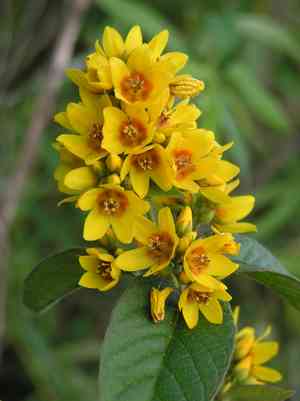
This plant is recognized for its bright yellow blossoms that draw in beneficial insects.
3
In the past, its foliage and root systems found application in diverse traditional practices.
What Is Yellow loosestrife?
Overview and Description
Yellow loosestrife is a perennial plant native to Europe and Asia, flourishing in damp and boggy environments. It showcases clusters of vibrant yellow blossoms that appear from June through August. This plant can reach heights of up to 1.2 meters, featuring lance-shaped leaves arranged oppositely along its stem.
Habitat and Growth Conditions
Yellow loosestrife is typically found in wetlands, along riverbanks, and in moist meadows. This hardy plant prefers full sun to partial shade and thrives in fertile, damp soil. Its capacity to grow in less-than-ideal conditions makes it a valuable asset for natural landscapes and conservation efforts.
Why Is Yellow loosestrife Important for the Ecosystem?
Supporting Pollinators
Yellow loosestrife plays a vital role in sustaining local ecosystems by attracting various pollinators, including bees and butterflies. The plant's bright yellow flowers are not only visually appealing but also offer a rich source of nectar, crucial for these insects' survival.
Wetland Restoration
One of the most significant ecological advantages of Yellow loosestrife is its contribution to wetland restoration. The plant's root system helps stabilize soil and prevent erosion, while its presence enhances water quality by filtering pollutants. This makes Yellow loosestrife an excellent choice for ecological restoration projects aimed at preserving and improving wetland habitats.
Practical Uses of Yellow loosestrife
Gardening and Landscaping
Gardeners and landscapers often use Yellow loosestrife to add a burst of color to damp or shaded areas. Its vivid flowers and lush foliage make it a popular option for ornamental gardens, especially where other plants might struggle. Additionally, Yellow loosestrife can serve as a ground cover to suppress weed growth and soil erosion.
Traditional Uses
Historically, various parts of Yellow loosestrife have been employed for different traditional purposes. The plant's leaves and roots were commonly gathered and utilized for a range of applications, demonstrating its versatility and importance in past cultures. While these traditional practices are largely obsolete, they highlight the plant's multifaceted nature.
How to Grow and Care for Yellow loosestrife?
Planting Tips
To cultivate Yellow loosestrife, begin by selecting a moist, well-drained location that receives ample sunlight. Plant the seeds or young plants in the spring, spacing them approximately 30-45 cm apart to allow for sufficient growth. Water regularly, particularly during dry periods, to ensure the soil remains consistently moist.
Maintenance and Pruning
Yellow loosestrife requires minimal upkeep once established. Consistent watering and occasional mulching can help retain soil moisture and encourage healthy development. Pruning can be performed in late fall or early spring to remove any dead or damaged stems and stimulate new growth. Furthermore, dividing the plants every few years can help prevent overcrowding and maintain vigor.
What Are the Challenges of Growing Yellow loosestrife?
Pest and Disease Management
While Yellow loosestrife is generally resistant to pests, it can sometimes be affected by common garden pests like aphids or spider mites. Applying organic insecticides or introducing natural predators can help control these pests. The plant is also relatively disease-resistant, though it may occasionally suffer from fungal infections, especially in excessively wet conditions.
Invasive Potential
Yellow loosestrife, despite its advantages, has the potential to become invasive in certain regions, particularly outside its native range. It's crucial to monitor its spread and prevent it from growing uncontrollably. Using it responsibly in controlled environments can help mitigate any potential negative impacts on local ecosystems.
Can Yellow loosestrife Be Used in Companion Planting?
Benefits of Companion Planting
Companion planting with Yellow loosestrife can offer numerous advantages to a garden. When planted alongside compatible species, it can help improve soil health, attract beneficial insects, and provide natural pest control. Its dense foliage can also act as a protective ground cover, reducing weed growth and conserving soil moisture.
Recommended Companion Plants
Yellow loosestrife pairs well with other moisture-loving plants such as irises, sedges, and ferns. These plants share similar growing conditions and can complement each other in a garden setting. Incorporating a mix of flowering plants and grasses can create a diverse and visually appealing landscape that supports a balanced ecosystem.



