How to Prune Yellow loosestrife?
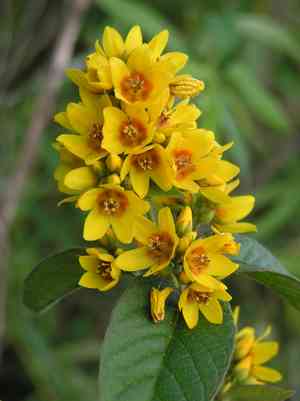
Yellow loosestrife, a herbaceous perennial recognized for its vivid yellow blossoms and lofty, dense growth pattern, thrives with consistent trimming. Essential pruning methods include removing faded flowers to stimulate additional blooming and cutting back leaves to preserve its form and dimensions. The most effective pruning occurs in late spring or early summer to foster robust development and once more in late autumn to ready the plant for its dormant phase. Particular attention should be paid to controlling its spread by eliminating surplus growth. Pruning boosts the plant's vitality and visual attractiveness.
What Are the Benefits of Pruning Yellow Loosestrife?
What Are the Benefits of Pruning Yellow Loosestrife?
Trimming yellow loosestrife promotes strong vitality, encouraging more blossoms and maintaining an appropriate size. It boosts the plant's vigor, ensuring lush development with an attractive form.
What Is the Best Time for Pruning Yellow Loosestrife?
What Is the Best Time for Pruning Yellow Loosestrife?
Trimming yellow loosestrife from Late Winter to Early Spring allows for the removal of dead or damaged stalks before new growth emerges, preventing undue stress during the active season and reducing disease risk. Additionally, pruning right after yellow loosestrife's summer bloom helps preserve its shape, stimulates new growth for the subsequent season, and enables gardeners to manage its spread, as this species can be invasive. Avoid autumn pruning to lessen the chance of winter harm to any fresh growth.
What Tools Do I Need to Prune Yellow Loosestrife?
Bypass Pruners
Perfect for making clean cuts on the green and semi-woody stems of yellow loosestrife. They are accurate and cause minimal harm to plant tissues, fostering healthy regrowth.
Garden Scissors
Suitable for trimming delicate stems and removing faded flowers. Garden scissors allow for detailed work on yellow loosestrife without damaging adjacent stems or leaves.
Long-Handled Loppers
Useful for reaching into denser growth to trim branches that are thicker than those manageable with bypass pruners. Long-handled loppers provide leverage for cutting stronger stems of yellow loosestrife.
Garden Shears (Hand Shears)
Effective for shaping yellow loosestrife and quickly cutting back large sections of growth. They ensure an even cut when tidying up the plant's overall appearance.
How to Prune Yellow Loosestrife
Disinfect Tools
Before starting, ensure all pruning implements are clean and sanitized to prevent the spread of illness to yellow loosestrife.
Remove Diseased Leaves
Carefully inspect yellow loosestrife and cut away any ailing leaves. Make the cuts precise and close to the leaf stem's base to avoid leaving stubs that could attract pests or disease.
Trim Withered Leaves
Locate shriveled or dead leaves on yellow loosestrife and prune them at their base. This helps direct the plant’s energy to healthier growth and maintains the plant's look.
Cut Withered Flowers
Identify faded flowers on yellow loosestrife and snip them off at the stem below the flower head. This deadheading encourages more blooming and prevents self-seeding if not desired.
Clean Up
After pruning, remove all trimmings from around the base of yellow loosestrife to deter pests and diseases from establishing in the debris.
Common Pruning Mistakes with Yellow Loosestrife
Overpruning
Removing too much foliage or too many stems at once can shock yellow loosestrife and hinder its ability to photosynthesize effectively, potentially leading to weakened development.
Blunt Tool Use
Using dull or unsanitized tools can harm the stems of yellow loosestrife, creating jagged cuts that can invite pests and disease.
Random Cuts
Pruning without a clear strategy or objective can lead to uneven growth and may result in a misshapen appearance for yellow loosestrife. Cuts should be made with intention to guide the plant's form and health.
Ignoring Deadhead
Failing to deadhead, or remove spent blooms, can cause yellow loosestrife to expend energy on seed production rather than next season's growth and flowers.
Neglecting Diseased Material
Not promptly removing diseased or damaged material can allow problems to spread, which can affect the overall health of yellow loosestrife.
Pruning Without Attention
Pruning yellow loosestrife without considering the plant's natural habit can result in a loss of its aesthetic form and a reduction in flowering potential.
Common Pruning Tips for Yellow Loosestrife
Selective Pruning
Carefully choose which stems to prune, focusing on cutting back the oldest and weakest stems to their base to stimulate new growth and maintain a healthy, natural shape for yellow loosestrife.
Tool Preparation
Ensure tools are sharp and clean before pruning to make precise cuts that will heal quickly and minimize the risk of disease transmission to yellow loosestrife.
Deadhead Regularly
Regular removal of spent flowers promotes further blooming and redirects energy back into growing strong foliage and roots for yellow loosestrife.
Thin Out
Thin out crowded stems to improve air circulation, which can help prevent fungal diseases and encourage healthier, more vigorous growth of yellow loosestrife.
Shape Consideration
When pruning to shape yellow loosestrife, always consider its natural growth habit to maintain an attractive form and encourage blooms.
Disease Management
Remove any diseased or damaged stems immediately to prevent the spread of issues, cutting back to healthy tissue to promote recovery of yellow loosestrife.



