Optimal Soil for Growing Yellow loosestrife: What You Need to Know
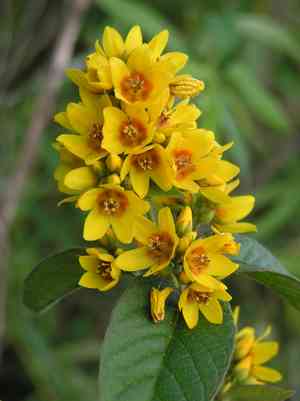
1
Yellow loosestrife flourishes optimally in soil having a pH range of 6.5 to 8.
2
Steady incorporation of organic material greatly improves soil richness and composition for Yellow loosestrife.
3
Frequent soil analysis assists in sustaining ideal nutrient concentrations and pH equilibrium for robust plant development.
What is the Best Soil Composition for Yellow loosestrife?
Soil Type Preferences
The Yellow loosestrife (Lysimachia vulgaris) is a resilient perennial that thrives in diverse soil types. However, it distinctly prefers moist, well-drained conditions. Loam or clay-loam soils are most suitable for its optimal growth. These soil types hold adequate moisture while allowing for proper air circulation, supporting strong root development.
pH Level Requirements
Maintaining an ideal pH range is vital for Yellow loosestrife. The perfect soil pH for this plant falls between 6.5 and 8. This slightly acidic to mildly alkaline range enables the plant to absorb essential nutrients effectively, promoting vigorous growth and vibrant blooms. Regular pH testing and adjustments with lime or sulfur, as needed, can help maintain this balance.
Drainage Requirements
While Yellow loosestrife tolerates various soil moisture levels, it performs best in well-draining soils. Proper drainage prevents waterlogging, which can lead to root rot and other moisture-related problems. Ensuring your garden soil has a good balance of moisture retention and drainage is crucial, so consider adding sand or perlite to improve soil structure if necessary.
How to Enhance Soil for Yellow loosestrife
Incorporating Organic Matter
Adding organic matter is one of the most effective methods to improve soil quality for Yellow loosestrife. Organic materials such as compost, aged manure, and leaf mold can enhance soil structure, boost nutrient content, and improve water retention capabilities. Spread a 5-10 cm (2-4 inches) layer of organic matter on the soil surface and gently mix it in.
Composting Advice
Creating and using compost can provide a nutrient-rich boost to your soil. Aim to balance green materials (nitrogen-rich, like kitchen scraps) and brown materials (carbon-rich, like dried leaves) in your compost pile. Turn the pile every few weeks to speed up the decomposition process. Compost can then be added to your garden beds, enriching the soil and fostering a healthy environment for Yellow loosestrife.
Mulching Advantages
Mulching offers several benefits for soil health. A 5-7 cm (2-3 inches) layer of organic mulch, such as straw, bark chips, or shredded leaves, can help regulate soil temperature, retain moisture, suppress weeds, and gradually add organic matter to the soil as it breaks down. For Yellow loosestrife, this can lead to healthier roots and more consistent growth, especially during hot summer months.



