The Hidden Danger in Your Home? Unmasking the Toxicity of the Yellow loosestrife Plant.
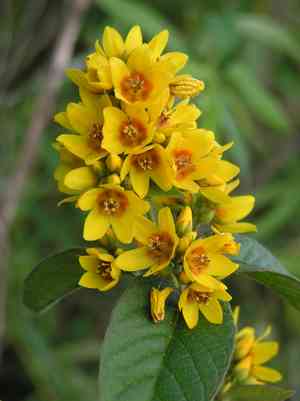
1
Yellow loosestrife has saponins, which are toxic to people, causing sickness, throwing up, and loose stools if eaten.
2
Every part of yellow loosestrife is poisonous to felines, leading to symptoms that need urgent vet treatment if consumed.
3
Canines eating any part of yellow loosestrife might show stomach problems and require quick vet assistance.
Is Yellow loosestrife toxic to humans?
Yellow loosestrife exhibits a low level of toxicity to people, mainly if consumed. The whole plant contains saponins, which are responsible for its poisonous properties. When eaten, even in small amounts, yellow loosestrife can cause various symptoms. Individuals might experience digestive upset, including sickness, throwing up, and loose stools. Furthermore, saponins can irritate mucous membranes, possibly causing a sore throat. It's crucial for people to be careful and avoid accidentally eating yellow loosestrife, as all parts of the plant are harmful and can lead to uncomfortable symptoms.
Is Yellow loosestrife toxic to cat?
Yellow loosestrife presents a slight toxicity risk to felines and could be dangerous if consumed, even unintentionally. Every part of yellow loosestrife contains potentially harmful compounds, specifically, saponins. These substances can cause cats to show negative reactions if they eat any part of the plant. When around yellow loosestrife, cat guardians should watch their pets closely to prevent accidental ingestion. At the first sign of discomfort or illness suggesting possible poisoning, it is vital to get immediate veterinary attention to ensure the cat's health.
Is Yellow loosestrife toxic to dog?
Yellow loosestrife is thought to have a minor level of toxicity for canines. Dog poisoning usually happens when dogs mistakenly eat parts of the plant. The entire plant, including foliage, stalks, and blooms, contains harmful substances that can endanger a dog's health. If consumed, yellow loosestrife can cause various symptoms like digestive upset, which might appear as vomiting or diarrhea. It's important for dog owners to be watchful and stop their pets from reaching areas where yellow loosestrife grows. Should a dog ingest yellow loosestrife, it is critical to seek quick veterinary care to ensure the best possible result for the affected animal.



