How to Propagate Yellow loosestrife?
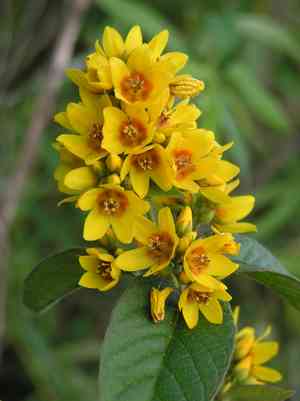
Lysimachia punctata is readily multiplied by seeding. Gather seeds after the capsules have desiccated on the plant and broadcast them directly into the earth, applying a thin layer of soil since they need illumination to sprout. Young plants typically appear in approximately two to three weeks, contingent on environmental factors. Beyond seeding, Lysimachia punctata can also proliferate organically through rhizomes. Gently separate these in either spring or autumn by excavating around the root mass, then re-embed the sections at an identical soil level. Confirm that each segment possesses sufficient root development and several nascent stems for successful integration.
What Is the Best Time To Propagate Yellow Loosestrife?
Propagation Type
Sowing
Propagation Season
Spring
What Tools Are Used in Yellow Loosestrife Propagation?
Seed trays
Seed trays are vital for initiating yellow loosestrife from seeds. They enable organized seed placement in a controlled setting. Each section can hold a suitable seed-starting mix, ensuring seeds have ample room to grow without competition. This arrangement also simplifies moisture control and nutrient application, boosting germination rates.
Fine mister
A fine mister is essential for dampening the seed-starting mix where yellow loosestrife seeds are planted. It delivers a gentle water spray that doesn't disturb the seeds or erode the soil. Maintaining consistent soil moisture without saturation is key for successful seed germination and early growth of yellow loosestrife.
Heating mat
A heating mat benefits yellow loosestrife by providing an ideal germination temperature, especially in cooler climates or seasons. It gently warms the soil, which can improve germination rates and encourage faster growth. The warmth provided mimics yellow loosestrife's natural environment, aiding in healthier initial development.
Grow lights
Grow lights are advantageous if sowing yellow loosestrife indoors or in conditions with insufficient natural light. They ensure that developing plants receive adequate illumination, crucial for photosynthesis and overall plant vitality. Adjustable intensity and spectral output can be customized to meet yellow loosestrife's specific light needs, ensuring robust growth.
How to Propagate Yellow Loosestrife?
Propagation Type
Easy
How to Care for Your Newly Propagated Yellow Loosestrife?
How to Care for Your Newly Propagated Yellow Loosestrife?
Post-propagation, continue to nurture yellow loosestrife by maintaining consistent soil moisture, particularly during dry periods. Avoid overhead watering to reduce the risk of leaf diseases. Apply a balanced, slow-release fertilizer annually in spring to support vigorous growth. Monitor for pests and diseases and treat as needed. As yellow loosestrife matures, it may benefit from division every 3-5 years to revitalize the plant and prevent excessive spread.
Common Mistakes to Avoid When Propagating Yellow Loosestrife
Overwatering
Excessive water can lead to root rot or fungal problems, as yellow loosestrife prefers moist but well-drained soil.
Deep planting
Planting cuttings too deeply can hinder proper rooting and reduce the chances of successful propagation for yellow loosestrife.
Neglecting division timing
Dividing yellow loosestrife at an inappropriate time might stress the plant and prevent the divisions from establishing correctly.
Ignoring pest control
Failing to manage pests during propagation can result in infestation and disease, which impedes yellow loosestrife's growth.
Overcrowding
Planting yellow loosestrife cuttings or divisions too close together can lead to nutrient competition and increased susceptibility to diseases.
Tips For Propagating Yellow Loosestrife
Soil preparation
Ensuring the soil is rich and drains well will create ideal conditions for yellow loosestrife cuttings or divisions to take root.
Rooting hormone
Using a rooting hormone can stimulate root development and increase the success rate of yellow loosestrife cuttings' propagation.
Appropriate depth
Planting cuttings or divisions at the correct depth allows yellow loosestrife to establish a strong root system.
Monitoring moisture
Maintaining consistent moisture levels without overwatering encourages healthy root development in yellow loosestrife.
Pest and disease management
Regularly inspecting and treating for pests and diseases during propagation ensures the healthy establishment of yellow loosestrife.
Space management
Giving each cutting or division of yellow loosestrife enough space to grow will reduce competition and promote healthy development.



