How to Transplant Garden lupine?
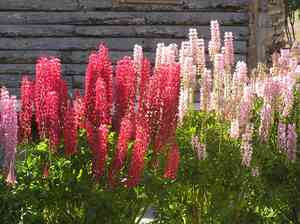
Relocate garden lupine during the ideal period of late spring through early summer, as this is the prime time for root establishment. Select a bright spot for the transfer, guaranteeing adequate drainage and sufficient room. Handle its fragile root system with care to ensure thriving development!
Preparations Required Before Relocating Garden Lupine
Optimal Timing for Transplanting Garden Lupine?
The best period for moving garden lupine spans from the pleasant warmth of late spring through the vibrant days of early summer. During this timeframe, conditions are ideal, fostering quick root development and plant growth. This strategic timing provides garden lupine the greatest chance for vigorous growth and spectacular blooms. Remember, in gardening, precision in timing is crucial!
Recommended Spacing Between Garden Lupine Plants?
To provide your garden lupine with ample growing room, ensure they are transplanted 8-12 inches (20-30 cm) apart. This will allow them sufficient space to develop and thrive.
Ideal Soil Mixture for Garden Lupine Transplanting?
For garden lupine, utilize well-draining soil, enriched with organic material or compost. Before planting, incorporate a balanced granular fertilizer to promote a stronger root system for your garden lupine.
Where to Replant Your Garden Lupine?
Ensure you select a site for your garden lupine that receives full sun or partial shade, as they flourish in these conditions. Aim for approximately 6 hours of daily sunlight to achieve optimal growth.
Equipment Needed Before Transplanting Garden Lupine?
Gardening Gloves
To safeguard your hands while handling the plant and soil.
Spade
Useful for digging the planting hole and extracting the plant from its original spot.
Watering can
For hydrating the garden lupine both before and after the transplant.
Garden Trowel
Helpful for gently removing the plant from a pot or seedling tray if it's not directly from the ground.
Organic matter/compost
Essential for enhancing the fertility and texture of the soil prior to transplanting the garden lupine.
How to Extract Garden Lupine from the Soil?
How to Extract Garden Lupine from the Soil?
From Ground: Begin by watering the garden lupine plant to moisten the soil, facilitating easier removal. Use a spade to dig a wide circle around the plant, taking care not to harm the root ball. Gently lift the plant from the ground once the spade can fit beneath the root ball.From Pot: Water the plant and use a garden trowel to carefully loosen the edges. Tilt the pot sideways, and gently pull out the plant with the soil still attached to its roots.From Seedling Tray: Water the tray, then tilt it on its side. Gently push the bottom of the cells to help the seedlings emerge with their roots and soil intact.
Step-by-Step Guide for Relocating Garden Lupine
Digging the Hole
Excavate a hole roughly twice as wide and the same depth as the garden lupine root ball using a spade.
Improving the Soil
Combine garden soil with organic matter/compost to enrich the planting medium.
Transplanting
Position the garden lupine in the hole, keeping it level with the soil surface. Backfill the hole with the soil-compost mixture. Gently firm the soil around the plant's base.
Watering
Use the watering can to thoroughly water after transplanting, ensuring moisture reaches the root zone.
Post-Transplant Care for Garden Lupine?
Watering
Water the garden lupine consistently, but avoid excessive watering. The soil should remain moist, but not waterlogged.
Mulching
Apply mulch around the base to retain moisture and inhibit weed growth. Use organic mulch such as compost, straw, or bark chips.
Checking Growth
Periodically inspect your garden lupine plant for signs of shock or stress, which may appear as wilting, damaged leaves, or stunted growth. Depending on severity, this might necessitate environmental adjustments or additional care.
Troubleshooting Common Issues with Garden Lupine Transplantation.
When is the best time for transplanting garden lupine?
The optimal period to transplant garden lupine is in late spring extending into early summer.
What space should be between the garden lupine when I transplant them?
When relocating garden lupine, maintain a distance of 8-12 inches (20-30 cm) between each plant. This provides them with adequate room to grow.
What kind of soil does garden lupine prefer for transplantation?
Garden lupine thrives in slightly acidic, well-drained soil. However, it can tolerate a broad spectrum of soil types.
How much should I water garden lupine after transplanting?
After transplanting, water garden lupine thoroughly but avoid over-saturation. Wait until the soil surface feels dry to the touch before re-watering.
Does garden lupine need full sunlight after transplantation?
Yes, garden lupine loves sunlight. This beautiful plant will flourish when placed in a location that receives full sun to partial shade.
How deep should I plant garden lupine while transplanting?
Plant the garden lupine so that the top of its root ball is flush with the soil surface, giving it the best chance to establish quickly.
What should I do if the leaves of garden lupine turn yellow after transplanting?
Yellow leaves on garden lupine could indicate water stress or a nutrient deficiency. Adjust your watering schedule and assess your soil's nutrient content.
Why are my transplanted garden lupine not flowering?
Insufficient sunlight or poor soil nutrients might be preventing blooming. Ensure garden lupine receives adequate sun and consider adding compost or a bloom-boosting fertilizer.
What happens if I don't provide enough spacing between the transplanted garden lupine?
Inadequate spacing can lead to competition for nutrients, sun, and water, resulting in stunted growth or the spread of disease among your garden lupine.
Do I need to amend the soil before transplanting garden lupine?
Yes, incorporating compost or organic matter into the soil before transplanting garden lupine can improve drainage, fertility, and overall plant health.



