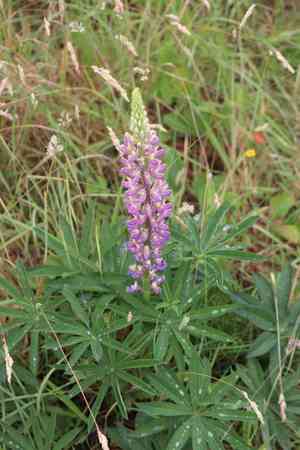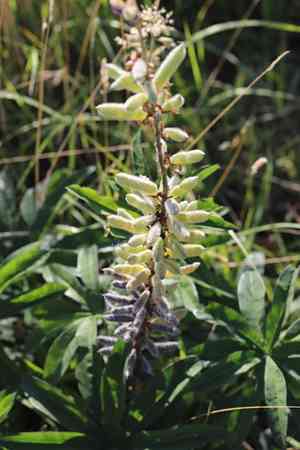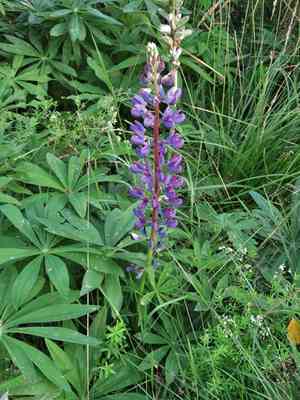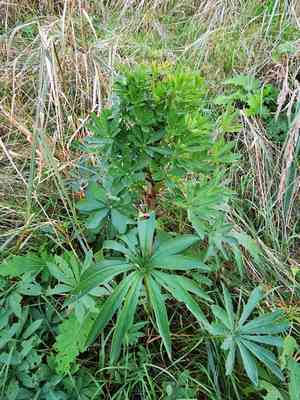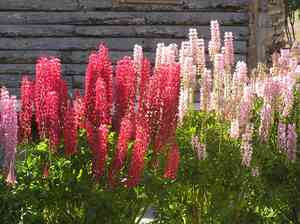
Garden lupine(Lupinus polyphyllus)

Garden lupine (Lupinus polyphyllus)

Also known as: Many-Leaved Lupine, Bigleaf lupine, Meadow lupine

While the garden lupine (Lupinus polyphyllus) is often cultivated for its ornamental value and ability to attract pollinators, it has become an invasive species in several regions. Notably, it poses ecological challenges in countries such as Finland, Sweden, Norway, New Zealand, and parts of North America.

The ecological issues caused by the garden lupine include:
1. **Reduction in Native Biodiversity**: It can overshadow and outcompete native plants, leading to a decline in local plant diversity.
2. **Soil Nutrient Disruption**: By fixing nitrogen in the soil, it alters soil nutrient composition, which can be detrimental to native species adapted to low-nitrogen conditions.
3. **Ecosystem Disruption**: Its dense growth can modify habitats, impacting the native fauna and flora that rely on them.
4. **Pollinator Displacement**: The presence of garden lupine can interfere with native plant-pollinator interactions.

These factors contribute to significant ecological imbalance and biodiversity loss in the regions where it becomes invasive.

Attributes of Garden lupine

Lifespan
Perennial, Annual
Plant Type
Herb
Plant Height
50 cm to 1 m
Spread
45 cm
Leaf Color
Green Blue
Flower Size
15 cm to 40 cm
Flower Color
Purple Blue White Red

ForwardPlant - Identify plants with a snap

Identify and diagnose plants, get toxicity alerts, and explore safety guides for all types of fungi.

Try for Free

Images of Garden lupine

Garden lupine(Lupinus polyphyllus)

Quickly Identify Garden lupine

1
Lupinus polyphyllus can be identified by its tall spikes of pea-like flowers, which are typically 1-4 feet tall and come in a variety of colors. The plant has large, palmately compound leaves with 9 to 17 leaflets. The stems are sturdy and somewhat hairy. During flowering, which occurs in late spring to early summer, the flower spikes rise well above the foliage.

Scientific Classification of Garden lupine

Phylum
Vascular plants
Class
Dicotyledons
Order
Fabales
Family
Legume
Genus
Lupines
Species
Garden lupine

Planting and Growing of Garden lupine

Care Difficulty
Easy
Watering Schedule
Every 8 days
Sunlight Requirements
Full sun
Sunshine Duration
4-8 hours
Ideal Temperature
59-77℉
Soil Type
Potting Mix, Peat Mix
Soil pH
6.5-7.5
Fertilizer Type
Balanced
Pruning Season
Spring, Summer
Pruning Area
Branches, Leaves
Pruning Frequency
2 times a year
Repotting Season
Spring
Pot Type
Plastic, Ceramic

water icon How to Water Garden lupine?

Lupinus polyphyllus requires a generous amount of water, around 500 milliliters per session. It's crucial to ensure the soil is thoroughly moistened yet well-drained, avoiding any waterlogging, which can damage roots.
What are the symptoms of an underwatered Garden lupine? ›
What should I do if my Garden lupine is not getting enough water? ›
What are the symptoms of an overwatered Garden lupine? ›
How to save an overwatered Garden lupine? ›
More About Watering Techniques→

sunlight icon What Are the Sunlight Requirements for Garden lupine?

Sunlight Requirements: Full sun, Partial sun
Duration of light: 6 to 8 hours
Lupinus polyphyllus thrives under conditions ranging from full sun to partial sun. This exposure duration and intensity ensure lush vegetative growth and prolific flowering.
What is the ideal lighting condition? ›
How can I achieve ideal lighting for my plant? ›
What are the benefits of ideal lighting for Lupinus polyphyllus? ›
More About Sunlight Requirements Techniques→

temperature icon What Is the Ideal Temperature Range for Garden lupine?

Ideal Temperature: 59 ~ 77℉
The ideal temperature range for Lupinus polyphyllus, between 59-77°F, provides the optimal environment for growth and flowering. At these temperatures, enzymatic activities and photosynthesis operate efficiently, promoting vibrant bloom and healthy foliage. This range mimics the cool and mild climates found in its native habitat, ensuring resilience and vigor in plant development.

soil icon What Soil is Best for Garden lupine?

Soil type: Loam, Sandy loam
Soil PH: 6.5 ~ 7.5
Lupinus polyphyllus thrives in well-drained soils that prevent root rot and allow for robust root growth. Adequate drainage ensures the plant's roots receive enough oxygen, which is crucial for nutrient absorption and overall plant health. The plant prefers soils with moderate fertility. This balance helps in preventing excessive foliage at the expense of blooms, ensuring a vibrant display of flowers during the blooming season without compromising stem strength. Lupinus polyphyllus can tolerate a soil pH ranging from neutral to slightly acidic. This pH range enhances the availability of essential nutrients, contributing to the plant's optimal growth and flower production. More About Soil→

fertilize icon How to Fertilize Garden lupine?

Fertilizer type: Balanced
Lupinus polyphyllus, commonly known as garden lupine, requires moderate fertilization. During its growing season, a balanced liquid fertilizer should be used at half the recommended strength. For slow-release fertilizers, aim for a product that covers around three months of nourishment, applied at the base of the plant. More About Fertilizing Techniques→

prune icon How to Prune Garden lupine?

Pruning Time: Spring, Summer
After the plant blooms, cut off the spent flower spikes. This process not only improves the aesthetics but also encourages more blooming and directs the plant's energy toward new growth. In late autumn, cut back the plant to about 6 inches above the ground. This prepares the plant for winter and encourages a tidy garden appearance. More About Pruning Techniques→

propagate icon How to Propagate Garden lupine plant?

Propagate Time: Spring, Early spring, Late spring
1
Before sowing, soak the seeds of Lupinus polyphyllus in warm water for 12 to 24 hours. This helps to soften the seed coat and promotes quicker germination. After soaking, plant the seeds in well-draining soil with adequate sunlight.
2
Select a healthy, non-flowering stem of Lupinus polyphyllus for cuttings. Cut the stem at a 45-degree angle below a node, removing the lower leaves to reduce water loss. Ensure the cutting is about 4-6 inches long.
3
Dip the cut end of the stem cuttings in rooting hormone to encourage root development. Plant the cuttings in a potting mix that has good drainage. Water them lightly and cover to maintain humidity, or place them in a propagator.
More About Propagating Techniques→

repot icon How to Repot Garden lupine plant?

Repotting frequency: Every two to three years
1
Lupinus polyphyllus should be repotted when the roots start circling the inside of the pot, the plant becomes noticeably larger or growth slows. Early spring or autumn provides the best conditions for repotting, avoiding the heat and dryness of summer or the cold of winter.
2
Select a pot that is one to two inches larger in diameter than the current container. Ensure it has drainage holes to prevent waterlogging. A slightly larger pot encourages better root expansion and provides the necessary space for future growth.
3
Opt for well-drained soil with a slightly acidic pH. Such soil composition mimics its natural habitat, allowing for adequate drainage and reducing the risk of root rot. A mix containing organic material, such as compost and sand, is ideal.
More About Repotting Techniques→

ForwardPlant - Identify plants with a snap

Find the best spots for them to optimize their health, simply using your phone.

Try for Free

Toxicity of Garden lupine

Is Garden lupine toxic to cat?

Garden lupine is a significant health hazard for felines, as it is toxic to cats. Cats may inadvertently consume various parts of the plant, resulting in symptoms of physical distress. Every part of the garden lupine is dangerous, and if ingestion is suspected, it is crucial to obtain prompt veterinary assistance to safeguard the well-being of the impacted cat.

Is Garden lupine toxic to dog?

Garden lupine is regarded as toxic to dogs. Canines may inadvertently consume parts of this plant, resulting in poisoning. Every part of garden lupine contains toxins, and should a dog ingest any amount, it could show symptoms such as vomiting, diarrhea, lethargy, tremors, or even more serious reactions depending on the quantity consumed. It is essential for dog owners to keep a close watch on their pets and to prevent them from accessing garden lupine. If a dog exhibits signs of poisoning after consuming garden lupine, it is vital to obtain immediate veterinary assistance to ensure the best possible outcome for the animal.

Identify toxic plants for your safety

Learn which plants are harmful to you and your pets, and make informed choices for a safer home!

Try for Free
WARNING
The judgment on toxicity and danger is for reference only. We DO NOT GUARANTEE any accuracy of such judgment. Therefore, you SHALL NOT rely on such judgment. It is IMPORTANT TO SEEK PROFESSIONAL ADVICE in advance when necessary.
More About Toxic Techniques→