Enhancing Your Garden Design with the Garden lupine Plant: A Landscaping Guide
1
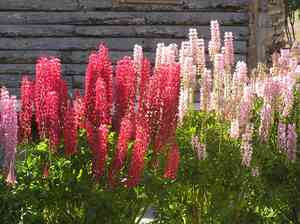
Lupinus polyphyllus can greatly enhance your garden's look with its bright hues and distinct forms.
2
Placing Lupinus polyphyllus in an appropriate spot guarantees peak development and visual harmony.
3
Lupinus polyphyllus fosters ecological diversity and draws in helpful creatures.
Exploring the Function of Garden Lupine in Your Outdoor Space
Visual Impact: How Garden Lupine Adds Color and Texture
A primary characteristic of Garden Lupine is its striking visual appeal. Its vivid hues, spanning from purples and blues to pinks and whites, grab attention and foster a lively atmosphere in your garden. Moreover, the upright, spiky form of Garden Lupine introduces a distinct texture that beautifully contrasts with more rounded or spreading plants. This blend of colors and shapes helps to break up uniformity and inject dynamic interest into any landscape.
Spatial Arrangement: Optimal Placement for Garden Lupine's Aesthetic Benefits
Selecting the appropriate spot to cultivate Garden Lupine is vital for maximizing its visual advantages. Ideally, Garden Lupine should be situated where its height and color can be fully appreciated, such as at the rear of borders or alongside pathways. This not only creates a layered appearance but also allows shorter plants to flourish in the foreground. Ensuring Garden Lupine receives ample sunlight is also crucial, as partial to full sun exposure will encourage lush and robust development.
Integrating Garden Lupine with Other Flora
Complementary Plants: Ideal Companions for Garden Lupine
Pairing Garden Lupine with compatible plants can amplify its beauty and contribute to a more balanced garden ecosystem. Consider planting it alongside perennials like daisies or lilies, which offer a pleasing contrast to Garden Lupine's vertical spikes in both form and color. This combination creates a stunning display that also efficiently utilizes space and light.
Creating Harmony: Color and Growth Rate Considerations
When incorporating Garden Lupine with other plants, it's essential to consider color synergy and growth rates. Choose plants that not only complement Garden Lupine's vibrant shades but also share similar growing conditions. For instance, plants that thrive in well-drained soil and full sun will make perfect partners. This approach ensures all plants grow healthily and that the garden appears cohesive and thoughtfully designed.
Enhancing Biodiversity: Adding Variety with Garden Lupine
Including Garden Lupine in your garden is an excellent method to boost biodiversity. Its blossoms attract a range of pollinators, including bees and butterflies, which aids in pollinating other plants in your garden. This increase in pollinators, in turn, supports a more robust and diverse ecosystem, benefiting both your garden and the local environment.
Seasonal Considerations for Planting Garden Lupine
When to Plant Garden Lupine: Optimal Seasons for Development
Timing is crucial when it comes to planting Garden Lupine. The best period for planting is typically in early spring or fall. Planting during these seasons allows Garden Lupine to establish its root system before encountering summer heat or winter cold. For optimal growth, ensure the soil is well-prepared and weed-free, as this will provide the best conditions for Garden Lupine to thrive.
Maintaining Year-Round Appeal: Tips and Tricks
To keep Garden Lupine looking its best throughout the year, consistent upkeep is essential. Removing spent flowers encourages new blooms and prevents self-seeding, which can lead to overcrowding. Additionally, mulching in the fall can help insulate the roots and retain soil moisture, while pruning in late winter or early spring removes dead foliage and stimulates fresh growth. These simple practices ensure Garden Lupine remains a vibrant and healthy component of your garden year-round.
Long-term Advantages of Including Garden Lupine in Your Garden
Durability and Sustainability: Why Opt for Garden Lupine
A key attribute of Garden Lupine is its resilience and sustainability. Once established, Garden Lupine requires relatively little maintenance and can endure various weather conditions. This makes it an excellent choice for gardeners aiming to create a robust and sustainable landscape. Furthermore, Garden Lupine possesses a deep root system that helps improve soil structure and reduces erosion, further promoting sustainability.
Attracting Wildlife: The Eco-Friendly Benefit of Garden Lupine
Beyond enhancing visual appeal, Garden Lupine also plays a significant role in attracting wildlife. Its flowers produce nectar that draws in pollinators such as bees, butterflies, and even hummingbirds. These pollinators are vital for the health of your garden and help ensure the successful growth of other plants. Moreover, Garden Lupine can offer shelter and food for various beneficial insects, contributing to a balanced and flourishing garden ecosystem.



