The Garden lupine Plant Advantage: Maximizing Home and Office Appeal and Wellness
1
Enhances ground quality through nitrogen fixation.
2
Fosters ecological diversity by drawing in beneficial insects.
3
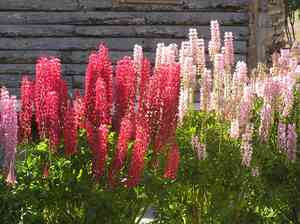
Offers visual appeal with colorful blooms.
How Does Garden lupine Enhance Soil Quality?
Nitrogen Fixation Process
A key advantage of Garden lupine is its capacity to fix nitrogen in the ground. This process involves symbiotic bacteria, called Rhizobia, which colonize the plant's root system. These microbes convert atmospheric nitrogen into a form plants can absorb, significantly boosting soil fertility. Consequently, Garden lupine lessens the need for artificial fertilizers, making your gardening more sustainable and environmentally friendly.
Improving Soil Structure
Garden lupine also contributes to better soil structure. Its deep root systems break up compacted earth, enhancing aeration and allowing water to penetrate more effectively. This characteristic not only benefits the plant itself but also other flora in your garden, creating a superior growing environment for all.
Why Is Garden lupine Beneficial for Biodiversity?
Attracting Pollinators
Garden lupine acts as a magnet for various pollinators, including bees, butterflies, and hummingbirds. The plant's vibrant and colorful blossoms serve as a rich nectar source, supporting the local ecosystem by encouraging cross-pollination. This activity is vital for the reproduction of many plant species and contributes to a balanced, healthy environment.
Supporting Wildlife Habitat
Beyond pollinators, Garden lupine provides shelter and nourishment to a range of other wildlife. Birds, small mammals, and beneficial insects find a home in and around this plant, increasing your garden's biodiversity. The heightened presence of these creatures contributes to the overall health of the ecosystem, making Garden lupine an invaluable addition.
What Are the Aesthetic Advantages of Garden lupine?
Vibrant Blooms
Regarding visual appeal, Garden lupine truly shines. With its tall, spiky flowers in hues from blue and purple to pink and white, it adds a burst of color to any garden. These blossoms typically appear from late spring to early summer, offering a long-lasting display that captures attention and admiration.
Garden Design Versatility
The architectural form of Garden lupine makes it a flexible element in garden design. Whether utilized as a border plant, a focal point, or part of a mixed planting scheme, it integrates well with other perennials and annuals. This adaptability allows gardeners to experiment with various layouts and combinations to craft their ideal outdoor space.
How to Successfully Grow Garden lupine?
Optimal Growing Conditions
Garden lupine thrives in well-drained, slightly acidic to neutral soil. It's best planted in a location receiving full sun to partial shade. Water needs are moderate; excessive moisture can lead to root rot, while too little can hinder its growth. Following these guidelines will help ensure a healthy and flourishing plant.
Maintenance Tips
Despite its robust nature, Garden lupine benefits from regular care. Removing spent flowers encourages new blooms and prevents self-seeding, which can become invasive. Pruning in early spring helps maintain a neat appearance and promotes vigorous growth. With proper attention, Garden lupine can be a long-lasting and rewarding addition to your garden.



