How to Prune Garden lupine?
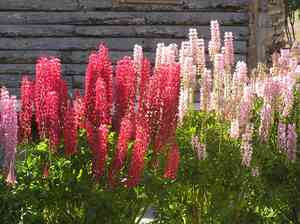
A consistently popular choice due to its vibrant flower stalks, garden lupine flourishes when spent flowers are removed and faded blossoms are trimmed to encourage fresh development. Optimal pruning occurs in early spring before new growth emerges or in late autumn following the flowering period; judicious trimming of the plant preserves its vitality and robustness. Pruning encourages dense foliage and prolific blooming, simultaneously preventing ailments by improving air circulation. Furthermore, well-timed pruning enables cultivators to sculpt the plant for visual attractiveness.
Advantages of Trimming Garden Lupine
Advantages of Trimming Garden Lupine
Trimming garden lupine promotes abundant flowering, stimulates robust development, and maintains an attractive shape. It is crucial for the plant's health and ensures optimal growth.
Optimal Time for Trimming Garden Lupine
Optimal Time for Trimming Garden Lupine
Trimming garden lupine in early spring allows it to direct energy towards new growth, as the plant is emerging from dormancy and hasn't yet invested resources in leaves or flowers. This timing also reduces the risk of disease transmission, as many pathogens are less active in cooler weather. In late fall, after flowering and seed dispersal, trimming garden lupine can prepare it for winter by removing dead or damaged growth, reducing the plant's energy expenditure on nonviable tissues. Additionally, late fall trimming ensures the plant maintains a desired shape and size for the next growing season.
Tools Required for Trimming Garden Lupine
Hand Pruners
Perfect for cutting through the relatively slender stems of garden lupine, hand pruners or secateurs create clean cuts without harming the plant. Opt for bypass pruners over anvil pruners for a cleaner, healthier cut, especially on living tissue.
Pruning Shears
For shaping and maintaining the overall structure of garden lupine, pruning shears are beneficial. They offer precise control and can quickly tidy up the plant's appearance without causing undue stress.
Sharpening Tool
Keep cutting tools sharp to ensure effortless, clean cuts and minimize the risk of disease entry through jagged wounds. A sharpening tool is essential for maintaining the blades of pruners and shears used on garden lupine.
Gardening Gloves
To safeguard hands from thorns and provide a better grip on tools while trimming garden lupine, a good pair of gardening gloves is recommended.
Disinfectant
To prevent the spread of disease when trimming garden lupine, always use a disinfectant like isopropyl alcohol or bleach solution to clean pruning tools between cuts, especially when moving between plants.
How to Trim Garden Lupine
Step1: Examine Plant for Dead Sections
Look for any signs of fading petals, dry and brittle stems, and seedpods that have started to brown and dry out.
Step2: Sanitize Pruning Tools
Gather the appropriate pruning tools, such as sharp bypass pruners or gardening shears, to ensure clean cuts that will not harm garden lupine. Sterilize tools with a bleach or alcohol solution to prevent disease spread.
Step3: Deadhead Spent Flowers
Begin by removing dead flowers, also known as deadheading garden lupine. Pinch or cut the flower stem back to just above a set of leaves or a new flower bud. This encourages garden lupine to produce more blooms and redirects energy away from seed production.
Step4: Cut Back Withered Stems
Identify withered stems on garden lupine that are no longer producing flowers or showing signs of life. Carefully cut these stems as close to the base as possible without harming nearby healthy stems. This improves air circulation and can stimulate new growth.
Step5: Remove Old Seedpods
Locate old seedpods on garden lupine that may still be attached to the plant. Cut the stalk holding the seedpod just above a leaf node or where it meets the main stem. Removing seedpods can prevent unwanted self-seeding and promote a tidier plant appearance.
Step6: Shape Plant After Trimming
Step back and assess garden lupine for overall shape and balance. If further shaping is needed, lightly trim any outlying stems to maintain a pleasing plant form.
Step7: Dispose of Trimmed Material
Clear away all trimmed material from around garden lupine to deter pests and disease. Dispose of or compost the removed plant matter appropriately.
Step8: Water and Fertilize Plant
Water garden lupine if the soil is dry, and apply a balanced fertilizer if necessary to support recovery and new growth after trimming.
Step9: Monitor Plant Regrowth
Monitor garden lupine over the subsequent weeks for new growth. Repeat the trimming process as needed throughout the growing season to maintain the health and aesthetics of garden lupine.
After-Trimming Care for Garden Lupine
After-Trimming Care for Garden Lupine
Immediately after trimming garden lupine, ensure the plant receives adequate indirect sunlight, remains in a moderate environment, and is kept at consistent humidity to reduce stress. Apply a balanced fertilizer to replenish nutrients and encourage regrowth. Monitor garden lupine for wilting, discoloration, or signs of disease, addressing any issues with appropriate horticultural interventions. Regular assessment is vital for the timely identification of complications and the success of post-trimming recovery.
Common Trimming Errors with Garden Lupine
Excessive Trimming Impedes Plant Growth
Trimming garden lupine too aggressively can result in weaker plants with stunted growth, as it requires its foliage to capture the sunlight needed to thrive.
Incorrect Cutting Damages Plant Base
Cutting into the woody base of garden lupine instead of focusing on deadheading spent flowers may accidentally harm the crown and lead to fewer blooms or even plant death.
Unsanitized Tools Spread Diseases
Not disinfecting trimming tools between cuts can spread diseases from one part of garden lupine to another or even between different plants.
Excessive Post-Bloom Foliage Removal Depletes Energy
Removing too much foliage from garden lupine after blooming can exhaust the plant's energy reserves needed for the next season's growth.
General Trimming Advice for Garden Lupine
Deadheading Promotes Reblooming
Use sharp, clean pruning shears to deadhead garden lupine by cutting spent flower spikes back to the first set of leaves to encourage a second bloom and prevent self-seeding.
Fall Trimming Prepares Plant for Winter
Cut back the foliage of garden lupine to about 6 inches from the ground in late fall to prevent disease and pests, and to keep the plant tidy over winter.
Thinning to Enhance Airflow and Growth
Thin out crowded areas of garden lupine to improve air circulation and light penetration, which can reduce the risk of fungal diseases and promote stronger growth.
Remove Unhealthy Foliage After Frost
After the first killing frost, remove any diseased or damaged foliage from garden lupine to maintain plant health and hygiene.



