Boost Growth: How and When to Repot Your Garden lupine Plant
1
The best period to transfer your Garden lupine to a new container is in the spring or winter.
2
It's recommended to re-pot every two to three years for continued vigorous development.
3
Observe for roots circling the pot, a sign your plant requires a bigger vessel.
Why Replant Your Garden lupine?
Understanding the Growth Pattern of Garden lupine
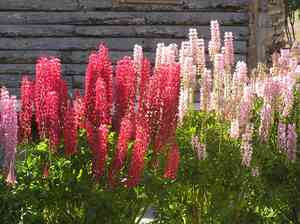
The Garden lupine, recognized for its vibrant, colorful flower spikes, follows a distinct growth pattern that demands regular attention to maintain its health and vigor. During its active growth phase, primarily in spring and summer, the plant's root system expands rapidly. This vigorous growth often necessitates replanting, typically every 2-3 years. Recognizing this cycle is crucial for effective replanting timing.
Identifying Indicators That Your Garden lupine Requires a New Container
Several signs can suggest it's time to replant your Garden lupine: roots emerging from drainage holes, the plant becoming top-heavy, or the soil drying out too quickly after watering. Another indicator is a reduction in flowering, often implying the roots need more room. Observing these cues will help you determine the ideal moment to provide your plant with a new pot.
Advantages of Timely Replanting
Replanting your Garden lupine at the appropriate time ensures the plant continues to thrive. Fresh potting mix supplies essential nutrients and enhances aeration, vital for root health. Furthermore, a larger container allows for greater root development, supporting the plant's overall growth. Prompt replanting will also help prevent root binding, a condition that can severely impede the plant's well-being.
Selecting the Appropriate Pot and Soil for Your Garden lupine
Choosing the Optimal Pot Size and Material
When selecting a new pot for your Garden lupine, choose one that is 2-5 cm (1-2 inches) larger in diameter than the current one. This size difference provides ample space for root growth without being excessive. Regarding material, clay or terracotta pots are ideal as they promote better air circulation. Ensure that any chosen pot has sufficient drainage holes to prevent waterlogging.
The Best Soil Mixture for a Flourishing Garden lupine
A well-draining, loamy soil blend is optimal for Garden lupine. This type of soil keeps the roots dry and prevents water retention, which can lead to root rot. An ideal mix might consist of equal parts garden loam, sand, and compost. Incorporating organic matter, such as compost or well-rotted manure, will further boost nutrient availability.
How to Replant Garden lupine: A Step-by-Step Guide
Preparing Your Garden lupine for Replanting
Begin by thoroughly watering the Garden lupine a day before replanting to facilitate removal. Gather all necessary supplies, including the new pot, fresh soil mix, and gardening gloves. Ensure the workspace is clean to avoid contamination.
Step-by-Step Replanting Method
Gently remove the plant from its current pot by tilting it sideways and carefully loosening the soil around the edges.Inspect the roots for any signs of decay or root binding. Trim any damaged or dead roots.Place a layer of soil mix at the bottom of the new pot.Position the Garden lupine in the center, ensuring it sits at the same soil level as before.Fill in the gaps with the fresh soil mix, pressing lightly to eliminate air pockets.Water the plant generously to settle the soil.
Aftercare: Ensuring a Smooth Adjustment
After replanting, place the Garden lupine in a location with indirect sunlight for a few days to aid its adjustment. Keep the soil slightly moist but avoid overwatering. Monitor for any signs of stress, such as wilting or yellowing foliage. With proper care, your Garden lupine will adapt to its new home and continue to flourish.
Common Questions About Replanting Garden lupine
How frequently should Garden lupine be replanted?
Generally, Garden lupine should be replanted every 2-3 years to provide fresh soil and adequate room for root expansion.
Is it advisable to replant during the blooming season?
It's best to avoid replanting your Garden lupine during its peak flowering season, as this can stress the plant. Instead, aim for early spring or late winter for optimal results.
What are the indicators of shock in Garden lupine after replanting?
Post-replanting shock may be shown by drooping or yellowing leaves, a sudden halt in growth, or wilting. These signs suggest the plant is adjusting to its new environment but should subside with proper care and attention.



