Optimal Soil for Growing Garden lupine: What You Need to Know
1
Garden lupine flourishes in soils that drain effectively and are rich in organic material.
2
The optimal soil acidity for Garden lupine is between 6.5 and 7.5.
3
Consistent soil analysis assists in preserving the ideal soil environment for Garden lupine development.
Optimal Soil Type for Garden Lupine Cultivation
Perfect Soil Makeup
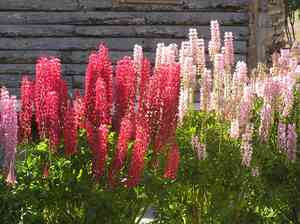
The Garden lupine is a resilient and vibrant plant that can greatly enhance your garden's visual appeal. However, it needs specific soil conditions to flourish. The best soil composition for Garden lupine is one that drains well but retains sufficient moisture to keep roots hydrated. Sandy loam or loamy soil is most suitable, as it offers good drainage while maintaining adequate nutrient levels. Additionally, incorporating organic materials like compost or aged manure can significantly boost soil fertility, providing the essential nutrients for healthy Garden lupine growth.
Preferred Soil pH Levels
Garden lupine plants thrive in slightly acidic to neutral pH levels, ideally between 6.5 and 7.5. This pH range ensures that vital nutrients are readily available to the plant. Testing your soil's pH is crucial before planting. You can use home soil pH test kits or send a soil sample to your local agricultural extension office for more precise results. If your soil's pH falls outside the recommended range, it can be adjusted by adding lime to increase the pH or sulfur to decrease it.
Soil Drainage Requirements
Proper drainage is essential for Garden lupine, as waterlogged conditions can lead to root rot and other diseases. To assess your soil's drainage, dig a hole approximately 30 cm (12 inches) deep and fill it with water. If the water drains within 30 minutes, your soil has good drainage. If it takes longer, you may need to amend your soil with sand or organic matter to improve its structure. Raised beds can also be an excellent solution to ensure adequate drainage for Garden lupine.
Preparing Soil for Garden Lupine Planting
Steps for Soil pH Testing
Testing soil pH is the initial step in preparing your soil for Garden lupine. Here's a straightforward method to test your soil pH:Gather soil samples from various areas of your garden where you intend to plant Garden lupine.Combine the samples in a clean container.Utilize a soil pH test kit by following the manufacturer's instructions.Compare the outcome with the ideal pH range for Garden lupine (6.5 to 7.5).Based on the results, you can take necessary actions to adjust the pH levels to meet the plant's requirements.
Methods to Enhance Soil Quality
Improving soil quality is crucial to create an optimal environment for Garden lupine to thrive. Here are some steps you can take:Add Compost: Enrich the soil with organic matter like compost to boost nutrient content and improve soil structure.Green Manure: Plant cover crops, also known as green manure, which can be tilled back into the soil to add nutrients.Mulching: Apply a layer of organic mulch to retain moisture and suppress weed growth.These methods increase the soil's organic matter, ensuring that Garden lupine receives ample nutrients and grows robustly.
Optimal Soil Amendment Practices
Amending the soil is vital for creating ideal growing conditions for Garden lupine. Here's how to do it effectively:Organic Matter:Incorporate well-rotted compost or manure to improve fertility.pH Adjustment:Use lime to increase pH or elemental sulfur to decrease it.Aeration:If your soil is clay-heavy, add sand or perlite to improve aeration and drainage.By following these practices, you'll create a soil environment that ensures healthy growth and vibrant blooms of Garden lupine.
Maintaining Soil Health for Garden Lupine
Regular Soil Testing Schedule
Maintaining the health of your soil is an ongoing process. Regular soil testing is crucial for keeping track of nutrient levels and pH balance. Aim to test your soil at least once a year, preferably in early spring before planting season. Continuous monitoring helps you make timely adjustments, ensuring Garden lupine enjoys optimal growing conditions throughout the year.
Using Organic Mulches
Organic mulches play a significant role in maintaining soil health for Garden lupine. Mulch helps retain soil moisture, regulate temperature, and suppress weeds. Materials such as straw, shredded leaves, or bark chips are excellent choices. Apply a 5-8 cm (2-3 inches) layer around the base of the plants, ensuring it does not touch the stems to prevent rot.
Managing Soil Erosion
Soil erosion can strip away the topsoil, which is rich in nutrients. To prevent this, use the following methods:Plant Cover Crops:These crops protect the soil during the off-season.Terracing:If you have a sloped garden, terrace the land to reduce runoff.Mulching:Mulching can also prevent soil erosion by protecting the soil surface from the impact of rain.These practices will help maintain soil structure and fertility, ensuring Garden lupine receives all necessary nutrients.
Common Soil Problems for Garden Lupine and Solutions
Addressing Soil Compaction
Soil compaction can severely hinder the growth of Garden lupine by restricting root penetration and water infiltration. To address this, you can:Aerate the Soil:Using a garden fork or mechanical aerator, create holes in the soil to increase air movement and water absorption.Add Organic Matter:Regularly incorporate compost to maintain a loose soil structure.These measures ensure roots have enough space to grow and access water efficiently.
Fixing Poor Drainage Issues
If your garden struggles with poor drainage, Garden lupine may suffer. Here's how to fix it:Raised Beds:Construct raised beds to improve soil drainage and prevent waterlogging.Sand and Organic Amendments:Mix sand and organic matter into the soil to enhance its drainage capabilities.These methods will ensure your Garden lupine avoids water stress and grows vigorously.
Correcting Nutrient Deficiencies
Nutrient deficiencies can manifest as poor growth, discolored leaves, and reduced flowering. To correct these issues:Soil Testing:Identify specific nutrient deficiencies through soil testing.Fertilization:Use balanced fertilizers based on the test results to replenish lacking nutrients.Organic Amendments:Regularly add compost or well-rotted manure to maintain nutrient levels naturally.Addressing nutrient deficiencies promptly will help your Garden lupine maintain its beauty and health.



