How to Propagate Garden lupine?
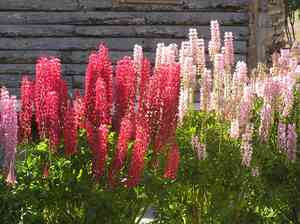
Lupinus polyphyllus reproduces most effectively by planting seeds in the springtime. Their reproduction process is quite straightforward, with successful outcomes indicated by emerging sprouts. Sufficient hydration and soil that drains properly can significantly enhance the rate of success.
Optimal Period for Garden Lupine Propagation?
Propagation Type
Sowing
Propagation Season
Spring
Tools for Garden Lupine Propagation?
Seed trays or pots
These containers offer a controlled setting for seed germination. Utilizing a tray or pot facilitates easy management of soil conditions and moisture levels, crucial for garden lupine seed sprouting.
High-quality seed starting mix
This soil blend provides the ideal texture and nutrient balance for garden lupine seeds to flourish. It ensures proper drainage and support for young seedlings.
Watering can with a fine rose
The gentle stream from a fine rose attachment mimics light rain, ensuring garden lupine seeds and seedlings are watered without being dislodged or harmed by a strong flow.
Clear plastic dome or cover
This item helps maintain consistent humidity and temperature around garden lupine seeds, creating a miniature greenhouse effect that can boost germination rates.
Plant labels and markers
Labels are essential for tracking garden lupine's sowing date and any specific cultivar details. This aids in monitoring progress and organizing multiple trays.
Heat mat (optional)
For garden lupine seeds that benefit from steady warmth, a heat mat can be placed beneath seed trays to encourage faster and more uniform germination.
Grow lights (optional)
If natural light is insufficient, grow lights can supply the necessary light spectrum to support the healthy development of garden lupine seedlings.
How to Propagate Garden Lupine?
Propagation Type
Sowing
Difficulty Level
Easy
Caring for Your Newly Propagated Garden Lupine?
How to Care for Your Newly Propagated Garden Lupine?
Post-Propagation Care: Once garden lupine seedlings are established in their permanent spot, ensure consistent watering, especially during dry spells, to encourage a deep root system. Fertilize lightly in spring. Protect from slugs and snails that might harm young plants. Deadhead spent flowers to promote more blooms and prevent unwanted self-seeding. Cut back the plant in late autumn for a neat appearance and to remove any diseased or dead foliage. Mulching around the base can safeguard roots in colder climates.
Common Mistakes to Avoid When Propagating Garden Lupine
Overwatering
Excessive watering when propagating garden lupine from seeds or cuttings can lead to waterlogged conditions, fostering fungal diseases and root rot. This hinders seed germination and cutting survival, reducing propagation success.
Deep planting
Garden lupine seeds need light to germinate. Planting seeds too deeply obstructs light exposure, lowering germination rates. For cuttings, deep planting might cause the stem to rot before roots form.
Neglecting hygiene
Using contaminated soil or unsterilized tools can introduce pathogens to garden lupine propagation media. Disease can spread quickly, impacting seed germination and the health of new cuttings.
Ignoring seed treatment
Failing to stratify or scarify garden lupine seeds can result in poor germination rates. These treatments are crucial for breaking down the seed's tough outer layer and encouraging sprouting.
Not providing support
Garden lupine can grow tall and may require staking. Without adequate support, soft stem cuttings could bend or break, impeding the development of a strong root system.
Tips For Propagating Garden Lupine
Moisture control
Maintain slightly moist, well-drained soil for garden lupine seeds and cuttings. This prevents waterlogging while providing essential moisture for germination and root development.
Optimal depth
Plant garden lupine seeds no deeper than 1/8 inch, ensuring sufficient light for germination. For cuttings, insert into soil just enough to stand upright without excessive depth to prevent rot.
Sterilization
Sterilize all tools and use fresh, sterile soil when propagating garden lupine to minimize disease risk. This vital step can significantly improve propagation success.
Seed treatment
Before sowing, cold-stratify or gently scarify garden lupine seeds to enhance germination. These methods weaken the seed coat, allowing water to penetrate and initiate growth.
Staking
Provide appropriate staking for garden lupine cuttings to support their growth into mature plants. This prevents bending or breaking, leading to a healthier and more vigorous plant.



