How Much Sunlight Do Garden lupine Need?
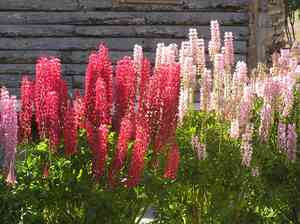
1
Garden lupine flourishes in abundant sunlight but can also endure some dappled light.
2
Strive for a minimum of 6 hours of direct solar exposure daily for peak development.
3
Exposure to morning sun and afternoon shade assists in shielding Garden lupine from extreme temperatures.
Optimal Sunlight for Garden Lupine
Full Sun vs. Partial Shade
For your Garden lupine, understand that this lovely plant generally thrives in full sun. This means it performs best with direct sunlight for most of the day. However, it can also endure partial shade, particularly in warmer regions. When placed in partial shade, the plant still grows, though you might observe fewer flowers. Aim for a location that offers strong morning sun and gentle afternoon shade.
Morning Sun Exposure
Regarding morning sun, Garden lupine is quite fond of it. Early daylight provides the ideal amount of light and warmth before daily temperatures peak. This type of exposure promotes robust growth and abundant flowering. Plan your planting so this perennial receives east-facing sun â a mild morning welcome that reduces the risk of leaf damage.
Afternoon Shade Benefits
Afternoon shade offers crucial advantages, especially in areas where summer afternoons can be scorching. By ensuring your Garden lupine gets some relief from the afternoon sun, you prevent heat stress and help the soil retain vital moisture. Strategically place your lupines where taller plants or structures can shield them when the sun is most intense.
Garden Lupine's Daily Sunlight Requirements
Optimal Daily Sunlight Hours
For peak development, Garden lupine needs at least 6 hours of direct sunlight daily. Those in more moderate climates might find their lupines can even flourish with up to 8 hours of sunlight. Consistent exposure ensures stronger stems and more vivid flower spikes. It's about finding equilibrium; too little sunlight results in leggy growth, while too much can cause wilting.
Seasonal Variations in Sunlight Needs
Garden lupine's sunlight requirements can change with the seasons. During the cooler spring and autumn months, it can handle full sun more comfortably than in summer's heat. Observe your plant's performance throughout the year. In winter, when daylight decreases, ensure your lupine still gets as much light as possible, especially if grown in a greenhouse or indoors.
Positioning Garden Lupine for Maximum Sunlight
Choosing the Best Spot in Your Garden
Selecting the prime location in your garden requires some observation. First, survey your garden to pinpoint areas that receive the most morning sunlight and afternoon shade. Plant your Garden lupine in a spot that maximizes exposure to soft morning rays but offers some protection from harsh afternoon sun. Ideal spots are often the east side of buildings or beneath the partial canopy of taller trees.
Using Garden Structures to Optimize Sunlight
Where natural shade is unavailable, consider employing garden structures like trellises, pergolas, or shade cloths. These can provide the necessary refuge your lupines need from intense midday heat. Garden structures can also enhance your landscape's beauty while ensuring your Garden lupine continues to receive adequate sunlight throughout the day.
Signs Your Garden Lupine Needs More or Less Sunlight
Indicators of Excessive Sun Exposure
Too much sun can lead to leaf scorch, where leaves appear burned or brown at the edges. Another sign is wilting during the hottest part of the day, even if the soil is sufficiently moist. If you notice these symptoms, it might be time to rethink your plant's placement or provide some afternoon shade to lessen the intense heat.
Symptoms of Insufficient Sunlight
If Garden lupine isn't getting enough sunlight, you'll notice several clear signs. Stems may become elongated, stretching for light, with fewer and smaller blooms. Additionally, the leaves might take on a lighter green hue. Providing more direct sunlight can help restore the plantâs vitality and health.
Frequently Asked Questions about Garden Lupine and Sunlight
Can Garden Lupine Grow in Full Shade?
While Garden lupine can endure partial shade, full shade is not conducive to its growth. In full shade, you'll likely see stunted development and minimal flowering. Whenever possible, choose a spot with at least some direct sunlight daily to ensure healthy and thriving lupines.
Is Afternoon Sun Detrimental to Garden Lupine?
Afternoon sun can be harsh on Garden lupine, particularly in hotter climates. The intense heat can cause scorching and stress the plant. Providing some afternoon shade will help your lupine flourish and maintain its beautiful, vibrant appearance. Using garden structures or planting near taller plants can offer the necessary protection.



