How to Transplant Ghost plant?
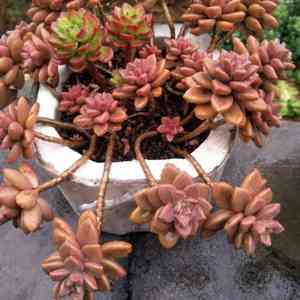
To ensure optimal development for your ghost plant, select mid-to-late spring or mid-to-late autumn for relocation. These periods provide moderate temperatures, ideal for root establishment. Opt for a site with good drainage and exposure to partial or full sunlight. Exercise caution with the fragile foliage when manipulating the specimen.
Essential Preparations Before Relocating Ghost Plant?
Optimal Period for Ghost Plant Relocation?
The best time to move ghost plant is from mid-spring to late-spring or mid-fall to late-fall, as these periods support robust root development, leading to a strong, flourishing plant.
Required Spacing Between Ghost Plant Specimens?
To allow your ghost plant ample room to develop, position them 6-12 inches (15-30 cm) apart during transplantation. This ensures sufficient area for them to expand and thrive.
Ideal Soil Blend for Ghost Plant Transplantation?
For ghost plant, utilize a well-draining soil, such as a cactus or succulent blend, enriched with organic material like compost. Incorporate a slow-release balanced fertilizer for continuous nutrient supply.
Optimal Location for Your Ghost Plant?
Replant your ghost plant in an area receiving partial to full sun exposure. Ensure they get at least 4 hours of direct sunlight daily. However, shield them from intense afternoon sun to prevent leaf burn.
Tools Required Before Transplanting Ghost Plant?
Gardening Gloves
To safeguard your hands while handling soil and the plant.
Trowel
For excavating small holes to extract and replant the ghost plant.
Shovel or Spade
For digging larger holes when moving the ghost plant directly into the ground.
Pruner or Scissor
To trim any damaged or unhealthy roots or foliage prior to transplanting.
Watering Can
To hydrate both the original spot and the new planting site.
Measuring Tape
To ensure correct spacing between plants when relocating multiple ghost plant specimens.
How to Extract Ghost Plant from its Growing Medium?
How to Extract Ghost Plant from its Growing Medium?
- From Ground:First, moisten the ghost plant's soil. Then, excavate a wide trench around the plant using a shovel or spade, ensuring the root ball remains intact. Carefully work the spade beneath the root ball to lift the plant from its initial position.- From Pot:Water the ghost plant in its container to moisten the soil. Grasp the plant's base, and gently invert the pot while tapping the edges to release the root ball. If it doesn't slide out easily, use a long, flexible knife around the pot's inner rim to loosen the soil and roots.- From Seedling Tray:Use a trowel to loosen the soil surrounding the ghost plant seedling. Gently lift the seedling with your hands, being careful not to harm the delicate roots and leaves. If roots are intertwined with other seedlings, use a pruner or scissor to carefully snip away any tangled roots.
Detailed Guide for Transplanting Ghost Plant
Location Selection
Choose a site with adequate sunlight and room for your ghost plant to reach its mature size.
Hole Preparation
Dig a hole approximately twice the width and depth of the ghost plant's root ball. Loosen the soil at the bottom to encourage root expansion.
Plant Examination
Inspect the ghost plant for any damaged or unhealthy roots or leaves and trim them with pruners or scissors.
Root Care
Gently separate the ghost plant's root ball with your fingers to promote outward growth and ease its transition into the new soil.
Positioning the Plant
Place the ghost plant in the hole, ensuring the top of the root ball is level with the surrounding soil. Gently firm the soil around the plant for support and to eliminate air pockets.
Initial Watering
Water the ghost plant immediately after planting to ensure good soil contact with the roots.
Mulching
Apply a layer of mulch around the ghost plant to help retain moisture, suppress weeds, and stabilize soil temperature.
Post-Transplantation Care for Ghost Plant?
Observation
Regularly check the ghost plant for any indications of stress or transplant shock, such as wilting, yellowing, or leaf loss. If needed, provide extra water and shade the plant to aid its recovery.
Watering Regimen
Keep the soil around the ghost plant consistently moist but not waterlogged for the initial weeks after transplanting to help establish strong roots. Gradually reduce watering as the plant settles in.
Frost Protection
Consider safeguarding your ghost plant from frost if temperatures in your region drop below freezing, as this plant can be sensitive to extreme cold. A light blanket or frost cloth can help protect the plant during cold spells.
Pruning
Encourage denser growth by pinching back the ghost plant's growing tips or trimming elongated stems. This will foster a fuller, more compact plant.
Addressing Common Issues with Ghost Plant Transplantation.
What is the optimal season to transplant ghost plant?
The best period for relocating ghost plant is mid to late spring or mid to late fall.
What is the recommended spacing between ghost plant plants?
Maintain a distance of 6-12 inches (15-30 cm) between ghost plant plants for healthy development.
Which soil type is suitable for ghost plant propagation?
Ghost plant thrives in well-draining soil, such as a cactus or succulent mix, to prevent excessive moisture.
How deep should the planting hole be for ghost plant?
Excavate a hole deep enough to cover the roots of the ghost plant, typically 2-3 inches (5-7.5 cm).
What precautions are necessary when handling ghost plant?
Handle ghost plant gently to avoid damaging leaves. Wear gloves to protect your hands from any irritants.
When is the correct time to water ghost plant after transplanting?
Delay watering for a few days after transplanting ghost plant to allow roots time to heal and establish.
How much sunlight does ghost plant require post-transplanting?
Ghost plant needs 6-8 hours of sunlight daily; use partial shade to prevent leaf scorch in hot weather.
How to care for ghost plant during the initial weeks after transplanting?
Monitor ghost plant closely, keeping its soil moderately and consistently moist, not saturated. Gradually increase sunlight exposure.
Should I apply fertilizer when transplanting ghost plant?
Utilize a well-balanced, slow-release fertilizer during transplantation to promote robust growth of ghost plant.
What actions should I take if ghost plant exhibits signs of transplant shock?
Water gently and consistently, provide shade, and avoid fertilizers. Be patient, as recovery may take time.



