How to Overwinter Ghost plant
1
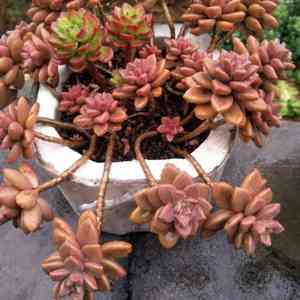
The Ghost plant is resilient to cold temperatures, capable of enduring some frost, yet it needs safeguarding in exceptionally frigid conditions.
2
Ghost plant succulents flourish indoors in ample, diffused sunlight throughout the winter season.
3
Appropriate winter watering is vital for Ghost plants; excessive watering often results in root rot, a frequent problem.
Why Overwinter Ghost plant?
Why Overwinter Ghost plant?
Despite the Ghost plant (Graptopetalum paraguayense) being tolerant to cold, it still requires adequate protection during the severe winter chill. Overwintering this succulent guarantees its survival through harsh weather, maintaining its health, and ensuring a robust start in spring. By relocating plants indoors or providing a controlled setting, you can reduce risks such as frost damage, pests, and diseases.
Preparing Ghost plant for Winter Indoors
Inspecting for Pests and Diseases
Before bringing your Ghost plants inside, thoroughly check them for any pests or disease symptoms. Look for aphids, mealybugs, and spider mites hidden in crevices. If found, treat the plant with an appropriate insecticidal soap or homemade solution and make sure to isolate it from your other indoor plants for a few days.
Pruning and Cleaning
Remove any dead or dying leaves and stems to encourage healthy growth and decrease the likelihood of pest problems indoors. A quick tidy-up can also improve the aesthetic appeal of your Ghost plant, making it a lovely addition to your indoor garden during the colder months.
Repotting if Necessary
If your Ghost plant has outgrown its container or if the soil drains poorly, consider repotting it before winter. Select a well-draining soil mix formulated for succulents and a pot with drainage holes. This step can prevent root rot and ensure your plant has ample room to flourish.
Indoor Care During Winter
Lighting Requirements
Succulents like the Ghost plant need ample light, even in winter. Position them near a south-facing window where they can receive at least 6 hours of bright, indirect sunlight daily. If natural light is insufficient, consider using grow lights to supplement their needs.
Watering Schedule
Excessive watering is the primary cause of issues for indoor succulents. During winter, adjust your watering routine to account for slower growth and reduced evaporation rates. Water your Ghost plant sparingly, allowing the soil to completely dry out between waterings. Typically, watering once every 2-4 weeks should be sufficient.
Temperature and Humidity
Ghost plants prefer cooler temperatures during the winter, ideally between 10°C to 21°C (50°F to 70°F). Avoid placing them near drafts, heating vents, or cold windowsills. While these succulents are not particular about humidity levels, maintaining a balance can help them thrive. If the air is too dry, consider using a humidifier.
Common Issues and Troubleshooting
Yellowing Leaves
Yellowing leaves can indicate overwatering or insufficient light. Review your watering habits and ensure your plant is receiving enough light. Adjusting these factors can help revive your Ghost plant.
Root Rot
Root rot is a frequent problem resulting from excessive watering. Signs include a soft stem or an unpleasant smell. If you suspect root rot, remove the plant from its pot, trim away rotted roots with sanitized scissors, and replant it in fresh, well-draining soil.
Pest Infestations
Indoor environments can sometimes lead to pest problems. Regularly check your Ghost plant for pests like aphids and spider mites. Use insecticidal soap or neem oil as a treatment and ensure the plant is healthy to prevent infestations.
When and How to Move Your Ghost plant Back Outdoors
Timing the Move
Wait until there is no risk of frost and nighttime temperatures consistently remain above 10°C (50°F) before relocating your Ghost plants back outside. Typically, this occurs around late April to early May.
Acclimating the Plant
Gradually acclimate your Ghost plant to outdoor conditions to prevent shock. Begin by placing it in a shaded area for a few hours each day, slowly increasing exposure to sunlight over one to two weeks. This process, known as 'hardening off,' helps the plant adjust to brighter light and temperature fluctuations.



