Optimal Soil for Growing Ghost plant: What You Need to Know
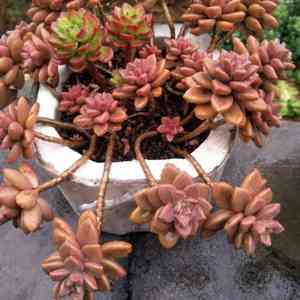
1
For Ghost plants, a soil blend that drains effectively is essential to avoid root decay.
2
Ghost plants thrive in soil with a pH level ranging from 6 to 7.5, facilitating excellent nutrient absorption.
3
Incorporating perlite or sand can improve the soil's air circulation and drainage, vital for the well-being of Ghost plants.
Why Growing Medium Matters for Ghost Plant
The Function of Substrate in Plant Vitality
The growing medium is crucial for a plant's overall well-being. It serves as a storage for hydration and vital nutrients, both indispensable for plant development. For the Ghost plant, the correct substrate guarantees roots receive ample oxygen, crucial for avoiding issues like root decay. Healthy soil fosters robust growth, boosts the plant's resistance to pests and diseases, and supports its distinctive, appealing look.
Specific Requirements of Ghost Plant
The Ghost plant flourishes in well-draining, sandy substrate that mimics its natural arid habitat. Unlike many indoor plants, it cannot tolerate consistently wet roots, making proper soil selection even more vital. This species also benefits from a slightly acidic to neutral pH range, between 6 and 7.5, which optimizes nutrient uptake.
Optimal Substrate Composition for Ghost Plant
Key Components
The essential elements of an ideal growing mix for Ghost plant include a blend of organic matter and mineral-based constituents. A typical combination comprises:40% potting soil for nourishment40% coarse sand or perlite for aeration and drainage20% peat or coconut coir for retaining moisture without saturation
Recommended Soil pH Level
The perfect substrate pH for Ghost plant ranges from 6 to 7.5. This range ensures that critical nutrients remain accessible to the plant. Soil that is excessively acidic or alkaline can bind nutrients, rendering them unavailable, which may lead to deficiencies and poor development.
Crafting the Perfect Growing Medium Mix
DIY Substrate Mix Formula
Creating a homemade growing medium for your Ghost plant is both straightforward and economical. Here's a proven recipe:2 parts potting soil1 part coarse sand or perlite1 part peat moss or coconut coir Blend these ingredients thoroughly to ensure even distribution of nutrients and effective drainage.
Commercial Substrate Alternatives
For those who value convenience, several commercial growing media are appropriate for Ghost plant. Seek out cactus or succulent soil mixes, as these are formulated to provide excellent drainage and the correct pH balance. Well-known brands include Miracle-Gro and Black Gold.
Advice for Blending and Testing Substrate
When preparing your mix, ensure all elements are thoroughly combined to prevent areas of insufficient drainage. Testing your growing medium before planting can avert potential complications. Monitor the pH using an easy-to-use soil test kit found at garden centers. Adjust as needed with lime to increase pH or sulfur to decrease it.
Drainage Requirements for Ghost Plant
Significance of Free-Draining Substrate
Free-draining substrate is imperative for the Ghost plant's prosperity. Insufficient drainage leads to waterlogged roots, which suffocate and decay, ultimately causing plant demise. Ensuring that surplus water can readily exit the pot is vital for maintaining healthy root systems.
Incorporating Perlite or Sand
Adding perlite or coarse sand to your growing mix considerably improves drainage and air circulation. Perlite is particularly advantageous as it holds air while preventing substrate compaction. Aim to include approximately 25-30% of these materials in your mix to achieve optimal outcomes.
Utilizing Containers with Drainage Openings
Always use containers equipped with drainage holes when cultivating Ghost plant. These apertures permit excess water to escape, preventing the growing medium from becoming overly saturated. If you favor decorative pots without holes, employ them as outer containers and place a smaller, well-draining pot inside them.
Common Substrate Issues and Resolutions
Recognizing Poor Substrate Conditions
Indicators of inadequate growing medium conditions for Ghost plant include yellowing foliage, stunted development, and a soft stem, often signaling waterlogged substrate. Conversely, very dry substrate can cause leaves to shrivel and detach. Regularly inspect the substrate's moisture and texture to identify problems early.
How to Rectify Substrate Problems
If your growing medium isn't draining effectively, consider repotting with a more porous mix. For excessively dry substrate, increase organic matter such as peat or coconut coir to improve moisture retention. Correcting pH imbalances might involve incorporating amendments like lime or sulfur based on test results.
Seasonal Substrate Care for Ghost Plant
Substrate Care During Colder Months
Throughout winter, Ghost plant growth slows, necessitating less frequent irrigation. Ensure the growing medium is dry to the touch before re-watering. If required, extend watering intervals and avoid letting the substrate become waterlogged to prevent root rot.
Substrate Care During Warmer Months
In summer, Ghost plant may experience more rapid growth and demand more frequent watering. However, always verify that the growing medium dries out between watering sessions. Enhance drainage if necessary and consider adding a small amount of organic compost to revitalize the substrate.



