How Much Sunlight Do Ghost plant Need?
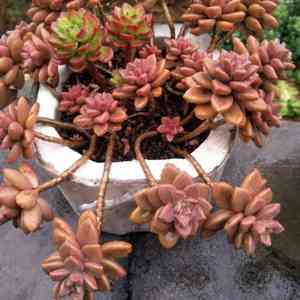
1
Ghost plants flourish with a minimum of six hours of direct sun each day.
2
For outdoor Ghost plants, a spot receiving morning sun and afternoon indirect light is optimal.
3
Excessive light exposure can cause leaf scorching, whereas insufficient light results in stretched, elongated stems.
What is the Perfect Sunlight for Ghost plant?
Full Sun Versus Partial Shade
When seeking the optimal sunlight for your Ghost plant, the general guideline is they thrive in ample sun! These robust succulents flourish under full sun exposure, meaning at least six hours of direct sunlight daily. Nevertheless, they can withstand partial shade, especially during intense summer heat. A location receiving morning sun and some afternoon shade can be an effective compromise, particularly in areas with extremely hot climates.
Daily Light Needs
Ghost plants demand considerable sunlight to reach their peak health and vibrancy. Aim for roughly six to eight hours each day. Indoors, positioning them near a south or west-facing window should suffice, as these windows typically receive more light throughout the day. If your Ghost plant isn't getting sufficient natural light, it may begin to stretch, a condition known as etiolation, where the plant becomes elongated and extends towards its light source.
Seasonal Light Variations
Seasonal shifts can influence the amount of sunlight your Ghost plant receives. During winter, daylight hours shorten, and light intensity diminishes. It might be necessary to relocate your plant to a brighter spot or supplement with artificial light during this period. Conversely, in summer, excessive direct sunlight for prolonged durations can cause sunburn, so a bit of afternoon shade can safeguard your plant during the warmest parts of the day.
How to Position Your Ghost plant for Optimal Sunlight?
Best Indoor Placements
Indoors, the most favorable spot for your Ghost plant is a well-lit, sunny area. A south or west-facing window is frequently ideal, as these orientations usually provide the longest duration of sunlight during the day. If you observe your plant leaning or extending towards the light, it may not be receiving enough. Rotating the plant every few weeks can ensure balanced growth and prevent any one side from becoming overly elongated.
Recommended Outdoor Sites
When situating your Ghost plant outdoors, consider locations that receive ample morning sun and some afternoon shade. Too much direct sun during the hottest part of the day can result in leaf scorching. Perfect spots include patios, balconies, or garden beds that get filtered sunlight. If you reside in an area with intense summer heat, providing some shade during peak hours will keep your plant looking its best.
Utilizing Artificial Illumination
If natural sunlight is inadequate, particularly in winter months, employing artificial lighting can be beneficial. Full-spectrum grow lights that mimic natural sunlight are superb options for indoor Ghost plants. Position the light approximately 15-30 cm (6-12 inches) from the plant and aim for about 12 to 16 hours of light daily, which offsets shorter daylight hours and ensures your plant flourishes regardless of the season.
What are the Indicators of Too Much or Too Little Sunlight for Ghost plant?
Symptoms of Excessive Exposure
Overexposing your Ghost plant to intense sunlight can lead to sunburn, evident by scorched or brown, brittle patches on the foliage. The leaves may also develop a whitish hue before burning, which signals an immediate need to move the plant to a shadier location.
Symptoms of Insufficient Exposure
Lack of adequate sunlight can cause your Ghost plant to stretch for more light, resulting in elongated and spindly growth. The plant may also lose some of its vibrancy and coloration, appearing pale or dull. A clear sign of insufficient light is if the gaps between leaves on the stem start to visibly increase in length.
Corrective Actions
For overexposed plants, relocating them to a spot with partial shade and progressively reintroducing them to direct sunlight can prevent shock. In instances of underexposure, moving your Ghost plant to a brighter area or incorporating grow lights can stimulate healthier development. Regularly turning the plant can also ensure uniform light distribution.
FAQ: Common Inquiries about Ghost plant and Sunlight
Can a Ghost plant Thrive in Dim Light?
While Ghost plants can temporarily endure low light conditions, they will not prosper and will exhibit poor growth over time. They require substantial light to maintain their compact and vivid appearance. If kept in dim light long-term, they might become leggy and lose their distinctive charm.
Is Direct Sunlight Detrimental?
Direct sunlight in moderation is not only safe but advantageous for Ghost plants. However, intense, all-day direct sunlight, especially in very hot climates, can harm your plant by causing leaf burn. A balance of bright light and some midday shade works optimally.
How to Acclimate a Ghost plant to a New Light Environment?
Gradual acclimatization is crucial when shifting your Ghost plant to a new light environment. Begin by exposing the plant to the new light conditions for just an hour or two each day, progressively increasing the duration over one to two weeks. This minimizes the risk of shock and helps the plant adapt smoothly.



