Boost Growth: How and When to Repot Your Ghost plant Plant
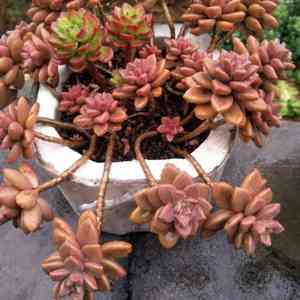
1
Repot your Ghost plant optimally in spring or winter.
2
Ghost plants thrive in a well-draining soil blend, preferably with perlite or sand.
3
Select a pot marginally bigger than its current one to prevent overwatering.
Why Replant Your Ghost Plant?
Understanding the Ghost plant's growth pattern
The Ghost plant, a succulent, is known for its robust, drought-tolerant characteristics. Grasping its growth cycle is vital for the plant's prosperity. Typically, the Ghost plant's active growth phase occurs during spring and early summer. This makes spring an ideal time for replanting, as the plant is actively developing and can better adapt to a new setting. However, in certain instances, winter can also be suitable, particularly if the plant exhibits signs of distress.
Recognizing indicators that your Ghost plant requires a new container
Several clues suggest your Ghost plant needs replanting. The clearest sign is when roots extend beyond the current pot, often visible through drainage holes. You might also observe the soil drying out rapidly after watering, stunted growth, or yellowing foliage. These symptoms indicate the plant lacks sufficient nutrients or room to expand, underscoring the need for a larger pot and fresh substrate.
Selecting the Appropriate Container and Growing Medium
Choosing the perfect pot size and material
When picking a new container for your Ghost plant, it's crucial to select one only slightly larger than its current pot. An oversized pot can retain too much moisture, potentially causing root rot. Terracotta pots are an excellent option due to their porous nature, which promotes better air circulation. Ensure the pot has drainage holes to prevent water accumulation at the bottom, thereby reducing the risk of overwatering.
The optimal soil blend for your Ghost plant
The Ghost plant thrives best in a well-draining soil. A good mixture typically includes perlite or sand combined with standard potting soil. You can either buy a specialized succulent soil blend or create your own by mixing equal parts potting soil, perlite, and coarse sand. This combination ensures water flows through the soil easily, preventing it from becoming waterlogged.
Steps for Replanting Your Ghost Plant
Preparing your Ghost plant for replanting
Before you begin replanting, thoroughly water your Ghost plant a few days beforehand. This will facilitate easier removal of the plant from its current container. Gather all necessary items, including the new pot, fresh soil mix, and tools. Confirm that the new pot is clean to prevent any potential contamination.
Moving to the new container
Gently take the Ghost plant from its current pot by holding the base and inverting it. Shake off any old soil clinging to the roots. Place a layer of soil mix at the bottom of the new pot, position the plant, and fill in around the roots with the remaining soil. Avoid compacting the soil too tightlyâit should be loose enough to allow air circulation around the roots.
Post-care for successful adaptation
After replanting, lightly water your Ghost plant to help settle the soil. Position the plant in a spot receiving bright but indirect sunlight. Avoid immediate exposure to direct sun after replanting to prevent stress. Monitor your plant over the next few weeks and adjust its care routine as needed. Allow the plant to gradually adapt to its new surroundings.
Ideal Conditions After Replanting
Light, watering, and placement recommendations
Following replanting, your Ghost plant will benefit from bright, indirect illumination. Direct sunlight can scorch the leaves, especially after the stress of being moved. Water the plant moderately, allowing the soil to completely dry out between waterings. Excessive watering is a common error and can lead to root rot. The aim is to replicate the plant's natural habitat, where it would experience dry spells between rainfall.
When to fertilize your recently replanted Ghost plant
Refrain from fertilizing your Ghost plant immediately after replanting. It's best to wait approximately one month to allow the plant to adjust to its new pot and soil. Once acclimated, you can resume feeding the plant with a balanced, water-soluble fertilizer diluted to half strength. Fertilize during the active growth period in spring and summer, and reduce frequency during the autumn and winter months.



