How to Transplant Western redbud?
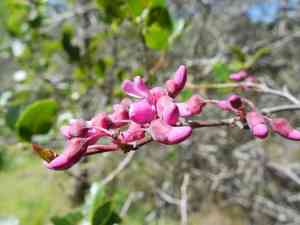
The ideal period for relocating western redbud is during the early to mid-spring season. Select a location that receives full sun to partial shade and possesses soil with good drainage. To ensure successful establishment, ready the new site in advance, and provide consistent irrigation after the move.
What Preparations are Needed Before Transplanting Western Redbud?
What is the Ideal Time for Transplanting Western Redbud?
The optimal period to move western redbud is during the onset of spring's revitalization, typically from early to mid-spring. This timing allows western redbud's root system ample opportunity to establish itself in its new spot before the rigors of summer heat. Relocating western redbud at this point leverages spring's natural vitality, providing the plant a strong start in its new home. By transferring western redbud in the milder spring temperatures, you foster its growth potential, setting the stage for a flourishing display.
How Much Space Should You Leave Between Western Redbud Plants?
Ensure adequate spacing for western redbud to achieve optimal development. An ideal distance would be approximately 4-5 feet (1.2-1.5 meters) apart. This separation will enable the plant to grow robustly and expand.
What is the Best Soil Mix for Western Redbud Transplanting?
Western redbud thrives in well-draining soil, enriched with organic compost. Incorporate a foundational fertilizer into the soil before planting, such as a slow-release granular 10-10-10, to supply necessary nutrients.
Where Should You Relocate Your Western Redbud?
Select a site where western redbud receives full sun or partial shade. Morning sun and afternoon shade are perfect. Remember, sufficient sunlight promotes vigorous growth and abundant blooms.
What Equipments Should You Prepare Before Transplantation Western Redbud?
Gardening Gloves
To safeguard your hands from soil and potential cuts while handling the western redbud.
Garden Trowel
Used for excavating smaller holes or shifting minor quantities of soil. Perfect for managing western redbud seedlings.
Spade
Necessary for digging and lifting larger sections of soil during the removal and replanting process of western redbud.
Pruning Shears
Utilized for snipping off any damaged roots or branches of the western redbud plant.
Watering Can or Hose
Required to hydrate the western redbud plant both before and after its relocation.
Wheelbarrow
For transporting the western redbud plant and its soil from one spot to another, especially if it's a larger specimen.
Burlap or Tarp
Used to encase the root ball of the western redbud plant during transit to prevent harm and dehydration.
How Do You Remove Western Redbud from the Soil?
How Do You Remove Western Redbud from the Soil?
From Ground: Begin by thoroughly watering the western redbud plant to ensure its root ball is moist and easier to manage. Using a spade, dig a wide circle around the plant to encompass all its roots. The trench should be deep enough to include the entire root system, aiming for about a foot deep. Carefully slide the spade beneath the root and lift it gently.From Pot: Start by saturating the soil in the pot with ample water. Invert the pot and gently tap its rim on a firm surface, such as a table or the ground. The western redbud plant should slide out with the soil and roots intact. If it's stuck, use a garden trowel to loosen the sides.From Seedling Tray: Gently grasp the stem of the western redbud seedling and turn the tray upside down. Shake the tray lightly until the seedling slides out with its root and soil undamaged.
Step-by-Step Guide for Transplanting Western Redbud
Digging
Clear any weeds, rocks, or debris from your chosen planting site. Excavate a hole two to three times wider but identical in depth to the western redbud's root ball. Keep the excavated soil nearby.
Prepping the Plant
Once extracted, place the western redbud plant on a tarp or burlap to safeguard its roots. Trim any damaged or excessively long roots with your pruning shears.
Placing the Plant
Position the western redbud plant centrally in the hole, ensuring it stands upright. The plant's uppermost roots should be at or slightly below the ground surface.
Filling the Hole
Backfill the hole with the removed soil. Gently compact it around the western redbud's root ball until the hole is filled and the plant is stable.
Watering
Provide the western redbud plant a thorough watering immediately after transplanting to settle the soil and initiate the growth process.
How Do You Care For Western Redbud After Transplanting?
Irrigation
For the initial few months, water the western redbud weekly, ensuring the soil is thoroughly moist but not waterlogged. This promotes deep root development.
Pruning
During its first growing season, you might need to occasionally prune the western redbud to maintain its form and enhance air circulation. Use sharp pruning shears for this task.
Mulching
Apply a 2-3 inch layer of mulch around the western redbud to help retain moisture and suppress weed growth. Avoid piling it against the stem to prevent rot.
Monitoring
Watch for any indications of wilting or discoloration, which could signal transplant shock. You may need to provide additional watering or shade during the hottest part of the day.
Troubleshooting Common Issues with Western Redbud Transplantation.
When is the best time to transplant western redbud?
The optimal period to relocate western redbud is, indeed, between seasons S1 and S2. This is when the plant's growth is most receptive to new surroundings.
What is the optimal spacing for western redbud?
For best growth and blossom, maintain a distance of about 4-5 feet (1.2-1.5 meters) between each western redbud plant.
How deep should I plant western redbud when transplanting?
Western redbud should be planted at approximately the same depth as it was in its previous location. Planting too deep can hinder its proper growth.
How do I prepare the soil when transplanting western redbud?
For western redbud, enrich the soil with organic compost. Ensure it's well-draining as water-logging can harm this plant species.
Should I fertilize western redbud after transplanting?
Yes, your western redbud will appreciate a boost after transplanting. Use a slow-release, low-nitrogen fertilizer to nourish its growth.
What precautions should I take while Transplanting western redbud?
While transplanting, effectively support the root ball and take care not to damage roots. Gentle handling encourages successful resettlement.
My transplanted western redbud looks unhealthy, what can that be?
Transplant shock can cause western redbud to look unhealthy. Regular watering, shade, and avoiding pruning can assist recovery.
How much sunlight does a transplanted western redbud require?
Western redbud prefers full sunlight to partial shade. However, protect the newly transplanted western redbud from intense, direct sunlight to prevent scorching.
What kind of watering schedule should I follow for a transplanted western redbud?
For the first few weeks after transplanting, western redbud needs frequent watering. Once established, lessen to as needed, but don't let the plant dry out.
Is there a best way to transplant western redbud to reduce shock?
Yes, water western redbud thoroughly before and after transplanting to help alleviate transplant shock. Also, transplant on a cloudy day or in late afternoon to reduce stress.



