How to Propagate Western redbud?
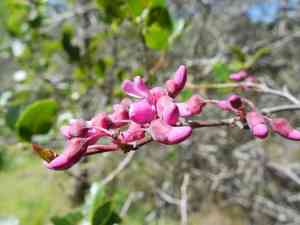
The most suitable period for multiplying western redbud is during the fall and winter, utilizing favored techniques such as cuttings and air layering. Achieving successful propagation, which is moderately challenging, is indicated by the development of roots and fresh shoots. Ensure ideal humidity levels for enhanced outcomes.
Optimal Time for Western Redbud Propagation
Propagation Method
Cutting
Propagation Period
Autumn,Winter
Essential Tools for Western Redbud Propagation
Sharp pruning shears or scissors
To take cuttings from western redbud, very sharp pruning shears or scissors are vital for clean cuts that avoid stem damage. A clean cut helps prevent infection and promotes better rooting.
Rooting hormone powder or gel
Applying rooting hormone to the cut end of western redbud cuttings encourages quicker and more dependable root formation. This substance stimulates root growth and can significantly boost the success rate of western redbud propagation.
Sterile potting mix
A well-draining and sterile potting mix offers the necessary conditions for western redbud cuttings to root. The mix's sterility prevents fungal or bacterial growth that could harm developing roots.
Propagation trays or small pots
Trays or small pots are used to hold western redbud cuttings during the rooting phase. They should provide adequate drainage and sufficient room for new root development.
Plastic covers or humidity domes
Maintaining high humidity around western redbud cuttings is crucial to prevent water loss through transpiration. Plastic covers or humidity domes over propagation trays help maintain the required humidity.
Plant labels and a marker
Using labels allows for proper identification and tracking of western redbud cuttings, especially when propagating multiple specimens or varieties. Accurate record-keeping ensures each cutting receives appropriate care.
Watering can with a fine rose
Western redbud cuttings require gentle watering to avoid dislodging newly forming roots. A watering can with a fine rose attachment delivers water gently and uniformly, minimizing soil disturbance.
Heating mat (optional)
Providing bottom heat can enhance the rooting success of western redbud cuttings. A heating mat set at a moderate temperature encourages root growth without overheating the cuttings.
Caring for Your Newly Propagated Western Redbud
Caring for Your Newly Propagated Western Redbud
After successful propagation, continue to care for western redbud by gradually exposing it to more sunlight, ensuring it avoids intense afternoon sun. Water the new western redbud regularly to maintain consistently moist soil, but be careful not to overwater. As the plant grows, introduce a balanced fertilizer during its active growth season. When the plant is robust enough, transplant it to its permanent location, keeping in mind western redbud's preference for well-draining soil and a sunny to partial shade environment.
Common Errors to Avoid When Propagating Western Redbud
Overwatering cuttings
Excessive watering of western redbud cuttings can lead to root rot, hindering the development of a strong root system essential for successful propagation.
Too much sunlight
Exposing western redbud cuttings to direct sunlight can cause them to overheat and dehydrate, impeding rooting and growth.
Improper soil mix
Using an unsuitable soil mix can obstruct drainage and aeration, which are vital for western redbud's root development.
Neglecting humidity
Failing to maintain a high humidity environment for western redbud cuttings can cause them to dry out, reducing the chances of successful rooting.
Planting cuttings too deep
Inserting western redbud cuttings too deeply into the propagation medium can suffocate developing roots and decrease the cuttings' survival rate.
Advice for Propagating Western Redbud
Use healthy mother plant
Selecting a disease-free and vigorous mother plant ensures that western redbud cuttings have a strong genetic foundation, crucial for successful propagation.
Appropriate cuttings length
Taking western redbud cuttings that are neither too long nor too short (typically 4-6 inches) promotes optimal root development and plant health.
Rooting hormone
Applying a rooting hormone to western redbud cuttings can stimulate root growth and increase the percentage of cuttings that successfully root.
Proper soil mix
Utilizing a well-draining soil mix enriched with organic matter facilitates root growth for western redbud and helps prevent waterlogging.
Controlled environment
Propagating western redbud in a controlled environment, such as a greenhouse or under a humidity dome, provides a stable atmosphere conducive to rooting and early growth.



