Enhancing Your Garden Design with the Western redbud Plant: A Landscaping Guide
1
The vivid hues and seasonal transformations of the Western redbud can greatly elevate your garden's aesthetic charm.
2
Western redbud offers sufficient adaptability for integration into diverse landscaping approaches, ranging from classic to contemporary.
3
Incorporating Western redbud into your outdoor space not only enhances its beauty but also supports local ecological diversity and air purity.
Appreciating the Visual Charm of Western Redbud
Distinctive Color Range: Describing Western Redbud's vivid shades
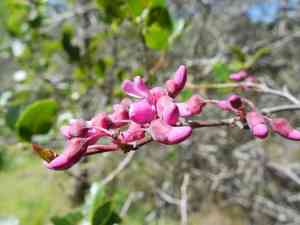
A key characteristic of Western Redbud is its striking color palette. Featuring hues from deep magenta to soft pink, Western Redbud offers a burst of color that can invigorate any garden. These lively tones not only capture attention but also complement various other garden elements. In spring, the blooms stand out brilliantly against the fresh green leaves, creating an unforgettable visual display. Placing Western Redbud near neutral or green-dominated areas can make those spaces come alive with color.
Seasonal Transformations: Highlighting Western Redbud's changes throughout the year
One of the enchanting aspects of Western Redbud is its capacity to change with the seasons. In spring, Western Redbud erupts in a profusion of colorful flowers, symbolizing life's renewal. As summer progresses, the blossoms are replaced by lush green leaves that provide a cool, tranquil backdrop. When autumn arrives, Western Redbud's foliage transforms into a warm mix of yellows and reds, offering a stunning contrast to the cooler temperatures. Even in winter, its bare branches add a unique structural beauty, creating interest in an otherwise stark landscape.
Structural Features: Discussing Western Redbud's overall form and dimensions
Western Redbud possesses a unique shape that distinguishes it from other plants. It typically grows as a small tree or multi-stemmed shrub, reaching up to 15-20 feet in height and 10-15 feet in width. Its rounded crown and spreading canopy can create a welcoming shaded area, ideal for relaxing on warm summer days. The branches have a graceful, arching quality that adds elegance and softness to the overall garden design. This structural versatility makes Western Redbud suitable for various landscaping plans, whether as a focal point or a complementary element in a larger scheme.
Integrating Western Redbud into Diverse Landscaping Styles
Formal Gardens: Western Redbud's suitability for structured designs
If you're aiming for a formal garden, Western Redbud can be an excellent addition to your design. Its consistent growth habit and striking colors can add a touch of sophistication and precision to structured gardens. Use Western Redbud as part of a symmetrical arrangement, perhaps as a central feature flanked by neatly trimmed hedges or organized flower beds. The contrast between Western Redbud's natural curves and the straight lines of a formal garden creates an engaging visual interplay, blending rigidity with fluidity.
Cottage Gardens: How Western Redbud enhances an informal garden setting
Western Redbud is also perfect for more relaxed, informal garden settings like cottage gardens. Its natural growth and colorful blooms contribute to the informal charm, making it an ideal fit for this type of landscape. Imagine Western Redbud planted among a mix of perennials, annuals, and climbing plants - its seasonal flowers will add layers of interest and depth. The whimsical nature of cottage gardens, filled with blooming archways and winding paths, gets a lively boost with the inclusion of Western Redbud.
Modern Landscapes: Utilizing Western Redbud in contemporary outdoor areas
For those who prefer a modern aesthetic, Western Redbud can be seamlessly incorporated into contemporary designs. Its bold colors and unique form can serve as a focal point in minimalist landscapes. Picture Western Redbud against a backdrop of concrete or steel structures, where its vibrant blossoms and defined shape provide a striking contrast. This juxtaposition of natural beauty and modern elements can create a sophisticated, stylish garden space that stands out.
Pairing Western Redbud with Complementary Plants
Choosing Harmonious Colors and Textures
To maximize Western Redbud's aesthetic appeal, it's crucial to pair it with plants that complement its color and texture. Plants with varying hues, such as white, yellow, or even deep purples, can harmonize beautifully with Western Redbud's vibrant blossoms. Texturally, Western Redbud pairs well with plants that have slender, delicate foliage to create a balanced and cohesive look. Ground covers with fine leaves or grasses can accentuate Western Redbud's shape and form, making your garden appear curated and thoughtful.
Maintaining Balance and Contrast in Planting
Achieving balance and contrast in the garden is vital for a well-rounded appearance. When planting Western Redbud, consider the height, spread, and growth habits of nearby plants. Taller plants or those with a more upright growth can provide a balanced backdrop. Conversely, low-growing shrubs can create an underlayer that highlights Western Redbud's canopy. Mixing different types of foliage â broad leaves with needle-like leaves, smooth textures with rough â can add depth and interest to your overall design.
Example Pairings for Optimal Visual Impact
Specific examples of plant pairings with Western Redbud can guide you toward creating a high-impact garden. For instance, pairing Western Redbud with lavender or salvia can enhance the color scheme and attract pollinators like bees and butterflies. Additionally, combining Western Redbud with ornamental grasses or low-maintenance ground covers like creeping thyme can provide a lush and vibrant carpet, highlighting Western Redbud's stunning foliage and flowers. Experimenting with different combinations can help you find the perfect synergy for your landscape.
Seasonal Care Advice for Preserving Western Redbud's Aesthetic
Spring and Summer Care: Essentials for Robust Growth
To keep Western Redbud looking its best during spring and summer, consistent care is necessary. Regular watering, especially during dry periods, ensures the plant remains healthy and vibrant. Mulching around the base can help retain moisture and regulate soil temperature. Pruning after flowering can promote new growth and maintain its shape. Feeding Western Redbud with a balanced fertilizer during the growing season can also encourage abundant blossoms and foliage, enhancing its visual appeal.
Fall and Winter Preparation: Ensuring Year-Round Beauty
Preparing Western Redbud for fall and winter involves several key steps. As temperatures drop, reduce watering to prevent root rot. Adding a layer of compost or mulch before winter's onset can protect the roots from freezing. Pruning dead or damaged branches ensures the plant remains healthy and aesthetically pleasing year-round. Even in dormancy, Western Redbud's structure can add a dramatic element to your winter garden. Regular checks for pests and diseases can prevent future issues and keep Western Redbud thriving through the seasons.
The Environmental Advantages of Including Western Redbud in Your Garden
Boosting Local Biodiversity with Western Redbud
Including Western Redbud in your garden not only enhances its beauty but also supports local biodiversity. Western Redbud attracts various pollinators, including bees, butterflies, and hummingbirds, contributing to your area's ecological health. Birds can find shelter and food in Western Redbud, increasing wildlife presence in your garden. The additional habitat provided by Western Redbud helps sustain local animal and insect populations, creating a livelier and more balanced ecosystem.
Contribution to Air Quality and Climate
Western Redbud plays a role in improving air quality and combating climate change. Like other plants, Western Redbud absorbs carbon dioxide and releases oxygen, helping to purify the air. Its leafy canopy can provide shade, reducing the urban heat island effect and lowering the need for air conditioning. By incorporating Western Redbud into your landscape, you contribute to a greener, healthier environment that benefits not just your immediate surroundings but also the broader community.



