Optimal Soil for Growing Western redbud: What You Need to Know
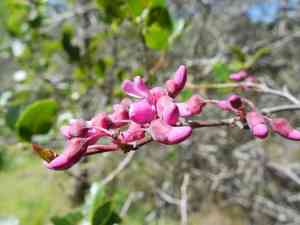
1
Western redbud flourishes in well-draining soil to avoid root decay.
2
A neutral soil pH is vital for the Western redbud's best nutrient uptake.
3
Adding organic material like compost greatly improves Western redbud soil richness.
Optimal Soil for Western Redbud
Soil Makeup
The Western redbud is a robust plant, known for its vivid flowers and durable nature. However, achieving peak growth necessitates understanding the correct soil composition. Ideal soil for Western redbud comprises a rich blend of organic matter, which aids in moisture retention and supplies vital nutrients. Organic substances such as compost or aged manure can establish a nutrient-dense setting. Additionally, a balance including some mineral content supports the soil's structural integrity, fostering healthy root development. This combination allows the Western redbud to access ample nutrients while maintaining necessary soil structure.
Soil Consistency
Soil consistency plays a crucial role in the overall well-being of the Western redbud. The perfect consistency for these plants is loamy soil, which is an even mix of sand, silt, and clay. Loamy soil offers the ideal balance between holding moisture and ensuring proper drainage. Sandy soils might drain too rapidly, depriving roots of essential moisture, while clay soils might retain too much water, leading to root rot. Aiming for a loamy consistency ensures your Western redbud will flourish, benefiting from both adequate hydration and sufficient drainage.
Impact of pH Level on Western Redbud
Preferred pH Range
The soil pH is a critical element for the Western redbud. These plants favor a slightly acidic to neutral pH range, specifically between 6.5 and 7.5. This range guarantees that soil nutrients are readily available for absorption by the plant's roots. Maintaining the soil pH within this spectrum optimizes nutrient uptake, promoting healthier and more vibrant growth. Soil that is excessively acidic or alkaline can hinder the plant's ability to absorb vital nutrients, resulting in poor growth and development.
Checking Your Soil pH
Determining your soil's pH level is simple with a home testing kit, available at most garden centers. To test the pH, gather a soil sample and follow the kit's instructions. If your soil falls outside the optimal range for Western redbud, you can modify it. For acidic soils, adding lime can help increase the pH, while sulfur or organic compost can decrease the pH of alkaline soils. Regular testing will help you maintain the ideal pH balance for your Western redbud.
Drainage and Aeration Needs for Western Redbud
Significance of Good Drainage
Proper soil drainage is vital for the health of Western redbud. This plant does not tolerate waterlogged conditions, which can lead to root rot and other problems. Ensuring your soil has good drainage will help prevent water from accumulating around the roots. To enhance drainage, consider incorporating sand or fine gravel into your soil mix. Raised beds or mounds can also help prevent water buildup, making it easier for excess water to drain away from the roots.
Improving Soil Airflow
Soil aeration is another essential factor for healthy Western redbud growth. Aeration permits the proper movement of air within the soil, ensuring roots have access to the oxygen they require. Compacted soil can restrict airflow, leading to poor root development and plant health. To improve aeration, you can integrate organic materials such as compost or peat moss into the soil. Regularly turning the soil or using a garden fork to create small holes can also enhance aeration, fostering a healthier root system.
How to Enhance Soil for Western Redbud
Organic Material
Incorporating organic matter into your soil can greatly benefit the Western redbud. Organic materials like compost, leaf mold, and well-rotted manure add essential nutrients to the soil, improving its overall fertility. These materials also enhance soil structure, enabling better water retention and aeration. Regularly amending your soil with organic matter can create a rich, fertile environment that promotes robust growth and vibrant blooms for your Western redbud.
Mineral Supplements
Sometimes, the soil might require specific mineral supplements to support the Western redbud. Adding materials like gypsum can improve soil structure and provide essential minerals such as calcium and sulfur. If your soil is deficient in particular nutrients, a soil test can guide you in selecting the appropriate mineral additives. By ensuring your soil has a balanced nutrient profile, you contribute to the overall health and resilience of your Western redbud.
Composting Advantages for Western Redbud Soil Health
Choosing the Right Compost
Selecting the appropriate compost is crucial for improving soil health for Western redbud. High-quality compost made from various organic materials can provide a rich source of nutrients. Look for compost that is well-aged and free from contaminants. Homemade compost or organic compost purchased from a reliable source can both be excellent options. The key is to ensure the compost is mature and nutrient-dense, providing optimal benefits to your soil and plants.
Application Methods
To use compost effectively for your Western redbud, apply it as a top dressing or mix it into the soil. Spreading a layer of compost around the plant's base can gradually release nutrients into the soil as it decomposes. Alternatively, blending compost into the top 15-20 cm (6-8 inches) of soil can immediately enhance soil structure and fertility. Regular compost applications, typically once or twice a year, can maintain healthy soil conditions and support the ongoing growth of your Western redbud.



