The Western redbud Plant Advantage: Maximizing Home and Office Appeal and Wellness
1
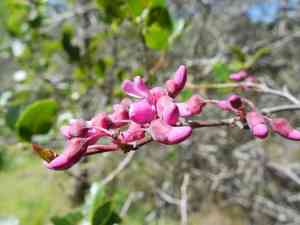
The Western redbud is recognized for its vibrant magenta blooms, which draw in pollinators.
2
This plant offers superb erosion prevention in landscape architecture.
3
Western redbud requires minimal upkeep, making it perfect for eco-friendly gardening practices.
Why Should You Grow Western redbud in Your Garden?
Aesthetic Appeal
Western redbud is renowned for its striking magenta blooms that introduce vibrant color to any garden. Its flowers emerge in early spring, creating a beautiful scene that attracts bees, butterflies, and hummingbirds, thereby boosting your garden's biodiversity.
Versatility in Landscaping
Beyond its beauty, Western redbud offers great flexibility in landscape design. It can serve as a focal point, be incorporated into hedges, or even grown in large pots. Its adaptability makes it suitable for both small plots and extensive grounds.
How Does Western redbud Benefit the Environment?
Erosion Control
A key environmental advantage of Western redbud is its capacity to prevent soil erosion. When planted on sloped areas or places prone to erosion, its strong root system helps stabilize the earth, preventing runoff and promoting soil preservation.
Supporting Wildlife
The plant's blossoms and seeds offer a vital food source for various pollinators and birds. By including Western redbud in your garden, you can help sustain local wildlife populations. This ecological benefit adds further appeal for environmentally-aware gardeners.
What Makes Western redbud Low-Maintenance?
Drought Tolerance
Western redbud is well-suited for areas experiencing dry conditions. Once established, it requires minimal irrigation, making it an excellent choice for xeriscapingâa landscaping approach that reduces or eliminates the need for watering.
Pest and Disease Resistance
Another benefit of Western redbud is its natural resilience to common pests and diseases. This low-upkeep characteristic lessens the need for chemical treatments, fostering a healthier and more sustainable garden environment.
How to Properly Care for Western redbud?
Planting Tips
When planting Western redbud, select a spot with well-draining soil and full sun exposure for optimal growth. Dig a hole twice the size of the root ball and ensure the plant is placed at the same depth it was in its container. Water thoroughly after planting to help roots establish.
Pruning and Maintenance
Prune Western redbud in late winter or early spring to shape the plant and remove any dead or diseased branches. This practice will encourage robust new growth and more abundant flowering. Additionally, apply a layer of mulch around the base to retain moisture and regulate soil temperature.
Can Western redbud Be Grown in Urban Settings?
Adaptability to Urban Environments
Western redbud adapts well to urban settings, making it a popular choice for city gardens and green spaces. Its moderate size allows it to fit comfortably in restricted areas, while its hardiness helps it thrive amidst urban challenges like pollution and soil compaction.
Aesthetic Contribution to Cityscapes
In urban environments, Western redbud not only adds greenery but also provides visual interest with its seasonal color changes. The plant's flowers and foliage can soften hardscapes and offer a natural contrast to urban architecture.
What Are the Economic Benefits of Growing Western redbud?
Reduced Maintenance Costs
Due to its low-maintenance nature, cultivating Western redbud can lead to decreased gardening expenses. The plant's drought tolerance and pest resistance minimize the need for frequent watering, fertilization, and pest control, resulting in significant long-term savings.
Increased Property Value
A well-landscaped garden featuring Western redbud can enhance the curb appeal and overall worth of a property. Potential buyers often seek attractive and easy-to-maintain gardens, making Western redbud a smart investment for homeowners aiming to boost their property's market value.



