How to Overwinter Western redbud
1
Western redbuds are resilient to frost and can endure cold winters, yet they require appropriate attention to flourish.
2
Applying mulch aids in preserving soil moisture and shields the tree's root system from freezing conditions.
3
Consistent irrigation, even in winter, is vital to avert dehydration, though excessive watering must be prevented.
Understanding Western redbud's Frost Hardiness
Understanding Western redbud's Frost Hardiness
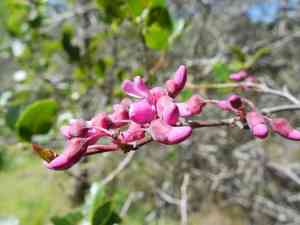
The Western redbud (Cercis occidentalis) is a resilient and cold-tolerant tree, indigenous to the western United States. Renowned for its vibrant spring blossoms and heart-shaped foliage, this tree can endure low temperatures, making it a favored option for many gardeners. Nevertheless, despite its hardiness, the Western redbud still requires careful preparation and upkeep during the colder months to ensure its health and vigor. Appropriate overwintering practices can help safeguard your tree from potential frost harm and prepare it for a robust start in the spring.
Preparing Western redbud for Winter
Inspecting the Tree
Start by thoroughly examining your Western redbud tree for any indications of disease, pests, or damage. Look for discolored leaves, compromised branches, or any unusual growths. Addressing these problems before winter arrives can prevent further complications during the cold season. Remove any diseased or damaged sections to help the tree conserve energy and focus on healthy development.
Pruning and Trimming
Pruning is a vital step in getting your Western redbud ready for winter. Remove any dead or weak branches that could become dangerous under the weight of snow or ice. Trimming also promotes better air circulation, reducing the risk of fungal infections. Be sure to prune in late fall when the tree is dormant to avoid stimulating new growth that could be harmed by frost.
Mulching the Base
Mulching is crucial for protecting the base of your Western redbud tree. Apply a 5 to 10 centimeter (2 to 4 inch) layer of organic mulch around the tree's base, keeping it away from the trunk. Mulch helps maintain soil moisture, regulate temperature, and insulate the roots against extreme cold. This simple measure can significantly impact your tree's winter survival.
Watering Western redbud During Winter
Frequency and Quantity of Water
Even in winter, your Western redbud requires consistent watering to prevent dehydration. Water the tree deeply every few weeks, depending on the weather and soil conditions. Aim for 20 to 30 liters (5 to 7 gallons) per watering session. Be careful not to overwater, as excessive moisture can lead to root rot.
Best Practices for Winter Watering
For effective winter watering, do it on mild, sunny days when the temperature is above freezing. This ensures that the water can penetrate the soil and reach the roots without freezing on the surface. Avoid watering in the evening or when frost is anticipated, as this can lead to ice formation around the tree's base.
Monitoring and Protecting Western redbud Through Winter
Checking for Frost Damage
Throughout the winter, regularly inspect your Western redbud for any signs of frost damage, such as blackened leaves or brittle branches. Early detection allows you to address the issue promptly, either by removing the damaged parts or by providing additional protection.
Using Protective Covers
In areas with harsh winters, consider using protective covers to shield your Western redbud from severe weather. Burlap wraps, frost blankets, or even simple bed sheets can provide an extra layer of insulation. Ensure the covers are securely fastened and allow for some airflow to prevent mold and mildew buildup.
Post-Winter Care for Western redbud
Assessing Winter Impact
Once winter concludes, carefully evaluate your Western redbud tree for any damage sustained during the cold months. Pay close attention to the branches, trunk, and roots. Look for any broken or weakened parts that need to be pruned away.
Reviving Your Tree
Help your Western redbud recover by providing it with a balanced, slow-release fertilizer in early spring. Ensure it receives adequate water as it resumes active growth. Mulch the base again to retain moisture and suppress weeds. With proper care, your tree will flourish and reward you with its beautiful blooms.



