How to Prune Western redbud?
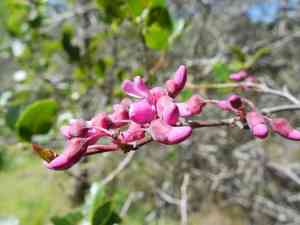
A lively, leaf-shedding shrub, western redbud showcases magenta blossoms prior to developing blue-green leaves and reddish seed pods. Trim western redbud following its blooming period in late spring or early summer to sculpt and control its dimensions, and eliminate any deceased or compromised limbs. Reducing the density of older stalks fosters fresh development and enhances the plant's well-being. Strategic pruning at the appropriate moment prevents the removal of the subsequent year's flower buds, which are crucial for the species' blooming spectacle.
What Are the Benefits of Pruning Western Redbud?
What Are the Benefits of Pruning Western Redbud?
Trimming western redbud promotes abundant flowering and aids in preventing pests and diseases by eliminating dead or infected wood, thereby maintaining a healthy and visually appealing plant.
What Is the Best Time for Pruning Western Redbud?
What Is the Best Time for Pruning Western Redbud?
In late spring, western redbud has typically concluded its blooming period, allowing for pruning without the risk of removing the current year's blossoms. Pruning in early summer helps ensure the plant has ample time to recover and produce new growth before entering dormancy in autumn and winter. This timing also enables gardeners to shape the plant and manage its size after the spring growth surge, without hindering the subsequent year's growth and floral display. Furthermore, pruning during this interval helps deter diseases and pests, which are less active compared to wetter seasons.
What Tools Do I Need to Prune Western Redbud?
Hand Pruners
For cutting small branches, typically under 1/2 inch in diameter, on western redbud.
Lopping Shears
For larger branches, ranging from 1/2 inch to 1 1/2 inches thick, that hand pruners cannot manage.
Pruning Saw
For branches exceeding 1 1/2 inches in diameter, providing a cleaner cut that encourages better healing for western redbud.
Hedge Shears
Useful for shaping western redbud by trimming small twigs and maintaining a desired form.
Pole Pruner
Allows for cutting higher branches without needing a ladder, enhancing safety when pruning western redbud.
How to Prune Western Redbud
Step1: Timing for Pruning
Wait until late winter or early spring, as western redbud tends to bloom and develop new growth during these seasons. Pruning at this time helps avoid cutting off flower buds and allows for healing before growth commences.
Step2: Branch Assessment
Examine western redbud for dead wood, diseased branches, and weak stems. Identify the branches that need removal. Use this evaluation to plan your cuts before making them to prevent over-pruning.
Step3: Tool Sterilization
Sanitize your pruning tools with a solution of equal parts water and rubbing alcohol to prevent the spread of disease.
Step4: Removing Dead Wood
Begin by removing any dead wood. Cut the branches at their base close to the trunk, making clean cuts without leaving any stubs. Utilize sharp, appropriately-sized pruning tools to avoid tearing bark or damaging healthy tissue.
Step5: Pruning Diseased Branches
Identify and remove diseased branches. Prune them back to healthy wood, well below the affected areas. Ensure cuts are made at a downward angle to prevent water accumulation that could lead to further disease.
Step6: Trimming Weak Stems
For weak stems, prune them back to their point of origin at a healthy bud, lateral branch, or to the main trunk. This encourages growth in stronger branches and maintains the plant's natural shape.
Step7: Post-Pruning Sterilization
After pruning diseased material, re-sterilize your tools immediately to prevent contaminating healthy parts of western redbud.
Step8: Thinning for Air and Light
Thin crowded areas to improve air circulation and light penetration. This step is crucial in reducing the likelihood of future disease.
Step9: Natural Shape Maintenance
Shape western redbud by selectively pruning to maintain its natural form. Avoid excessive cutting back or 'topping', as this can stimulate suckering and lead to an undesirable growth habit.
Step10: Debris Cleanup
Clean up all pruning debris to reduce hiding places for pests and diseases. Dispose of diseased material properly, away from the pruning site.
Step11: Post-Pruning Care
Water western redbud if the soil is dry and provide support to any remaining branches if necessary to aid recovery.
Step12: Growth Monitoring
Monitor western redbud over the following weeks, watching for signs of new growth, which indicate the pruning was successful, and watch out for any potential signs of disease or pests.
Post-Pruning Care for Western Redbud
Post-Pruning Care for Western Redbud
Immediately after trimming western redbud, ensure clean cuts to prevent disease. Place western redbud in partial shade to avoid stress from excessive sunlight. Maintain moderate humidity and avoid temperature extremes. Apply a balanced, slow-release fertilizer to support new growth, but avoid over-fertilization which can stress western redbud. Regularly inspect the pruning sites for signs of infection or pest activity. Any abnormalities should prompt a swift response, such as applying an appropriate fungicide or insecticide, following recommended guidelines for western redbud.
Common Pruning Mistakes with Western Redbud
Excessive Pruning Causes Stress and Less Flowering
A frequent error when pruning western redbud is over-pruning, which involves removing too much of the plant at once. This can stress the plant, lead to a weakened structure, and potentially decrease flowering.
Dull Tools Lead to Harmful Jagged Cuts
Another mistake is using dull or unclean pruning tools, which can cause jagged cuts that harm western redbud. Such cuts may leave the plant vulnerable to pests and diseases.
Pruning Without a Plan Results in Misshapen Growth
Pruning without a clear purpose or plan can result in a misshapen appearance and may impair the natural growth patterns of western redbud.
Failure to Remove Dead or Diseased Wood Inhibits Growth
Neglecting to remove dead, diseased, or damaged wood, which can inhibit the growth of western redbud and potentially lead to further disease spread.
Incorrect Cuts Near Main Stem or Buds Risk Disease
Making cuts too close to the main stem or too far from the bud can either damage the main stem or leave a stub that can invite disease and pests.
Common Pruning Tips for Western Redbud
Sharp, Clean Cuts Promote Healing and Prevent Disease
Use sharp, clean pruning shears to make clean cuts, which helps promote swift healing for western redbud and reduces the risk of disease.
Remove Dead Branches for Health and Proper Appearance
Focus on removing any dead, diseased, or damaged branches to maintain the health and appearance of western redbud, ensuring cuts are made just above lateral buds or branches.
Promote New Growth with Proper Node Cutting
When shortening branches, cut just above a node where a leaf bud or branch is forming, at a slight angle away from the bud, to encourage healthy new growth.
Thin Crowded Areas for Better Air and Light, Enhancing Flowering
Thin out crowded areas to improve air circulation and light penetration, which can reduce the likelihood of disease and encourage more prolific flowering in western redbud.
Preserve Natural Form by Pruning Selectively
Maintain the natural form of western redbud by pruning selectively and not shearing the plant into unnatural shapes, which can stress the plant and detract from its aesthetic.
Dispose of Pruned Material to Prevent Disease Spread
After pruning western redbud, properly dispose of pruned material, especially if it contains diseased or dead plant matter, to prevent any disease spread in your garden.
Balance Pruning with Overall Plant Care for Health
For the overall health and longevity of western redbud, it's essential to balance pruning with regular plant care, including proper watering, fertilizing, and situating the plant in its preferred growing conditions.



