How Much Sunlight Do Western redbud Need?
1
Western redbud flourishes optimally with a minimum of 6 hours of direct solar exposure.
2
While this species can endure some shade, it achieves its best growth in full sunlight.
3
Employing shade covers can assist in mitigating intense sun exposure during exceptionally warm periods.
What Amount of Sunlight Does Western Redbud Require?
Optimal light conditions
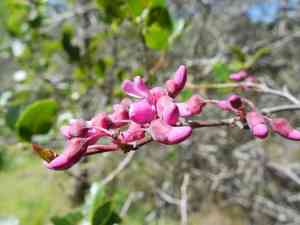
The Western redbud thrives best when it gets full sun. This means the plant needs at least six hours of direct sunlight daily for ideal development. Full sun conditions promote the best flowering, offering vibrant displays of pink blooms characteristic of this species. Ideally, planting Western redbud where it receives morning sun and some afternoon shade will encourage healthy growth and prevent sunburn in hotter regions.
Minimum and maximum light tolerance
Western redbud is quite adaptable and can handle various light conditions. While it flourishes in full sun, it can also tolerate partial sun, which includes 3-6 hours of sunlight per day. However, if the plant gets too little sunlight, it might result in stunted growth, fewer flowers, and a lanky appearance. Conversely, too much intense afternoon sun, especially in very hot climates, can cause leaf scorch. Finding the right balance is crucial for your Western redbud to thrive.
Optimal Locations for Planting Western Redbud
Choosing the ideal spot in your garden
Selecting the perfect spot in your garden for the Western redbud is vital. Look for an area that receives ample morning sunlight but is protected from the harshest afternoon rays. Avoid placing it near large structures or under dense tree canopies that could block essential sunlight. Consider spacingâas these plants can spread their branches widely, ensure there's enough room to accommodate their mature size without shading out other plants.
Considerations for diverse climates
The climate where you plant your Western redbud significantly affects its sunlight requirements. In cooler climates, full sun exposure throughout the day is perfect. However, in hotter, more arid climates, it's beneficial to provide some afternoon shade to prevent overheating and leaf scorch. Regions experiencing high heat intensities might also consider positioning this plant near a water source or using mulching techniques to retain soil moisture and reduce heat stress.
Modifying Sunlight for Western Redbud
Utilizing shade cloths and screens
If your Western redbud is exposed to excessive sunlight, particularly during peak summer months, using shade cloths or garden screens is an effective way to provide relief. These tools can help filter sunlight, reducing its intensity and preventing leaf sunburn. Choose a shade cloth with appropriate sun-blocking levels (e.g., 50% shade cloth) depending on your Western redbud's needs and local climate conditions.
Pruning and landscaping advice
Proper pruning can also help manage sunlight exposure for your Western redbud. Regularly thinning the canopy allows light to penetrate evenly through the branches, promoting healthy growth. Landscaping with companion plants that offer light shade without blocking too much sun is another practical approach. Ensure that any surrounding foliage doesn't compete excessively with your Western redbud for sunlight, water, or nutrients.
Common Sunlight-Related Issues
Indicators of excessive sunlight
Too much sunlight can lead to several problems for your Western redbud. Look for signs such as yellowing or browning leaves, especially at the tips, or scorched, crispy edges. Overexposure to intense sunlight might also cause wilting or general leaf drop, indicating the plant is stressed and needs more shade or water.
Indicators of insufficient sunlight
Inadequate sunlight can severely impact the growth of Western redbud. Signs include poor flowering, leggy growth, and dull, lackluster foliage. The plant may stretch towards light sources, appearing thinner and elongated rather than full and bushy. If you notice these symptoms, consider moving the plant to a sunnier location or trimming back obstructions.
Solutions to correct light issues
If you identify problems with sunlight exposure, there are several corrective actions you can take. For excessive sunlight, increasing mulch around the base, providing temporary shade, or relocating to a spot with partial afternoon shade can help. If the problem is insufficient sunlight, prune surrounding vegetation, clear any obstructive debris, or move the plant to a more exposed area. Consistent monitoring and adjustments will ensure your Western redbud remains healthy throughout its growth cycle.



