The Hidden Danger in Your Home? Unmasking the Toxicity of the Red elderberry Plant.
1
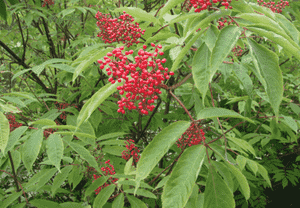
Every component of red elderberry is poisonous because of its glycoside content.
2
In serious instances, ingesting red elderberry parts may lead to a comatose state.
3
Canines and felines alike face a poisoning hazard from red elderberry.
Is Red elderberry toxic to humans?
Similar to other elderberry species, red elderberry is considered poisonous and can cause mild to moderate reactions in individuals who consume it. Every part of the plant is toxic due to its glycoside content, with seeds and berries being the primary concern. Ingesting any portion of this plant can lead to symptoms like vomiting, diarrhea, and nausea. In severe instances, a coma could occur. Some gatherers might consume the raw fruits, mistaking them for an edible type, or fail to remove seeds and adequately prepare the berries before consumption.
Is Red elderberry toxic to cat?
Red elderberry is a poisonous plant that presents a risk of toxicity to felines if consumed. Cats can experience poisoning by inadvertently eating parts of the plant, especially the seeds. Once poisoned, a cat might show various general signs of physical distress or sickness. Although the specific toxic substances causing the poisoning are not detailed, it's vital for cat owners to understand the potential danger of red elderberry. If a cat displays any symptoms of illness after contact with red elderberry, immediate veterinary attention is essential for appropriate treatment and recuperation.
Is Red elderberry toxic to dog?
Red elderberry is categorized as a poisonous plant for canines. Dogs might inadvertently consume parts of this plant, particularly the seeds, which are known to be toxic. If a dog ingests any portion of red elderberry, they could display symptoms such as vomiting, diarrhea, stomach discomfort, and lethargy. It is crucial for dog owners to supervise their pets closely and restrict access to red elderberry to prevent accidental consumption. Should a dog consume this plant, seeking immediate veterinary assistance is vital for the animal's health and welfare.



