Boost Growth: How and When to Repot Your Red elderberry Plant
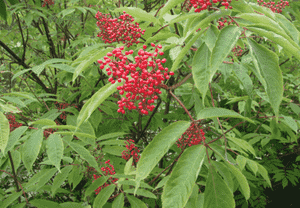
1
Red elderberry flourishes most when transplanted every two to three years in early spring or late winter.
2
The perfect soil blend for Red elderberry consists of well-draining, loamy earth enriched with organic material.
3
Handle the root system carefully during repotting to prevent shocking your Red elderberry.
When to Rehouse Your Red Elderberry
Indicators your Red elderberry requires a larger container
Identifying when your Red elderberry needs rehousing is crucial for its continued health. Look for roots emerging from drainage openings, slowed development despite proper care, or if the plant becomes top-heavy. These are clear indications it has outgrown its current vessel.
Optimal period and frequency for transplanting Red elderberry
The most suitable time to transplant your Red elderberry is during early spring or late winter. Rehousing every 2-3 years will maintain your plant's vitality by supplying it with new nutrients and space to expand. Always select a period when the plant is dormant or beginning its active growth phase to minimize stress.
Choosing the Ideal Container and Substrate for Red Elderberry
Selecting the appropriate size and material for the new container
When choosing a new container for your Red elderberry, select one that is 5-10 centimeters (2-4 inches) wider in diameter than the current one. Ensure the container has sufficient drainage holes to prevent water accumulation. Materials like terracotta or ceramic pots are effective as they provide good root aeration.
Best soil mixtures for robust development
A well-draining, loamy substrate is perfect for Red elderberry. Incorporate organic matter such as compost or aged manure to supply essential nutrients. A good soil blend ensures roots receive the necessary air and moisture without the risk of becoming waterlogged.
A Comprehensive Guide to Repotting Red Elderberry
Preparing your Red elderberry for relocation
Begin by irrigating the plant the day before you intend to repot. This helps soften the soil, making it easier to extract the plant from its current container. Have all your implements ready â a new pot, fresh soil, gloves, a trowel, and water.
Detailed steps for safe and effective repotting
Gently remove the Red elderberry from its pot by tilting and tapping the base. Loosen the roots if they are tightly bound. Place a layer of fresh soil in the new pot, then position the plant, filling the edges with more soil. Lightly compress the soil to remove air pockets and thoroughly water the plant.
Post-repotting care recommendations
After repotting, place your Red elderberry in a shaded spot for a few days to aid its adjustment. Gradually expose it to more light. Keep the soil moist but not saturated and refrain from fertilizing for a month to allow the roots to establish in the new soil.



