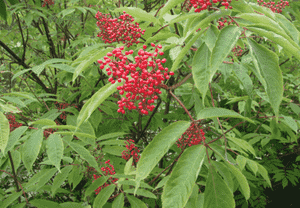
Red elderberry (Sambucus racemosa)
Also known as: Red-berried elder, Dwarfelder
Lantana (Lantana camara) is an excellent option for natural landscape design. Its colorful blooms attract butterflies and hummingbirds, while its berries appeal to various bird species. However, it's important to handle it with care, as the plant is toxic to humans and pets if ingested.
Attributes of Red elderberry
Images of Red elderberry
Quickly Identify Red elderberry
Scientific Classification of Red elderberry
Planting and Growing of Red elderberry
 How to Water Red elderberry?
 What Are the Sunlight Requirements for Red elderberry?
 What Is the Ideal Temperature Range for Red elderberry?
 What Soil is Best for Red elderberry?
 How to Fertilize Red elderberry?
 How to Prune Red elderberry?
 How to Propagate Red elderberry plant?
 How to Repot Red elderberry plant?
Toxicity of Red elderberry
Is Red elderberry toxic to humans?
In conjunction with other elderberry species, red elderberry is known to be a toxic plant that can trigger mild to moderate adverse reactions in individuals who consume it. Every part of the plant contains toxic glycosides, with the seeds and berries posing the greatest risk. Ingesting any part of this plant may lead to symptoms such as vomiting, diarrhea, and nausea. In severe instances, some individuals could even lapse into a coma. Foragers sometimes mistakenly consume the fruits raw, confusing them with a more palatable variety, or they may neglect to remove the seeds and improperly prepare the berries before consumption.
Is Red elderberry toxic to cat?
Red elderberry is a hazardous plant species that presents a poisoning threat to cats when ingested. Cats may suffer from toxicity if they accidentally consume certain parts of the plant, especially the seeds. Following ingestion, a cat may exhibit a range of vague symptoms indicative of physical distress or illness. Although the exact toxic substances responsible for the poisoning are not identified, it is vital for cat owners to remain aware of the potential hazards associated with red elderberry. If a cat shows any signs of illness following exposure to red elderberry, urgent veterinary assistance should be sought to guarantee appropriate treatment and recovery.
Is Red elderberry toxic to dog?
Red elderberry is recognized as a toxic species for dogs. Canines may inadvertently consume various parts of this plant, especially the seeds, which are highly poisonous. Should a dog ingest any portion of red elderberry, they might display symptoms like vomiting, diarrhea, abdominal discomfort, and general weakness. It is essential for dog owners to keep a vigilant eye on their pets and ensure they do not have access to red elderberry to prevent any accidental consumption. If a dog is suspected of ingesting this plant, it is vital to seek prompt veterinary assistance to safeguard the health and well-being of the animal.



